Saudi Arabia’s Ammonia Expansion Gains Momentum With KBR Purifier Technology
Saudi Arabia is taking another major step in expanding its fertilizer production base, with KBR Purifier technology selected for a new 3,500 metric tons per day ammonia plant in Jubail. The technology choice gives SABIC Agri-Nutrients a proven process platform for a large single-train facility while supporting the company’s broader plans to increase nitrogen fertilizer output.
For chemical traders, procurement managers and fertilizer buyers, the project represents more than a new production asset. A large addition to ammonia capacity can influence regional availability, downstream urea production and future sourcing opportunities across international fertilizer markets.
Jubail Becomes the Focus of a Major Ammonia Project
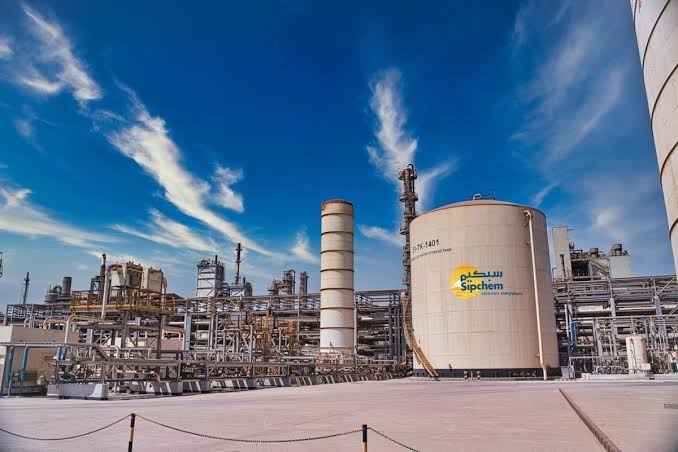
The new facility will form part of SABIC Agri-Nutrients’ wider expansion in Jubail. KBR will provide its Purifier technology together with technology licensing, basic engineering design, proprietary equipment and catalyst supply, while Samsung E&A will participate as the EPC contractor.
At 3,500 MTPD, the plant represents a substantial single-train ammonia operation. Its planned annual output stands at approximately 1.2 million metric tons, creating significant additional feedstock potential for downstream fertilizer manufacturing.
The scale matters for procurement teams because ammonia production capacity directly affects the availability of nitrogen feedstock. Greater integrated capacity can provide producers with additional flexibility when managing fertilizer production schedules and supply commitments.
Why KBR Purifier Technology Matters
Ammonia technology determines much of the operating profile of a new plant, including energy use, equipment configuration and production reliability. KBR’s Purifier process has been deployed across large-scale ammonia facilities and forms an established part of the company’s technology portfolio.
The process also supports the industry's continuing focus on improving efficiency and reducing the carbon intensity associated with ammonia production. KBR states that its Purifier configuration can deliver lower carbon intensity per ton of ammonia compared with conventional ammonia process designs.
For SABIC Agri-Nutrients, this technology selection therefore aligns production scale with the need for competitive and more resource-efficient fertilizer manufacturing.
A Larger Fertilizer Platform for SABIC Agri-Nutrients
The ammonia project connects directly with SABIC Agri-Nutrients’ plans to expand urea production. The company's planned industrial complex includes the new ammonia plant alongside two urea plants, with combined urea capacity expected to increase from 4.8 million to 7.4 million metric tons per year.
The ammonia facility will provide an important upstream component for this expansion. According to SABIC, the wider project targets annual production of 1.2 million metric tons of ammonia and 2.6 million metric tons of urea from the two urea plants.
For fertilizer buyers, this integrated approach is significant because ammonia and urea markets remain closely connected. Investment in ammonia production can strengthen the foundation for downstream nitrogen fertilizer output rather than treating each product stream as an isolated business.
What the Project Means for Ammonia Supply
A facility producing 3,500 metric tons of ammonia each day can make a meaningful contribution to regional nitrogen supply. The planned annual output of 1.2 million metric tons gives the project a scale capable of supporting both domestic fertilizer manufacturing and the broader commercial position of Saudi Arabia in global fertilizer markets.
For traders, the key consideration will be how new capacity affects future supply flows. Increased production can strengthen the availability of ammonia-linked products while creating additional opportunities for companies involved in storage, transportation, distribution and downstream fertilizer trading.
Several areas deserve close attention:
Ammonia availability: Higher domestic production capacity can increase the volume of ammonia available within Saudi Arabia's industrial ecosystem.
Urea production: Additional ammonia capacity supports the expansion of downstream urea manufacturing planned by SABIC Agri-Nutrients.
Regional trade: Greater production capacity can strengthen Saudi Arabia's position in international fertilizer supply chains.
Procurement planning: Buyers can monitor the project's development as part of longer-term nitrogen fertilizer sourcing strategies.
Why Energy Efficiency Is Important for Buyers
Ammonia production requires substantial energy input, making process efficiency an important factor in the economics of fertilizer manufacturing. Technology choices that reduce energy requirements can therefore influence operating costs as well as the environmental profile of the resulting ammonia.
KBR describes its Purifier technology as an energy-efficient process with applications across large ammonia facilities. The company has also continued developing technologies aimed at improving energy performance and reducing emissions from ammonia production.
For procurement professionals, these considerations matter beyond environmental targets. More efficient production can contribute to competitive manufacturing economics, which can ultimately influence the cost structure of downstream fertilizer products.
Saudi Arabia’s Fertilizer Strategy Gains Scale
The Jubail investment fits into a broader development of Saudi Arabia's fertilizer and agri-nutrients industry. SABIC Agri-Nutrients already maintains a portfolio covering ammonia, urea and other nitrogen-based products, while the company has identified food security, climate change and the energy transition as major challenges for the sector.
The new project adds significant production infrastructure to that platform. Its combination of ammonia and urea capacity also creates a more integrated production chain, linking feedstock availability with finished fertilizer output.
The project has a defined construction and production timeline. SABIC Agri-Nutrients announced that construction is planned to begin in the fourth quarter of 2026, with commercial production scheduled for the fourth quarter of 2030.
What Traders and Procurement Teams Should Watch
The project will develop over several years, so buyers should view it as a medium to long-term supply development rather than an immediate change in market availability.
Procurement teams tracking Saudi ammonia and fertilizer markets should pay particular attention to:
Project execution: Construction progress will determine how quickly the additional production capacity becomes operational.
Downstream integration: The relationship between the new ammonia plant and SABIC Agri-Nutrients' urea facilities will be important for understanding future nitrogen product flows.
Production economics: Energy efficiency and process performance can influence the competitiveness of ammonia and downstream fertilizers.
Regional availability: Additional Saudi production could affect sourcing strategies for buyers operating across the Middle East and international fertilizer markets.
Long-term contracts: Buyers with significant ammonia or nitrogen fertilizer requirements may want to evaluate how new capacity could fit into future procurement portfolios.
The Bottom Line for Fertilizer Buyers
The selection of KBR Purifier technology for SABIC Agri-Nutrients' 3,500 MTPD Jubail ammonia plant marks an important development in Saudi Arabia's fertilizer expansion. With planned ammonia output of 1.2 million metric tons annually and a wider project designed to raise urea capacity from 4.8 million to 7.4 million metric tons per year, the investment creates a significant new production platform.
For chemical traders and procurement teams, the main opportunity lies in monitoring how this additional capacity changes future ammonia and urea supply dynamics. As the project moves toward construction and eventual commercial production, its scale, technology choice and downstream integration will remain important factors for companies planning long-term fertilizer sourcing.
Ammonia Anhydrous
Found this useful?