Saudi Arabia's Jubail Hub and Red Sea Alternative Routing
When the Strait of Hormuz came under sustained threat in 2026, Saudi Arabia showed it could move enormous volumes of crude oil away from the Gulf almost overnight. Its petrochemical exports out of Jubail told a very different story. Even with functioning Red Sea ports available, the world's largest integrated petrochemical complex stayed geographically locked into Gulf shipping lanes, and that gap says a lot about how resilient chemical supply chains really are compared to crude oil.
Why Crude Oil Could Reroute and Petrochemicals Could Not
Saudi Arabia's workaround for crude was already built decades ago. The Abqaiq-Yanbu pipeline system, also known as Petroline, crosses the Arabian Peninsula and links inland oilfields directly to export terminals at Yanbu on the Red Sea, with a design capacity of up to 7 million barrels per day.
That infrastructure got a real world stress test in 2026. Loadings out of Yanbu surged from around 1.1 million barrels per day in February to more than 4 million barrels per day by March, and by June, Saudi Arabia had redirected virtually all of its crude exports to the Red Sea coast, reaching concentration levels above 98 percent.
Jubail's petrochemical complex had no equivalent system to fall back on. The pipeline network that saved Saudi crude exports was purpose built for crude oil, not for finished polymers, intermediate chemicals or fertilizers, and no comparable west coast link exists to move Jubail's product slate away from the Gulf.
Jubail's Geography Is the Core of the Problem
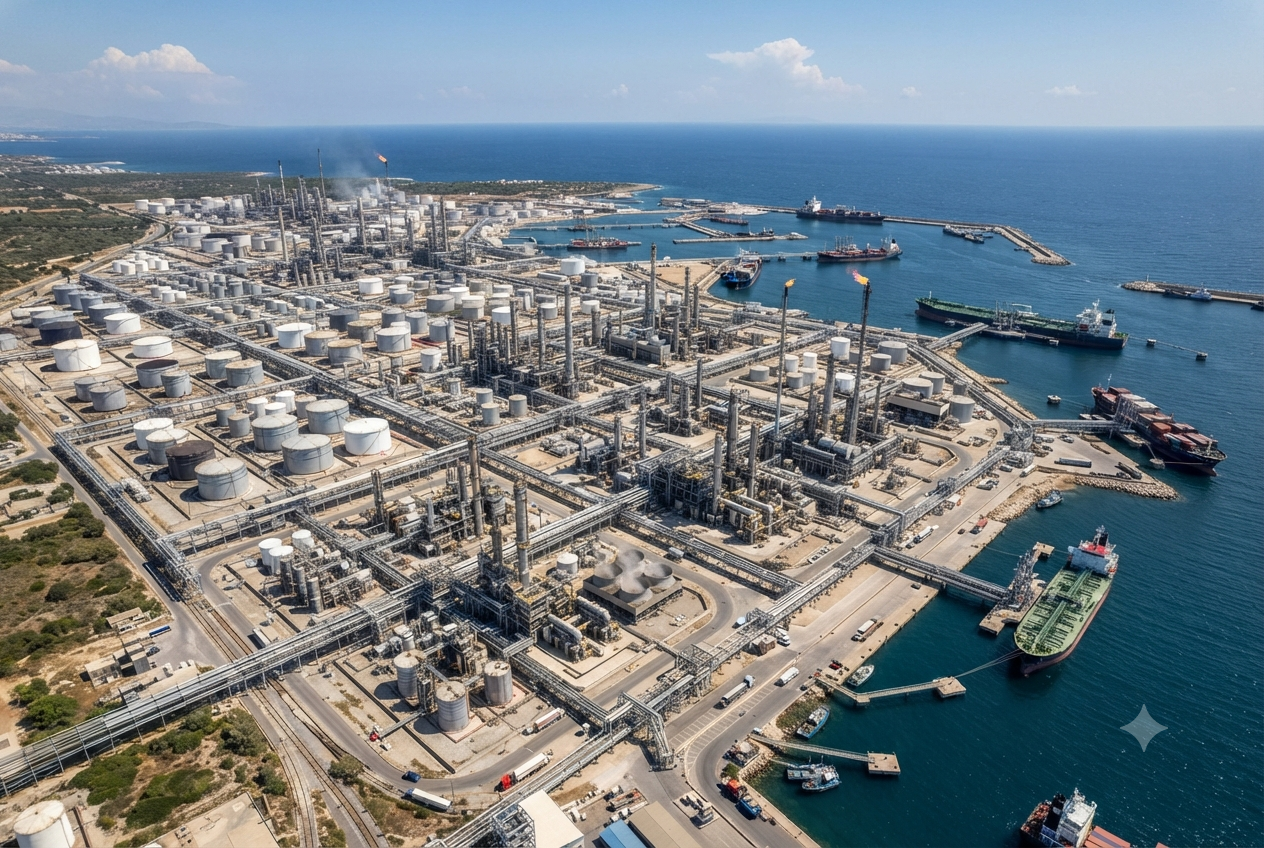
Jubail sits on the Gulf coast roughly 90 kilometers north of Dammam, and it functions as the gateway to the largest petrochemical complex in the world. King Fahd Industrial Port, the main export outlet for the complex, handles refined petroleum products, petrochemicals, fertilizers and sulfur across more than 30 berths.
That location was never designed with Red Sea access in mind. A few structural realities explain why:
No dedicated finished product pipeline to the west coast. The Abqaiq-Yanbu system moves crude oil, not polymers or specialty chemicals, so Jubail's product exports cannot simply be rerouted through the same infrastructure that rescued crude flows.
Manufacturing footprint fixed in place. SABIC and other major producers built their crackers, polymer plants and downstream units around Jubail's feedstock and utility infrastructure, which the Royal Commission for Jubail and Yanbu developed specifically for that site.
Different vessel and terminal requirements. Petrochemical and polymer cargoes typically move on chemical tankers and container vessels rather than the crude carriers that Yanbu's expanded loadings were built around, meaning capacity gains at Yanbu do not automatically translate into petrochemical handling capacity.
Direct exposure to regional conflict. During the 2026 conflict, the Jubail petrochemical complex itself sustained damage, and the SATORP refining complex there was forced offline after strikes damaged one of its processing trains, underlining that Jubail carries both a routing risk and a direct physical risk.
What Actually Moved During the Crisis
Even under real pressure, some petrochemical cargo activity out of Jubail continued, though on a much smaller scale than the crude oil diversion to Yanbu. Shipping trackers recorded a handful of product cargoes loading at Jubail during the disruption, but only smaller tankers were able to operate there, since the larger vessels used for bulk crude movements at Yanbu are not suited to the Gulf coast product terminals in the same way.
That pattern shows Jubail was not fully cut off, but it also shows the site's product exports did not benefit from anything close to the scale of relief that crude oil exports found at Yanbu. Total Gulf crude exports fell sharply during the conflict before the Yanbu diversion absorbed much of the loss, while Jubail's chemical exports had no comparable west coast release valve to lean on.
Sourcing Implications for Polymer and Chemical Buyers
For buyers of Saudi origin polymers, intermediates and fertilizers, the gap between crude oil resilience and petrochemical exposure is the detail worth carrying forward from this episode.
Do not assume oil market calm means chemical supply is calm. Strong Yanbu loading numbers reflect crude oil flexibility specifically, not the state of petrochemical or polymer exports out of Jubail, so buyers should track chemical shipment data separately from oil market headlines.
Factor in direct facility risk, not just chokepoint risk. Jubail's own exposure to strikes during active conflict adds a layer of risk beyond shipping route disruption, since the production base itself can be affected independent of how cargo eventually gets to port.
Expect slower vessel availability during disruption. With larger vessels concentrated on crude oil movements during a crisis, buyers should plan for potential delays in securing appropriately sized chemical tankers out of Gulf coast terminals.
Watch long term infrastructure plans. Broader Saudi logistics projects, including rail links tied to the national Land Bridge initiative, could eventually improve west coast access for non oil cargo, so this constraint may ease over the coming years even though no near term fix exists today.
What Buyers Should Take Away From Jubail's Gulf Lock-In
Saudi Arabia's ability to reroute crude oil to the Red Sea during 2026 created an impression that the kingdom's export system as a whole had built in resilience against a Hormuz disruption. Jubail's experience shows that impression only holds for crude oil, not for the petrochemicals, polymers and fertilizers that make up a large share of Saudi Arabia's non oil export economy.
Buyers sourcing polyethylene, polypropylene or other Jubail origin products should treat Gulf shipping risk as a live factor in their supply planning, separate from how confident global oil markets have become about Saudi Arabia's Red Sea workaround. Ready to source polyethylene from verified global suppliers? Explore competitive offers on our platform today.
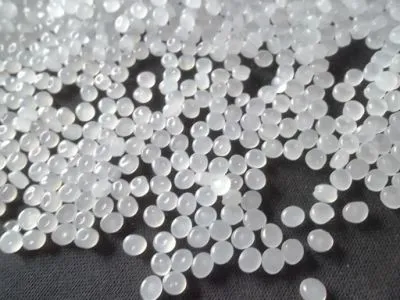
Low Density Polyethylene (LDPE)
Found this useful?