Scope 3 Reporting Pressure Accelerates Demand for Verified Low-Carbon Feedstocks
Scope 3 Reporting Pressure Accelerates Demand for Verified Low-Carbon Feedstocks
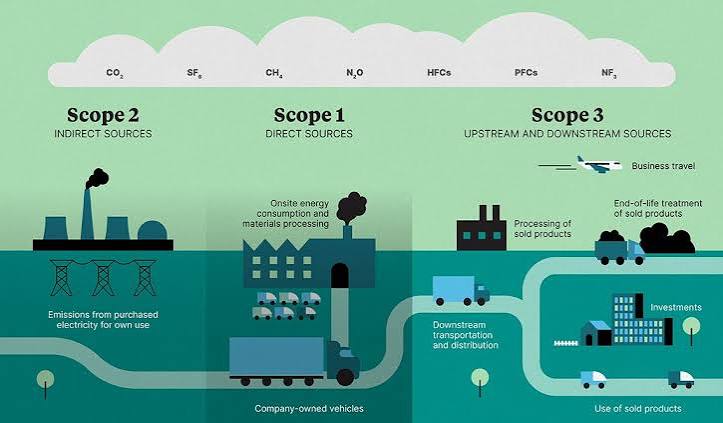
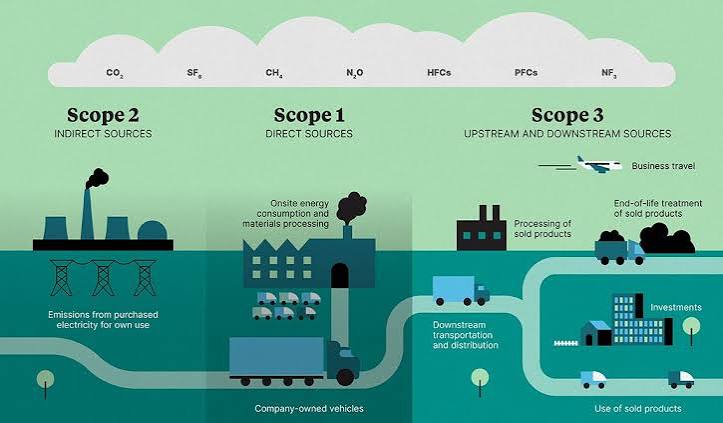
Scope 3 emissions—those generated in a company’s value chain but outside its direct operations—have moved from sustainability-report footnotes into purchasing specifications. Large downstream customers in packaging, automotive, construction, consumer goods and food are setting absolute or intensity reduction targets that explicitly include purchased goods and services. For chemical suppliers, the practical consequence is clear: low-carbon and bio-based feedstocks that once differentiated a niche offering are increasingly required to remain on approved-vendor lists and to win new or renewed contracts.
Because most of a chemical company’s climate impact often sits in raw-material production and upstream energy, customers are asking for product-level carbon footprints, mass-balance or segregated low-carbon attributes, and third-party verification. Simple corporate-level net-zero pledges are no longer sufficient. Buyers want auditable data tied to the specific grades they purchase, and they are building those requirements into RFQs, scorecards and long-term agreements.
From Optional Attribute to Commercial Gate
The shift is visible across multiple value chains. Polymer converters seek resins with certified renewable or recycled content and lower cradle-to-gate emissions. Fertilizer and industrial ammonia customers evaluate blue or green ammonia options against conventional supply. Specialty ingredient buyers in personal care and food request fermentation-derived or bio-based alternatives with documented carbon advantages. In each case, the absence of credible low-carbon options does not always eliminate a supplier overnight, but it weakens competitive position and can exclude a producer from strategic or high-visibility programs.
Verification standards and chain-of-custody systems—whether ISCC, RSB, product-specific EPDs or customer-mandated protocols—are becoming table stakes. Suppliers that can only offer estimated or unaudited figures face growing friction. Those that invest in primary data, supplier engagement upstream, and recognized certification find themselves better positioned to defend volume and, in some segments, to capture modest premiums or preferential allocation.
mplications for Feedstock Strategy and Procurement
For chemical producers, the pressure cascades upstream. Securing reliable volumes of bio-based, recycled or carbon-captured feedstocks, negotiating attribution under mass-balance rules, and aligning internal accounting with customer reporting frameworks all become strategic activities rather than sustainability side-projects. Capital allocation increasingly weighs the ability of new or existing assets to deliver verifiable low-carbon output.
For buyers of chemicals and ingredients, the same dynamic creates both risk and opportunity. Risk arises when preferred suppliers cannot meet escalating Scope 3 data or attribute requirements; opportunity arises when alternative origins or newer low-carbon grades can be qualified ahead of competitors. Procurement teams are therefore expanding technical collaboration with suppliers, revising specification templates to include carbon metrics, and building dual pathways for conventional and verified low-carbon material.
Scope 3 reporting pressure will not transform the entire chemical industry overnight. It is, however, steadily raising the commercial value of verified low-carbon and bio-based feedstocks. Suppliers and buyers who treat these attributes as core to contract readiness, rather than optional marketing claims, will navigate the next phase of customer requirements with fewer disruptions and stronger competitive positioning.

Hydroboracite - Argentina
Found this useful?