Semiconductor-Grade Chemicals Fuel Clean Energy Supply Chain Surge
Why Ultra‑Pure Materials Are Now Critical
The semiconductor industry has long demanded materials that exceed everyday purity standards. With the United States bolstering domestic chip manufacturing and artificial intelligence systems scaling globally, the need for ultra‑high‑purity chemicals, specialty gases, and solvents has surged. These materials are no longer optional; they are strategic enablers for both clean‑energy technologies and next‑generation electronics.
Driving Forces Behind the Demand Surge
US Semiconductor Investment Push
The federal government’s investment packages—such as the CHIPS Act—are accelerating new plant construction. Each new fabrication facility requires a steady supply of materials that meet standards of 99.9999% purity or higher. As production ramps up, the cumulative demand for these chemicals grows exponentially.
AI Infrastructure Expansion
Artificial intelligence workloads rely on high‑performance processors that, in turn, rely on precisely engineered silicon wafers. The AI boom magnifies fabrication throughput, driving up the consumption of specialty gases (e.g., silane, phosphine) and solvents used in etching and cleaning steps.
Clean Energy Technologies
Solar photovoltaics, battery cathodes, and hydrogen fuel cells all require semiconductor‑grade materials for sensors, power electronics, and emerging photovoltaic architectures. The clean‑energy sector’s rapid deployment creates a second, parallel demand stream for ultra‑pure chemicals.
Key Material Categories
Ultra‑High‑Purity Chemicals
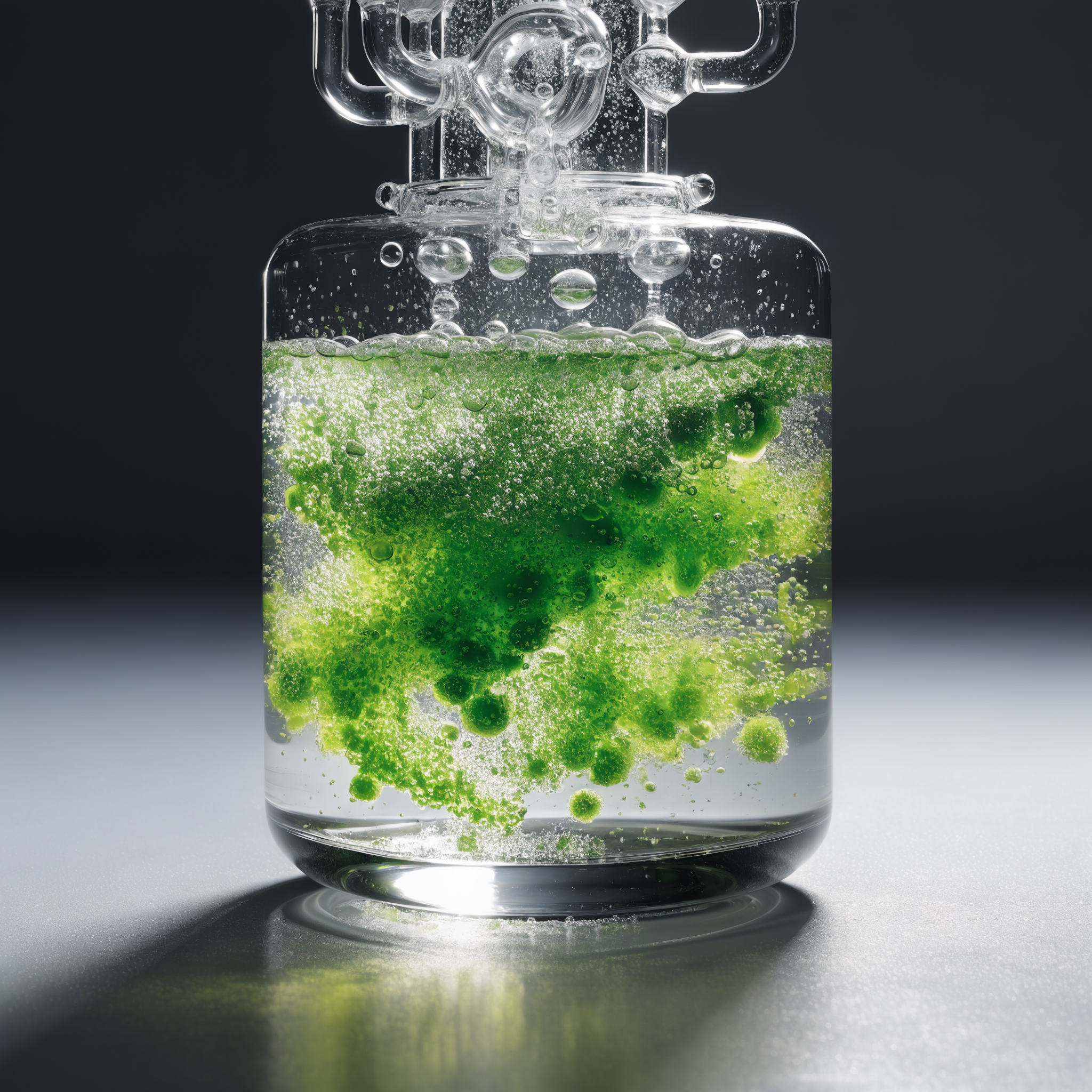
These include organics and inorganics that serve as dopants, etchants, or passivation agents. Their purity levels—often exceeding 99.9999%—are essential to prevent defect formation in silicon lattices. Even trace contaminants can lead to yield losses and increased manufacturing costs.
Specialty Gases
Silane (SiH4) – critical for chemical vapor deposition of silicon layers.
Phosphine (PH3) – used to introduce phosphorus dopants.
Trifluoroethylene (C2F4) – for plasma etching processes.
Solvents nui
High‑purity solvents such as acetone, isopropanol, and deionized water are indispensable for cleaning wafers between processing stepsнести. Their purity must be controlled to avoid introducing surface contaminants that could degrade device performance.
Supply Chain Dynamics and Challenges
While the demand is clear, the supply side faces several constraints:
Capacity Constraints – Existing production facilities are at or near full load, making it difficult to scale quickly.
Geopolitical Risks – Many high‑purity chemicals are produced in regions with trade tensions, increasing supply chain volatility.
Regulatory Hurdles – Stringent environmental and safety regulations can slow new plant approvals.
To mitigate these risks, industry players are investing in domestic production capabilities, diversifying suppliers, and exploring new synthesis routes that reduce reliance on imported raw materials.
Strategic Implications for Stakeholders
For chip manufacturers, securing a reliable supply of ultra‑pure chemicals translates into higher yields and lower defect rates. Clean‑energy firms benefit from reduced component costs and improved performance of power electronics. Governments, meanwhile, see an opportunity to strengthen national security by fostering a resilient supply chain for critical materials.
Conclusion
The convergence of semiconductor expansion, AI growth, and clean‑energy deployment has turned ultra‑high‑purity chemicals, specialty gases, and solvents into strategic assets. Companies that prioritize early investments in domestic production, stringent quality controls, and supply‑chain diversification will position themselves at the forefront of this transformative era.
Isopropyl Alcohol (IPA) (99.7%) - China
Found this useful?