
Semiconductor Selloff Ripples Into Specialty Gas and Chemical Demand Forecasts
The semiconductor sector index plunged nearly 10% during a single week and 18% for the month as investors retreated from artificial intelligence and data center stocks that had driven previous gains. For specialty gas suppliers and electronic chemical manufacturers, this equity market signal carries direct implications for ultra-pure material demand, capacity utilization and procurement contract negotiations.
When semiconductor capital equipment orders soften and fab utilization forecasts decline, the consumption of silanes, fluorine compounds, photoresists, etchants and CMP slurries adjusts within weeks. Procurement teams managing these materials must interpret equity market signals alongside direct customer forecasts to position inventory, capacity and contracts appropriately.
How Equity Selloffs Connect to Chemical Demand
Stock market movements in semiconductor indices reflect investor expectations about future chip production, capital spending and utilization rates. These expectations translate into real business decisions that affect chemical consumption.
The transmission mechanism works through several channels:
Fab capital spending plans get deferred or reduced when equity valuations fall and financing costs rise
Utilization rate forecasts decline as chipmakers adjust production to expected demand
Inventory corrections cascade through supply chains as all participants reduce working capital exposure
Procurement budget approvals slow when corporate finance teams respond to market uncertainty
A 10% weekly decline may prove temporary volatility. An 18% monthly decline accompanied by broad sector rotation suggests deeper reassessment of growth expectations.
For specialty chemical suppliers, distinguishing between noise and signal determines whether to adjust production schedules, inventory levels and customer negotiations.
Specialty Gases: First to Feel Fab Slowdowns
Semiconductor fabrication consumes substantial volumes of ultra-high-purity gases that must be continuously supplied to operating fabs. When utilization rates decline, gas consumption falls proportionally.
Critical specialty gases affected include:
Silane and dichlorosilane for epitaxial growth and deposition processes
Nitrogen trifluoride (NF3) for chamber cleaning
Tungsten hexafluoride and other precursor gases for metal deposition
Ultra-high-purity nitrogen, hydrogen and argon for various processes
Dopant gases including arsine, phosphine and diborane for ion implantation
These materials carry several characteristics that make demand highly sensitive to fab activity:
Short shelf life requiring production near consumption timing
Safety and handling complexity limiting inventory levels customers maintain
High purity specifications creating supplier concentration
Just-in-time delivery models minimizing buffer stocks
When semiconductor production slows, specialty gas suppliers see:
Order reductions within 2-4 weeks as fab utilization adjusts
Contract volume minimums becoming targets rather than baselines
Spot orders disappearing while contracted volumes remain tepid
Price pressure as suppliers compete for reduced total demand
Electronic Chemicals Face Lagged But Significant Impact
Photoresists, etchants, CMP slurries and cleaning chemicals show slightly longer demand lag than gases but ultimately face similar pressures.
Key electronic chemical categories:
Photoresists for lithography patterning at various technology nodes
Wet etchants including hydrofluoric acid, phosphoric acid and proprietary formulations
CMP slurries containing abrasive particles and chemical additives for planarization
Cleaning solutions removing particles and residues between process steps
These materials differ from specialty gases in important ways that affect demand response:
Longer shelf life allowing inventory buffers throughout supply chain
Less safety-critical handling enabling larger on-site storage
Formula complexity creating stickier customer-supplier relationships
Qualification timelines making supplier switches difficult even during downturns
However, when semiconductor selloffs signal sustained production weakness, electronic chemical suppliers eventually face:
Quarterly volume reductions as customers burn through inventory before reducing purchases
Development project delays where new materials for advanced nodes see slower adoption
Technology transitions postponed as chipmakers extend current process lifetimes
Pricing negotiations where buyers leverage softening demand for concessions
Technology Node Differences Matter
Not all semiconductor segments respond identically to market corrections. Leading-edge versus mature node dynamics create differentiated chemical demand patterns.
Leading-edge nodes (7nm, 5nm, 3nm and below):
Continue advancing driven by performance requirements and competitive dynamics
Represent smaller wafer volumes but higher chemical consumption and complexity per wafer
Premium pricing for specialized materials continues despite market weakness
R&D and pilot production maintain activity even if volume production slows
Mature nodes (28nm and above):
Face more severe utilization pressure during demand corrections
Represent higher wafer volumes but lower chemical intensity per wafer
Commodity pricing pressure intensifies when capacity exceeds demand
Producers more willing to idle capacity rather than produce into weak markets
For chemical suppliers, this bifurcation means:
Advanced materials for leading-edge processes show resilience
Commodity electronic chemicals for mature nodes face sharper corrections
Portfolio mix toward specialty versus commodity determines overall exposure
Geographic exposure matters as different regions concentrate in different node segments
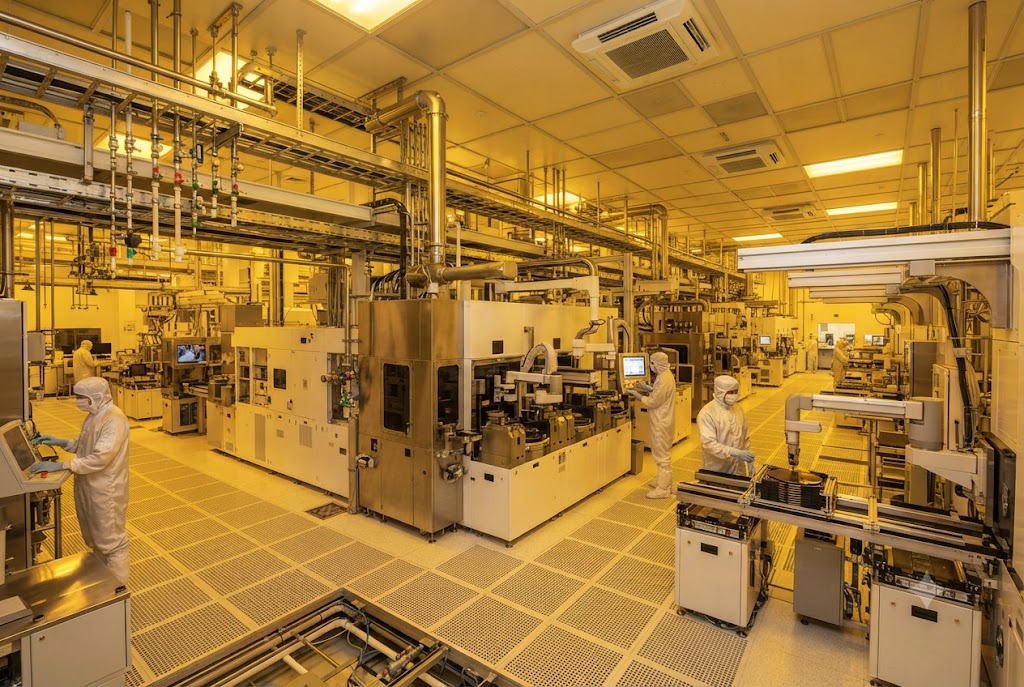
Regional Demand Variation Across Fab Locations
Semiconductor production concentrates in specific geographic regions, creating differentiated chemical demand patterns based on where fabs operate and where corrections hit hardest.
Taiwan concentration:
TSMC dominance in advanced logic foundry creates massive specialty chemical demand concentration
Leading-edge node focus provides relative resilience during corrections
Geographic concentration creates supply chain risk but also opportunity for localized suppliers
South Korea dynamics:
Memory focus (DRAM and NAND) shows high cyclicality
Current market weakness in memory segments creates severe utilization pressure
Chemical demand for memory fabs experiencing sharp corrections
China mainland evolution:
Rapid mature node capacity expansion driven by domestic policy
Ongoing U.S. restrictions limiting advanced equipment and materials access
Growing domestic chemical supplier ecosystem competing with foreign suppliers
U.S. reshoring:
New fab construction continues but production ramps still years away
Current chemical demand from U.S. fabs represents smaller share than Asian production
Future demand growth expected but timing uncertain
For chemical procurement teams, understanding where production concentrates and which regions face correction helps predict which suppliers will feel most pressure and where negotiating leverage may emerge.
Inventory Adjustments Amplify Demand Swings
Semiconductor supply chains operate with multiple inventory layers that amplify demand signals during both growth and correction phases.
Inventory exists at multiple points:
Chemical suppliers maintaining safety stocks and production inventory
Distributors and logistics providers holding buffer stocks near customer facilities
Fab chemical storage with on-site tanks and containers for critical materials
Work-in-process inventory at various production stages within fabs
During growth periods, all participants build inventory simultaneously creating demand that exceeds actual consumption. During corrections, coordinated destocking creates demand collapse exceeding consumption decline.
The recent 18% monthly semiconductor index decline suggests:
Chipmakers will reduce fab chemical inventories to minimum safe levels
Distributors will draw down stocks rather than reordering at historical rates
Suppliers will face 8-12 week period of sharply reduced orders before stabilizing at lower baseline
Total order reduction may reach 25-35% even if actual fab consumption declines only 10-15%
Procurement teams should anticipate this amplification effect, recognizing that initial order cuts overstate long-term demand decline while creating near-term negotiating opportunities.
What Suppliers Are Likely Doing Now
Major electronic materials suppliers responded to previous semiconductor corrections with playbooks they will likely execute again.
Typical supplier responses include:
Production curtailments matching output to reduced demand rather than building inventory
Temporary shutdowns of higher-cost facilities while maintaining lowest-cost capacity
Workforce adjustments through hiring freezes, attrition and selective reductions
Capital spending deferrals postponing expansion projects and non-critical maintenance
Commercial strategy shifts involve:
Protecting pricing on contracted volumes while offering discounts for incremental spot purchases
Maintaining technical service and relationship investment with strategic customers
Selectively pursuing share gains from weaker competitors facing financial stress
Emphasizing long-term partnerships and technology roadmap collaboration
These responses create procurement opportunities:
Suppliers eager for volume commitments to support utilization may offer pricing concessions
Spot market pricing likely weakens significantly versus contract terms
Technical resources may be more available as suppliers seek to strengthen customer relationships
Supplier financial stress at smaller players creates potential supply risk requiring monitoring
Contract Structure Implications
Many electronic chemical supply agreements include volume commitments, take-or-pay provisions and price adjustment mechanisms that behave differently during demand corrections.
Common contract structures and their correction dynamics:
Fixed-price, fixed-volume contracts create challenges when actual consumption falls below commitments. Buyers face paying for unused volumes or negotiating release from obligations. Suppliers face revenue and volume shortfalls if they granted reduction flexibility.
Cost-plus or formula-based pricing adjusts for raw material cost changes but may not reflect demand-driven pricing pressure. Buyers continue paying formula prices that exceed spot market alternatives during corrections.
Volume bands with tiered pricing create friction when consumption drops into lower volume tiers triggering higher unit prices precisely when demand is weak. Both parties may seek to renegotiate tier structures.
Annual price negotiations with consumption-based targets require reassessment when demand forecasts change dramatically. Current negotiations likely incorporate lower volume assumptions and requests for pricing flexibility.
Procurement teams should:
Review all electronic chemical contracts for volume commitments and flexibility provisions
Engage suppliers on potential amendments before formal force majeure or breach scenarios
Seek volume flexibility in new agreements given demand uncertainty
Balance opportunistic spot purchasing against relationship maintenance with strategic suppliers
Technology Transition Impacts
Semiconductor technology transitions to smaller nodes and new architectures require different chemical formulations and processes. Market corrections affect these transitions in complex ways.
Material qualification timelines:
New photoresists, etchants and deposition materials require extensive testing before production use
Qualification cycles spanning 12-24 months create investment that chipmakers hesitate to disrupt
Once materials qualify, switching costs create supplier stickiness
Innovation incentives during downturns:
Chipmakers may accelerate process improvements to reduce per-wafer costs
New materials enabling yield improvement or cost reduction gain priority
Suppliers offering performance gains can maintain pricing despite market weakness
R&D budget pressures:
Material suppliers face pressure to reduce development spending during revenue declines
Chipmaker R&D budgets may also face scrutiny affecting collaborative development programs
Delayed technology transitions can occur when both parties reduce forward-looking investment
The current correction occurs as the industry pursues aggressive roadmaps including EUV lithography expansion, gate-all-around transistors and advanced packaging. Whether these transitions maintain momentum or slow will significantly affect specialty chemical demand composition.
What Memory Versus Logic Divide Means
Semiconductor market corrections affect memory and logic segments differently, creating divergent chemical demand patterns.
Memory market characteristics:
Highly cyclical with boom-bust patterns driven by supply-demand imbalances
Commodity pricing where spot markets clear through price rather than allocation
Rapid capacity adjustments with aggressive utilization cuts during downturns
Three major producers (Samsung, SK Hynix, Micron) controlling most capacity
Logic and foundry dynamics:
More stable demand tied to specific chip designs and customer commitments
Leading foundries (TSMC, Samsung, Intel) maintain utilization through customer diversity
Technology leadership battles incentivize continued aggressive investment
Fabless customers manage inventory but maintain production to serve end markets
The recent selloff appears driven partly by AI and data center concerns, which predominantly affect logic and advanced packaging rather than memory. This suggests:
Memory chemical demand already weak may not deteriorate much further
Logic and foundry chemical consumption could face new pressure if AI investment slows
Advanced packaging materials might see corrections after strong recent growth
Net impact depends on segment mix of individual chemical suppliers
Procurement Strategies for Uncertain Demand
Chemical procurement teams managing electronic materials portfolios should adjust strategies to reflect semiconductor market uncertainty.
Immediate tactical adjustments:
Reduce safety stock levels where suppliers can provide short lead time delivery
Shift purchasing toward spot and short-term contracts where pricing is falling
Renegotiate volume commitments in existing contracts before penalties or force majeure scenarios
Build stronger relationships with secondary suppliers to create competitive pressure
Strategic positioning for eventual recovery:
Maintain qualification status with key suppliers even if reducing current volumes
Use current weakness to negotiate improved terms on multi-year agreements
Invest in supplier relationship management so suppliers prioritize your volumes during tight markets
Monitor supplier financial health to avoid supply disruptions from weak players
Portfolio balancing:
Separate commodity electronic chemicals where opportunistic buying makes sense from specialty materials requiring stable partnerships
Consider dual sourcing for critical materials to reduce dependency on any single supplier
Evaluate total cost of ownership including quality, service and supply reliability not just unit price
Build flexibility into sourcing strategies allowing rapid adjustment to changing conditions
When Does Demand Stabilize
The critical question for all participants is whether the 18% monthly semiconductor index decline represents temporary correction or fundamental demand reset.
Bullish recovery scenario:
AI and data center investment resumes after brief consolidation
Smartphone and PC refresh cycles drive consumer chip demand
Automotive electronics and industrial applications maintain growth
Semiconductor demand stabilizes by late 2026 or early 2027
Extended weakness scenario:
AI investment proves less transformative than expected creating sustained correction
Global economic weakness reduces end-market demand broadly
Memory oversupply persists requiring extended capacity discipline
Chemical demand remains depressed through 2027
Most likely mixed outcome:
Memory markets remain weak through mid-2027
Logic and foundry see modest growth in advanced nodes offset by mature node softness
Overall semiconductor production grows 2-4% rather than previous 8-12% expectations
Chemical demand grows slightly but well below supplier capacity requiring continued discipline
Procurement strategies should work across all scenarios rather than betting on single outcome.
The Bottom Line for Electronic Chemical Buyers
The semiconductor index falling 10% weekly and 18% monthly signals weakening demand expectations that cascade through specialty gas and electronic chemical supply chains. Chemical consumption responds within weeks for gases and months for other materials as fab utilization adjusts and inventory corrections amplify demand swings.
For procurement teams, key implications include:
Understanding that equity market signals often lead actual business changes by several quarters. Recognizing inventory amplification effects where initial order cuts exceed long-term consumption changes. Distinguishing leading-edge materials showing resilience from mature node commodities facing sharp corrections. Balancing opportunistic spot buying during weakness against maintaining strategic supplier relationships.
The teams that adjust sourcing strategies to reflect semiconductor demand uncertainty while preserving critical supplier partnerships will navigate this correction more successfully than those maintaining rigid approaches.
Ready to source Hydrofluoric Acid from verified global suppliers? Explore competitive offers on our platform today.
Found this useful?