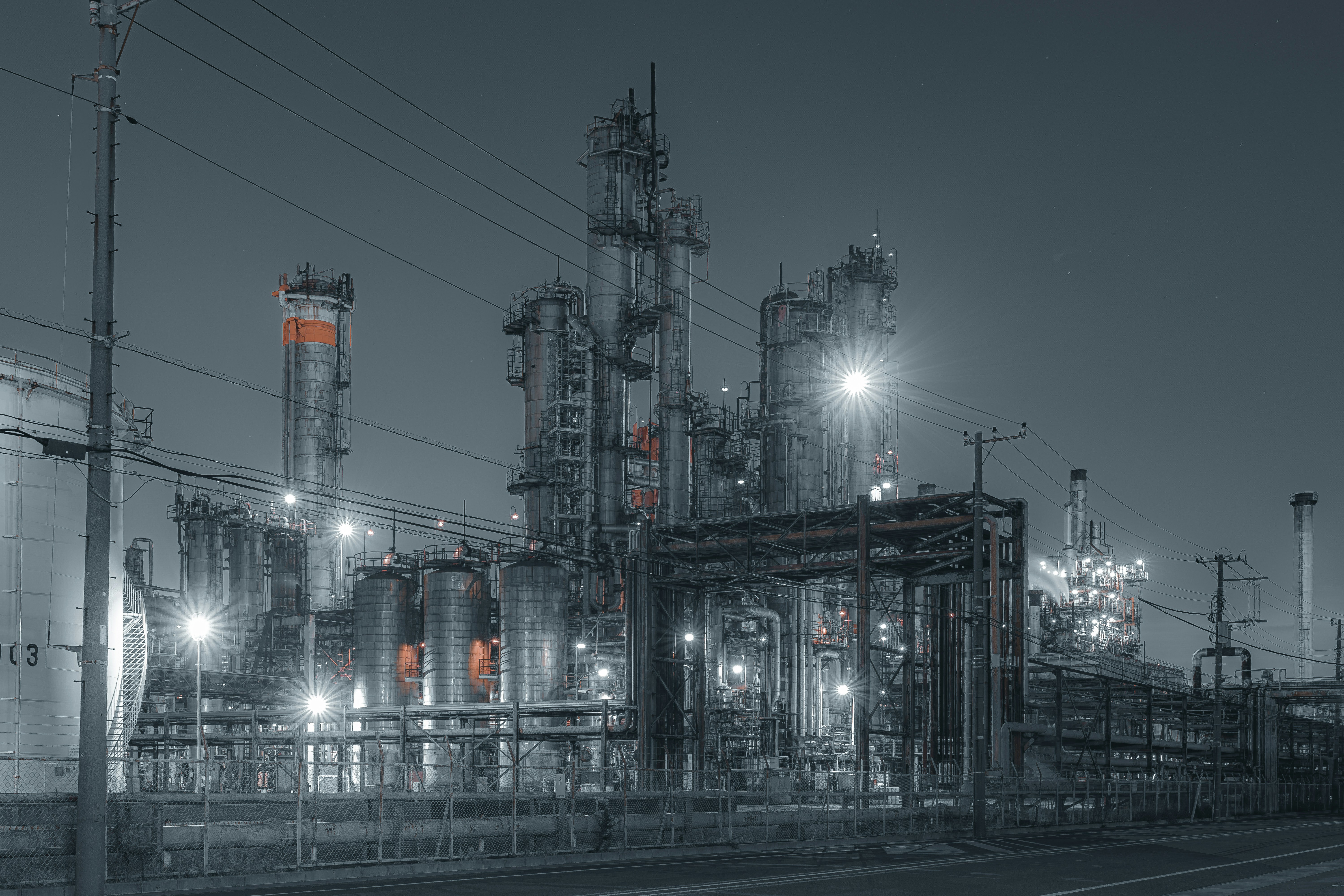
Shenghua Refining and Chemical Fully Resumes Operations After a Two-Month Outage
Shenghua Refining and Chemical Fully Resumes Operations After a Two-Month Outage
Shenghua Refining and Chemical has brought its three main production lines back to full operation following two months of intensive repair and maintenance work. The restart marks the end of a significant planned or forced outage that had removed the complex’s primary refining and chemical capacity from the market. With the lines now running, the company restores its contribution to regional fuel, feedstock and chemical supply and closes a temporary gap that downstream customers and traders had been managing through alternative sources or inventory.
Outages of this duration are material for any mid-sized or large refining–chemical complex. Two months offline typically implies either a major statutory turnaround, extensive equipment repairs, or a combination of mechanical and operational interventions that could not be completed inside a shorter window. The successful full resumption indicates that the technical objectives of the work have been met and that the units have passed the necessary safety, integrity and performance checks required for sustained operation.
Nature and Scope of the Outage
The suspension covered the three principal production lines at the site, effectively idling the core of Shenghua’s refining and downstream chemical operations for approximately sixty days. During that period the company would have lost not only primary product output—transport fuels, naphtha, LPG and other refined streams—but also the associated chemical feedstocks and intermediates that many Chinese complexes produce in an integrated configuration. Side units dependent on hydrogen, steam or intermediate streams from the main lines may also have been constrained or shut.
Intensive repair work on this scale usually addresses critical rotating equipment, furnaces, columns, heat exchangers, piping integrity and control systems. In the current operating environment, such campaigns also incorporate efficiency, emissions and reliability upgrades that extend run lengths and reduce the probability of unplanned trips. The fact that all three lines have returned together suggests a coordinated restart sequence rather than a staggered return that would have left partial capacity online for longer.
Market and Supply-Chain Impact During the Outage
While the complex was offline, regional balances for the grades Shenghua normally supplies would have tightened or shifted toward other producers. Traders and end-users typically respond by drawing down inventories, switching to alternative domestic refiners, or increasing imports where logistics and specifications allow. Two months is long enough for these adjustments to become embedded in short-term contracts and shipping schedules; the restart therefore requires a corresponding unwind as Shenghua volumes re-enter the market.
Price effects depend on the broader supply backdrop. In a well-supplied Chinese fuels and petrochemical market, the temporary absence of one complex may be absorbed with only modest local basis movements. In a tighter environment—whether caused by simultaneous turnarounds, feedstock constraints or strong domestic demand—the same outage can support short-term premiums for specific products. The full resumption removes that support and returns the market to a more normal supply footing.
Restart Sequence and Operational Considerations
Bringing multiple large process lines back from a major outage is itself a complex operation. Feed introduction, catalyst conditioning, furnace heat-up, fractionation stabilization and product-quality giveaway management must be sequenced carefully to avoid equipment stress or off-specification production. Safety systems, flare capacity and environmental controls are tested under restart conditions that differ from steady-state running. The announcement of full resumption implies that these steps have been completed and that the complex is once again capable of sustained, on-specification output.
Reliability after a major repair campaign is closely watched. Early-run performance data—on-stream factors, energy intensity, product yields and unplanned downtime—will indicate whether the intensive work has delivered the intended improvement in mechanical integrity and operating efficiency. Customers and equity analysts typically look for a period of stable operation before treating the restart as fully de-risked.
Broader Context for Chinese Independent and Regional Refiners
Chinese refining and petrochemical complexes, both state-owned and private, continue to cycle through heavy maintenance and upgrade programs. Some outages are driven by statutory inspection intervals; others by the need to repair aging equipment or to install new environmental and efficiency hardware. The two-month duration at Shenghua sits at the longer end of typical turnaround windows and underscores the scale of work required to keep complex, integrated assets running reliably under current utilization and margin conditions.
Feedstock availability, crude slate flexibility and product-demand patterns all influence how quickly a restarted complex can ramp to full rates and optimize its yield structure. In the present market, refiners also remain attentive to export quotas, domestic price guidance and the relative economics of fuels versus chemical feedstocks. Shenghua’s return adds incremental barrels and molecules that will be allocated according to those same signals.

Implications for Buyers and Competitors
For buyers who normally lift from Shenghua, the restart restores a familiar supply source and reduces reliance on substitute barrels that may have carried different quality, logistics or price characteristics. Contract volumes that were deferred or redirected during the outage can be reinstated. For competing refiners, the return of Shenghua’s capacity removes a temporary source of support for regional cracks and product prices and returns competitive intensity to previous levels.
Traders will adjust inventory and shipping programs to accommodate the renewed availability. Any premium that had attached to prompt replacement barrels is likely to erode as Shenghua volumes clear into the market. The speed and stability of the ramp-up will determine how quickly those adjustments are completed.
Outlook
The full resumption of Shenghua Refining and Chemical’s three main production lines closes a two-month chapter of intensive repairs and returns the complex to operational status. The successful restart is a positive reliability signal for the company and a normalizing event for the regional supply balance. Attention now shifts from the outage itself to the post-restart performance of the units—on-stream time, yield efficiency and the ability to sustain full rates without recurrence of the issues that necessitated the prolonged work.
In a market still shaped by maintenance cycles, feedstock costs and evolving demand for both fuels and chemicals, every major complex that returns to stable operation contributes to overall system resilience. Shenghua’s return is one such contribution.
Sources
User-supplied context from ChemNet industry coverage (September 2026) stating full resumption of three main production lines after two months of intensive repair work.
General industry reporting on Chinese refining and petrochemical maintenance cycles and restart practices in 2026 (ChemNet and related trade coverage).

Liquid Glucose
Found this useful?