Shinsung Materials Patents UV Filter Stabilization Technology for Sunscreen Formulations
UV filter stability has become an increasingly important formulation consideration as sunscreen and personal care manufacturers seek ingredients that deliver reliable protection while fitting into more sophisticated product systems. Shinsung Materials Co., Ltd. holds a Korean patent covering technology for the production and formulation stabilization of water-soluble UV filters, creating a notable development for specialty ingredient suppliers and buyers.
For chemical traders and procurement teams, the technology highlights a specific area of opportunity within the personal care ingredients market. Water-soluble UV filters can offer formulation advantages, but maintaining ingredient stability during production and throughout the finished formulation remains an important technical consideration.
Why Water-Soluble UV Filters Matter in Personal Care
UV filters form a critical part of sunscreen formulations and also appear in a broader range of personal care products where protection against ultraviolet radiation matters. Formulators must balance UV performance with compatibility, stability, appearance, texture and the overall behavior of the finished product.
Water-soluble systems can provide a different formulation pathway from conventional oil-soluble or particulate UV filter technologies. Their compatibility with aqueous formulations can be particularly relevant for products designed around lightweight textures, clear or translucent appearances and water-based delivery systems.
For buyers, this creates demand for specialty ingredients that combine functional performance with predictable handling. A stabilization technology focused specifically on water-soluble UV filters therefore addresses more than the active ingredient itself. It relates to how that ingredient behaves during production and within a finished formulation.
Shinsung Materials Targets Formulation Stability
The Shinsung Materials patent focuses on technology used in the production and formulation stabilization of water-soluble UV filters. This places stabilization at the center of the innovation rather than treating it as a secondary formulation issue.
Ingredient stability can influence manufacturing consistency, product quality and the ability of formulators to maintain expected performance across the product lifecycle. For specialty chemical buyers, technologies that improve these characteristics can become commercially relevant because they may support more predictable ingredient utilization.
The development also reflects the increasingly technical nature of the personal care ingredients sector. Suppliers are not competing only on chemical identity or basic availability. They are increasingly differentiating through formulation performance, processing technology and specialized applications.
What the Patent Means for Sunscreen Formulators
Sunscreen developers often work with complex systems that combine UV filters with solvents, humectants, emulsifiers, preservatives, polymers and other functional ingredients. The interaction between these components can influence the physical and chemical behavior of the formulation.
A stabilization technology specifically designed around water-soluble UV filters can therefore be relevant at several stages:
Ingredient processing: More controlled production can support consistency when preparing specialty UV filter materials for formulation use.
Formulation development: Improved stability can help formulators manage the behavior of the UV filter within an aqueous or water-compatible system.
Manufacturing consistency: Stable ingredient performance can support repeatability between production batches.
Product design: Greater flexibility with water-soluble UV filter systems can support the development of lightweight personal care formats.
For procurement managers, these factors can affect how suppliers are evaluated. Price remains important, but technical consistency, formulation compatibility and supply reliability can become equally significant when sourcing specialty ingredients.

Commercial Implications for Specialty Chemical Buyers
The patent positions water-soluble UV filter stabilization as a specialized technology area within the broader personal care ingredients market. For chemical traders, this type of development can create opportunities around higher-value specialty ingredients rather than commodity chemical volumes.
Buyers assessing this market should pay attention to several commercial characteristics:
Technical specifications: UV filter purity, physical form, solubility behavior and formulation compatibility can influence purchasing decisions.
Application fit: A material intended for aqueous sunscreen systems may require different evaluation criteria from a conventional oil-phase UV filter.
Supplier consistency: Repeatable quality can be critical when manufacturers qualify specialty ingredients for commercial formulations.
Documentation: Technical and regulatory documentation can influence supplier approval, particularly for ingredients used in consumer-facing personal care products.
Supply continuity: Specialty materials can face narrower supplier pools than high-volume commodity chemicals, making sourcing diversification valuable.
This creates a more technical procurement environment. Buyers may need to work closely with suppliers to understand how a UV filter behaves under specific formulation conditions rather than relying only on a standard product specification.
Formulation Stability Can Shape Product Development
Stability is a commercial consideration because instability can create problems beyond the ingredient itself. Changes in appearance, compatibility or physical behavior may affect production efficiency and the performance characteristics expected from the finished product.
For formulators, a stable water-soluble UV filter system could support greater flexibility when developing aqueous personal care products. This may become particularly relevant as manufacturers continue to develop formulations with lighter textures and differentiated sensory profiles.
The value of stabilization also extends into formulation testing. When ingredient behavior remains predictable, development teams can more efficiently evaluate interactions with other components and determine whether a system meets the required product specifications.
For chemical buyers, this means stability should be treated as part of the ingredient's commercial value, not simply as a laboratory parameter.
The Broader Specialty Ingredient Market
The Shinsung Materials patent also illustrates a wider shift within the specialty chemicals industry. Personal care manufacturers increasingly need ingredients that solve specific formulation problems rather than simply provide a basic chemical function.
This trend creates room for suppliers that can combine chemical manufacturing expertise with application-specific technology. UV filters represent one example of a broader market in which ingredient performance, formulation compatibility and processing characteristics can determine commercial attractiveness.
Chemical traders can benefit from understanding these technical distinctions. A buyer looking for a UV filter is not necessarily searching for the lowest-cost material. The preferred supplier may instead be the one that offers reliable quality, application support and consistent performance across production batches.
What Procurement Teams Should Evaluate
Procurement teams considering water-soluble UV filter technologies should approach supplier selection with both commercial and technical requirements in mind. A robust sourcing process can help reduce the risk of selecting an ingredient that appears competitive on price but creates challenges during formulation or production.
Key evaluation points include:
Technical performance: Review the ingredient's solubility, stability characteristics and intended formulation applications.
Quality consistency: Assess whether the supplier can maintain consistent specifications across repeated shipments.
Production capability: Understand the supplier's ability to support commercial quantities and future demand.
Regulatory documentation: Confirm that the required technical and compliance documentation matches the intended market and application.
Application support: Determine whether the supplier can provide meaningful technical information for formulation development.
Logistics: Evaluate lead times, shipment formats, minimum order requirements and supply continuity.
These criteria can help buyers distinguish specialty ingredient suppliers based on total procurement value rather than purchase price alone.
Opportunities for Chemical Traders and Distributors
For distributors, emerging formulation technologies can provide a route into higher-value personal care ingredient segments. A patented stabilization approach around water-soluble UV filters can generate interest among sunscreen manufacturers, formulators and specialty personal care producers seeking differentiated raw material options.
Traders can also use technical knowledge to improve customer relationships. Understanding why stabilization matters allows suppliers to discuss the ingredient in terms of formulation needs rather than simply presenting a chemical specification sheet.
Potential commercial opportunities may include:
Supplying specialty UV filter ingredients to sunscreen manufacturers.
Supporting personal care formulators developing water-based products.
Connecting regional buyers with specialized ingredient producers.
Building sourcing portfolios around application-specific personal care chemicals.
Offering technical product information alongside commercial quotations.
The ability to connect ingredient functionality with customer requirements can become an important competitive advantage as personal care formulations become more specialized.
Looking Ahead to UV Filter Stabilization Technology
Shinsung Materials' Korean patent highlights the growing importance of formulation-focused innovation within specialty personal care ingredients. Its technology for the production and stabilization of water-soluble UV filters addresses a technical requirement that can influence ingredient handling, formulation development and finished-product consistency.
For procurement managers and chemical traders, the development reinforces the importance of evaluating specialty ingredients through both technical and commercial lenses. As sunscreen and personal care manufacturers pursue more sophisticated formulations, technologies that improve the practical use of functional ingredients can create new opportunities across the supply chain.
The key opportunity lies in connecting specialized ingredient technology with reliable sourcing. Buyers that understand the technical requirements behind UV filter stabilization can make more informed supplier decisions and identify value beyond headline pricing. Ready to source Titanium Dioxide from verified global suppliers? Explore competitive offers on our platform today.
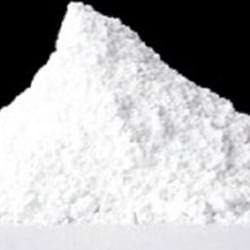
Titanium Dioxide
Found this useful?