Silica Gel: Industrial Applications and Moisture Control Solutions
Moisture control is an important requirement across industries where humidity can affect product quality, equipment performance, storage conditions and manufacturing efficiency. Excess moisture can cause corrosion, material degradation, microbial growth, packaging damage and reduced product shelf life.
Silica gel is one of the most widely used materials for managing moisture in industrial and commercial environments. It is a porous form of amorphous silicon dioxide that attracts and holds water vapour on its internal surface. Available in beads, granules and other forms, silica gel is commonly used as a desiccant in packaging, storage systems, manufacturing facilities and industrial drying applications.
Its ability to absorb moisture without dissolving in water makes it a practical solution for protecting moisture-sensitive products and maintaining controlled humidity conditions.
What Is Silica Gel and How Does It Work?
Silica gel is a synthetic, porous material made primarily from silicon dioxide (SiO₂). Its internal structure contains numerous microscopic pores that provide a large surface area for water vapour adsorption.
Unlike absorption, where a substance enters another material, adsorption occurs when molecules collect on a surface. Silica gel captures water vapour from the surrounding air and retains it within its porous structure.
The moisture-control process generally involves three stages:
Moisture exposure: Silica gel is placed inside a package, container, drying system or controlled environment.
Water vapour adsorption: Moisture molecules attach to the internal surfaces of the silica gel.
Humidity reduction: The surrounding environment becomes drier, helping protect sensitive materials and products.
Depending on the grade and application, silica gel can also be regenerated through controlled heating, allowing it to release retained moisture and be reused.
Major Industrial Applications of Silica Gel
Silica gel serves several industries because moisture management is essential for maintaining product stability and operational reliability.
1. Pharmaceutical Industry
Pharmaceutical products are often sensitive to humidity. Moisture can affect the stability, physical properties and shelf life of tablets, capsules, powders and other formulations.
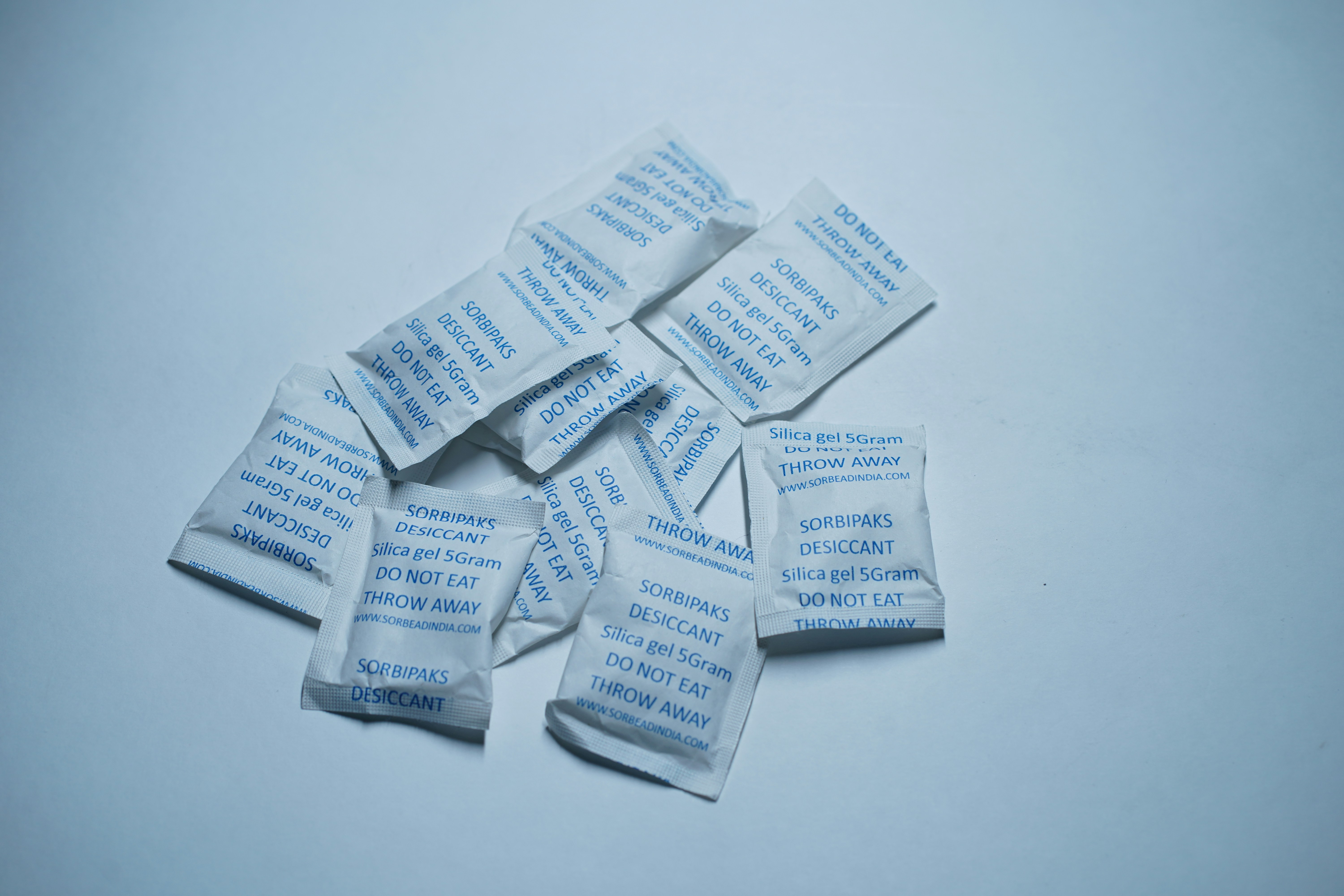
Silica gel desiccant packets are commonly placed inside pharmaceutical packaging to help maintain suitable moisture conditions.
Key applications include:
Moisture protection for tablets and capsules.
Humidity control in medicine bottles and containers.
Protection of diagnostic kits and medical devices.
Preservation of moisture-sensitive pharmaceutical ingredients.
Support for product stability during storage and transportation.
Pharmaceutical manufacturers select desiccant types and quantities according to product sensitivity, packaging design and stability requirements.
2. Food and Beverage Packaging
Moisture can negatively affect food texture, quality and shelf life. Products such as dried foods, snacks, spices and powdered ingredients may absorb moisture during storage, leading to clumping, loss of crispness or quality deterioration.
Silica gel sachets are used in selected dry-food packaging applications to control humidity.
Common applications include:
Dried fruits and vegetables.
Powdered food ingredients.
Spices and seasoning products.
Snack and specialty food packaging.
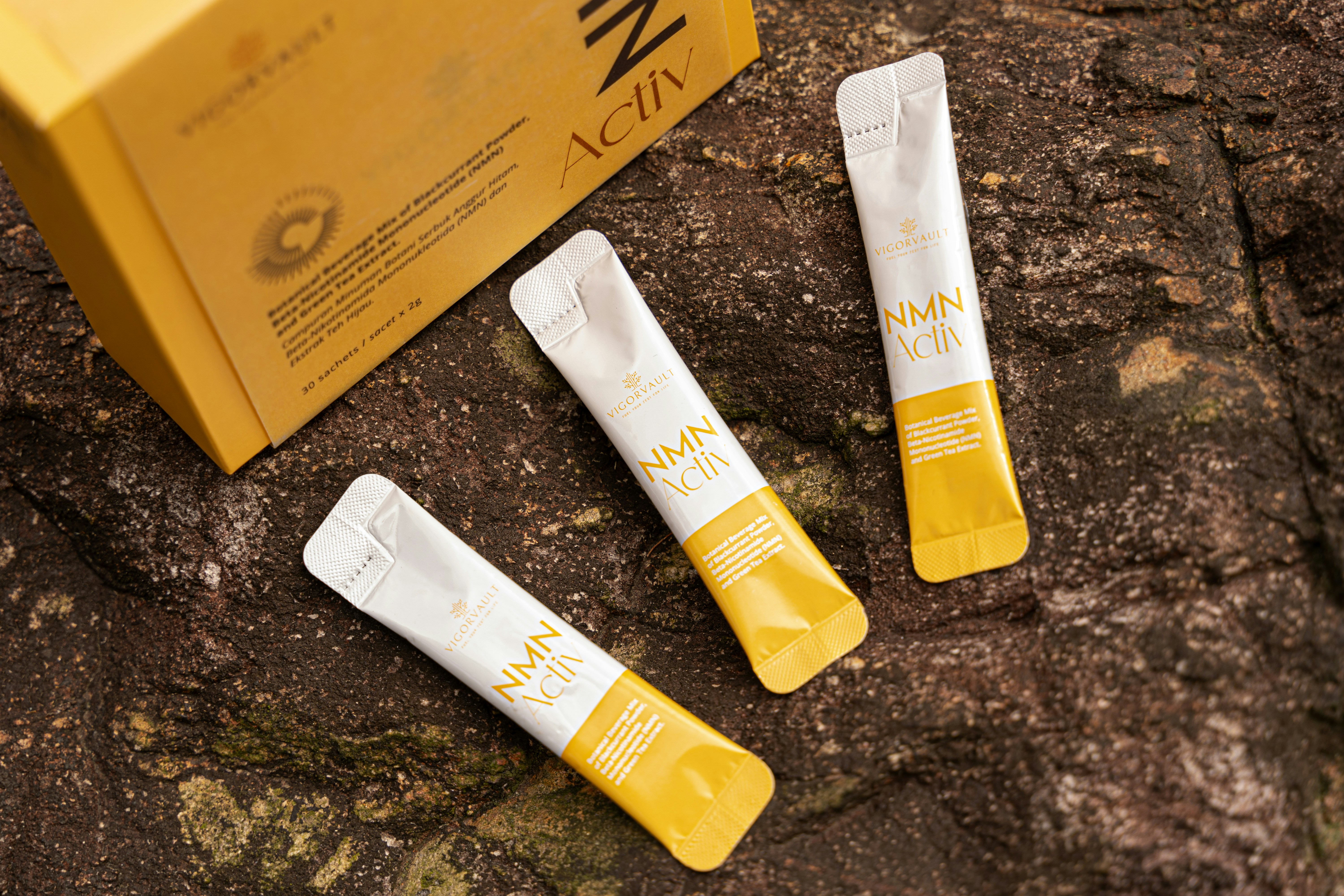
Nutritional and dry supplement products.
Food-grade suitability and regulatory compliance are essential when selecting silica gel for food-related applications. Desiccant sachets must be properly designed and clearly separated from the food itself.
3. Electronics and Electrical Equipment
Electronic components can be damaged by moisture exposure, particularly during long-term storage and international transportation. Humidity may contribute to corrosion, oxidation and electrical performance problems.
Silica gel helps maintain dry conditions inside sealed packaging and equipment enclosures.
Its applications include:
Circuit boards and electronic components.
Cameras and optical instruments.
Telecommunications equipment.
Electrical control panels.
Industrial sensors and measuring instruments.
Storage of sensitive electronic spare parts.
For manufacturers and distributors, moisture-control packaging can reduce the risk of damage during shipping and warehouse storage.
4. Chemical and Petrochemical Industries
Chemical manufacturing and processing often require controlled moisture levels to maintain product quality and process efficiency.
Silica gel can be used in drying systems and moisture-control applications involving selected gases, liquids and industrial materials.
Typical applications include:
Drying selected industrial gas streams.
Moisture control in chemical storage.
Protection of moisture-sensitive raw materials.
Dehumidification of process air.
Drying systems for compatible industrial applications.
The correct desiccant depends on the chemical composition, operating temperature, pressure and required moisture level. Silica gel is not suitable for every chemical stream, so compatibility testing and process specifications are important.
5. Industrial Air Dehumidification
Manufacturing facilities often require controlled humidity to maintain consistent production conditions. High humidity can affect raw materials, equipment and finished products.
Silica gel is used in industrial desiccant dehumidification systems to remove water vapour from air.
These systems are relevant to:
Pharmaceutical manufacturing facilities.
Food processing plants.
Chemical production units.
Warehouses and storage facilities.
Electronics manufacturing environments.
Industrial drying operations.
In many systems, silica gel is continuously regenerated so that it can maintain moisture-removal performance over extended operating periods.
6. Logistics, Packaging and Warehousing
Moisture exposure during transportation and storage can damage products, packaging materials and industrial equipment. Changes in temperature and humidity during international shipping can also create condensation inside containers.
Silica gel sachets and larger desiccant units help reduce moisture-related risks in enclosed spaces.
Common uses include:
Export packaging for machinery and equipment.
Storage of metal components and spare parts.
Leather goods, footwear and textile packaging.
Protection of optical products.
Shipping containers and sealed storage units.
Industrial equipment preservation.
The quantity of silica gel required depends on package volume, moisture exposure, storage duration and the permeability of the packaging.
Different Types of Silica Gel Used in Industry
Silica gel is available in different forms and grades depending on the required moisture-control performance.
Type | Main Characteristics | Common Applications |
|---|---|---|
White silica gel | Non-indicating desiccant without colour-changing indicators | Packaging and general moisture control |
Blue indicating silica gel | Traditionally uses a colour indicator to show moisture uptake | Industrial drying and storage |
Orange indicating silica gel | Uses an alternative colour indicator | Equipment storage and moisture monitoring |
Silica gel beads | Uniform spherical particles | Desiccant cartridges and drying systems |
Silica gel granules | Irregular particles with different particle-size options | Industrial drying and moisture adsorption |
The selection should consider adsorption capacity, operating conditions, regeneration requirements, dust generation and any applicable safety restrictions. Some traditional blue indicating grades contain cobalt chloride, so cobalt-free alternatives may be preferred where appropriate.
Benefits of Silica Gel in Industrial Moisture Control
Silica gel offers several advantages that make it useful in moisture-sensitive industrial operations.
High internal surface area: Its porous structure provides numerous adsorption sites for water vapour.
Product protection: It helps reduce humidity-related deterioration during storage and transportation.
Reusable options: Selected grades can be regenerated under controlled conditions, reducing the need for frequent replacement.
Chemical stability: Silica gel is generally chemically stable under suitable operating conditions.
Flexible formats: It is available as beads, granules, sachets and cartridge-based materials.
Wide application range: It supports moisture management in packaging, manufacturing, storage and industrial drying systems.
Silica Gel vs Other Industrial Desiccants
Silica gel is not the only material used for industrial moisture control. Activated alumina, molecular sieves and clay-based desiccants are also common.
Desiccant | Key Feature | Typical Applications |
|---|---|---|
Silica gel | Porous structure with effective water vapour adsorption | Packaging, air drying and general moisture control |
Molecular sieves | Selective adsorption and very low moisture levels | Gas drying and demanding dehydration processes |
Activated alumina | Porous adsorbent with broad industrial use | Compressed air and gas drying |
Clay desiccants | Cost-effective moisture-control material | General packaging and storage |
The best choice depends on the required dryness, operating temperature, pressure, moisture load and overall process economics. Molecular sieves, for example, may be more appropriate when extremely low moisture levels are required.
Factors to Consider When Selecting Industrial Silica Gel
Choosing the correct silica gel grade is essential for achieving reliable moisture-control performance.
Industrial buyers and procurement teams should evaluate the following factors:
Adsorption capacity: Determine how much moisture the material can retain under the expected operating conditions.
Particle size: Select suitable bead or granule dimensions for the equipment or packaging design.
Operating temperature: Confirm the recommended temperature range for the selected grade.
Packaging requirements: Choose between sachets, cartridges, bulk materials or other formats.
Regeneration capability: Evaluate whether the material needs to be replaced or can be reused.
Chemical compatibility: Confirm that the desiccant is suitable for the surrounding materials and process conditions.
Quality documentation: Review technical data sheets, safety data sheets and relevant compliance documentation.
These considerations help industrial buyers compare suppliers and select products that meet their technical and commercial requirements.
Market Demand and Future Opportunities
Demand for industrial desiccants is closely connected to manufacturing activity, international trade, pharmaceutical production, electronics distribution and the expansion of moisture-sensitive packaging.
As supply chains become more complex, businesses increasingly need dependable methods to protect products during extended storage and transportation.
Several areas offer opportunities for silica gel suppliers and manufacturers:
Growing pharmaceutical and healthcare packaging requirements.
Increasing electronics production and international distribution.
Expansion of industrial warehousing and logistics.
Greater demand for moisture-controlled food packaging.
Development of reusable and more efficient desiccant systems.
Increasing attention to product quality and damage prevention.
Sustainability is also becoming relevant to desiccant selection. Regenerable silica gel grades, reusable packaging systems and improved material-handling practices can help reduce waste in suitable applications.
Choosing the Right Moisture Control Solution
Silica gel remains an important industrial desiccant because of its versatility, porous structure and ability to protect moisture-sensitive products. From pharmaceutical packaging and electronics storage to chemical processing and industrial dehumidification, it supports businesses that need reliable humidity management.
However, effective moisture control requires more than simply adding desiccant to a package or system. Businesses must assess moisture exposure, operating conditions, product sensitivity and required performance before selecting a suitable grade.
For industrial manufacturers, distributors and procurement professionals, understanding these factors can help improve product protection, reduce moisture-related losses and support more reliable supply-chain operations.
Fumed Silica
Found this useful?