Sinopec's 112 MW Zhongyuan Wind Project Generates 430 Million kWh
Sinopec's 112 MW Zhongyuan Wind Project Generates 430 Million kWh
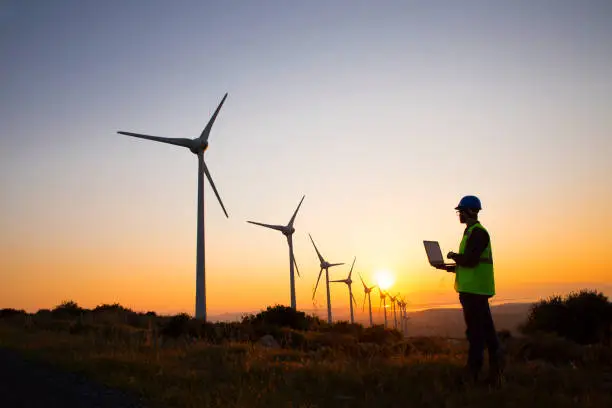
Sinopec's 112 MW Zhongyuan Oilfield wind power project has generated a cumulative 430 million kWh of electricity since its commissioning, highlighting the growing role of renewable energy in the company's oilfield operations. The project, located in Henan Province, China, is Sinopec's first wind power project at the 100 MW scale.
The project combines wind generation with energy storage and a dedicated electricity network to supply renewable power directly to the Zhongyuan Oilfield. It is designed to reduce reliance on conventional electricity while supporting Sinopec's broader transition toward lower-carbon energy operations.
A 112 MW Wind Power Project
The Zhongyuan wind project has an installed capacity of 112 MW and consists of 23 wind turbines. It also includes five switch stations, an energy storage system and approximately 117 kilometers of collector lines. The project was developed by Zhongyuan Oilfield in cooperation with Xinxing New Energy.
The project achieved full grid connection at the beginning of 2025. Since then, the wind farm has been supplying electricity to the Zhongyuan Oilfield grid, allowing the generated renewable power to be consumed locally.
The project was originally expected to generate around 250 million kWh of electricity annually according to its current operating profile, while earlier project plans had estimated annual generation at more than 300 million kWh.
430 Million kWh of Cumulative Generation
By the end of August 2026, the wind farm had generated approximately 430 million kWh of electricity since commissioning. This output demonstrates the contribution of the project to Sinopec's renewable electricity portfolio and the electricity requirements of its oilfield operations.
The generated electricity is integrated into the Zhongyuan Oilfield's internal power network for local consumption. The project is currently capable of supplying close to one-quarter of the electricity demand of the oilfield headquarters.
Using renewable electricity directly within the oilfield can help reduce the amount of conventional power that needs to be purchased from external sources while making greater use of locally generated clean energy.
Turning Oilfield Resources into Renewable Energy Assets
One notable aspect of the project is the use of previously developed oilfield resources. Zhongyuan Oilfield and Xinxing New Energy used abandoned well-site resources to support the construction of the wind power facility.
This approach provides an example of how existing energy-sector infrastructure and land resources can be incorporated into renewable energy development.
For traditional oil and gas companies, the integration of renewable power into existing operations can create opportunities to diversify energy production while continuing to utilize established industrial infrastructure.
Supporting Sinopec's Energy Transition
The Zhongyuan project is part of Sinopec's broader expansion into renewable energy. The company has been developing wind, solar, geothermal and hydrogen projects as it works to diversify its energy portfolio. Sinopec's corporate materials identify the Zhongyuan project as its first large-scale wind power project at the 100 MW level.
The wind farm also has relevance beyond electricity generation. Earlier plans for the project linked its renewable electricity with a demonstration project involving hydrogen production, illustrating how wind power can potentially support the development of green hydrogen alongside conventional oilfield activities.
Energy Storage and Grid Integration
The project includes an energy storage system alongside its wind turbines. Energy storage can help manage fluctuations in renewable generation and improve the flexibility of the electricity supply.
Wind power output naturally changes depending on wind conditions. By incorporating storage into the project, Sinopec can better manage electricity generated by the wind farm and support the operation of the local oilfield power network.
The combination of wind generation, storage and an internal distribution network therefore creates an integrated renewable energy system rather than relying solely on electricity generation from the turbines.
Reliable Operation and Maintenance
Since achieving full grid connection, the project has been supported by dedicated operation and maintenance teams. According to the project information, the teams maintain 24-hour duty coverage, real-time monitoring, regular inspections and preventive maintenance.
These measures are particularly important for large renewable energy facilities because maintaining turbine availability and managing equipment performance directly affects electricity generation.
The project's operating performance also provides Sinopec with practical experience in managing large-scale renewable assets within an industrial environment.
Implications for China's Industrial Energy Sector
The Zhongyuan wind project illustrates the increasing integration of renewable electricity into China's industrial energy systems. Instead of developing renewable power exclusively for general grid supply, projects can also be designed to meet the electricity requirements of large industrial facilities directly.
For oilfields and other energy-intensive operations, this approach can provide an additional source of electricity while supporting efforts to reduce the carbon intensity of operations.
The model may also become increasingly relevant as industrial companies look for ways to combine renewable generation, energy storage and existing infrastructure.
Looking Ahead
Sinopec's 112 MW Zhongyuan wind project represents an important development in the company's renewable energy expansion. With 430 million kWh already generated and renewable electricity supplying nearly one-quarter of the Zhongyuan Oilfield headquarters' electricity demand, the project is becoming an important part of the site's energy system.
The inclusion of 23 turbines, an energy storage system and an extensive collector network demonstrates how renewable energy can be integrated directly into large industrial operations.
As Sinopec continues developing wind, solar, hydrogen and other low-carbon energy projects, the Zhongyuan wind farm provides an example of how renewable electricity can be combined with traditional energy infrastructure to support a gradual transition toward a more diversified energy portfolio.
Swing Soap Noodles TFM >= 67% (85:15)
Found this useful?