Snøhvit Future Costs Rise, but the Emissions Cut Stays Large
Snøhvit Future Costs Rise, but the Emissions Cut Stays Large
Snøhvit Future Becomes More Expensive
Norway’s Snøhvit Future project has received another cost increase, with operator Equinor updating the investment estimate to NOK 26.5 billion in 2026 prices. Announced on October 7, 2026, the revision reflects the technical and operational challenges of upgrading the existing Hammerfest LNG facility at Melkøya while it remains an operating industrial site.
Despite the higher budget, the project’s main schedule remains unchanged. Onshore gas compression is planned to start in 2029, while electrification of the LNG facility is scheduled for 2030.
The project has two principal objectives: maintaining natural gas production as reservoir pressure declines and reducing emissions by replacing much of the facility’s existing gas-fired power generation with electricity from the grid.
Equinor estimates that electrification will reduce annual carbon dioxide emissions by approximately 850,000 tonnes. This target remains a major environmental benefit of the project, even as investment costs continue to rise.
How Much Have the Project Costs Increased?
The latest estimate is substantially higher than the original development budget.
When the plan for development and operation was submitted in 2022, the estimated investment was NOK 13.2 billion. Equinor’s updated comparison puts that original amount at approximately NOK 15.2 billion in 2026 value.
In December 2025, the company announced an estimate of just over NOK 20 billion in 2025 prices. The October 2026 update brings the forecast to NOK 26.5 billion in 2026 prices.
These figures use different price-year bases, so they should not be compared as if they were all expressed in the same year's currency. Nevertheless, the latest estimate confirms that the project has become more expensive than initially anticipated.
Equinor has attributed the cost development to the complexity of carrying out major modifications at an operating facility, operational challenges at Hammerfest LNG, weather conditions and difficult rock conditions encountered during construction of the power cable tunnel.

What Is the Snøhvit Future Project?
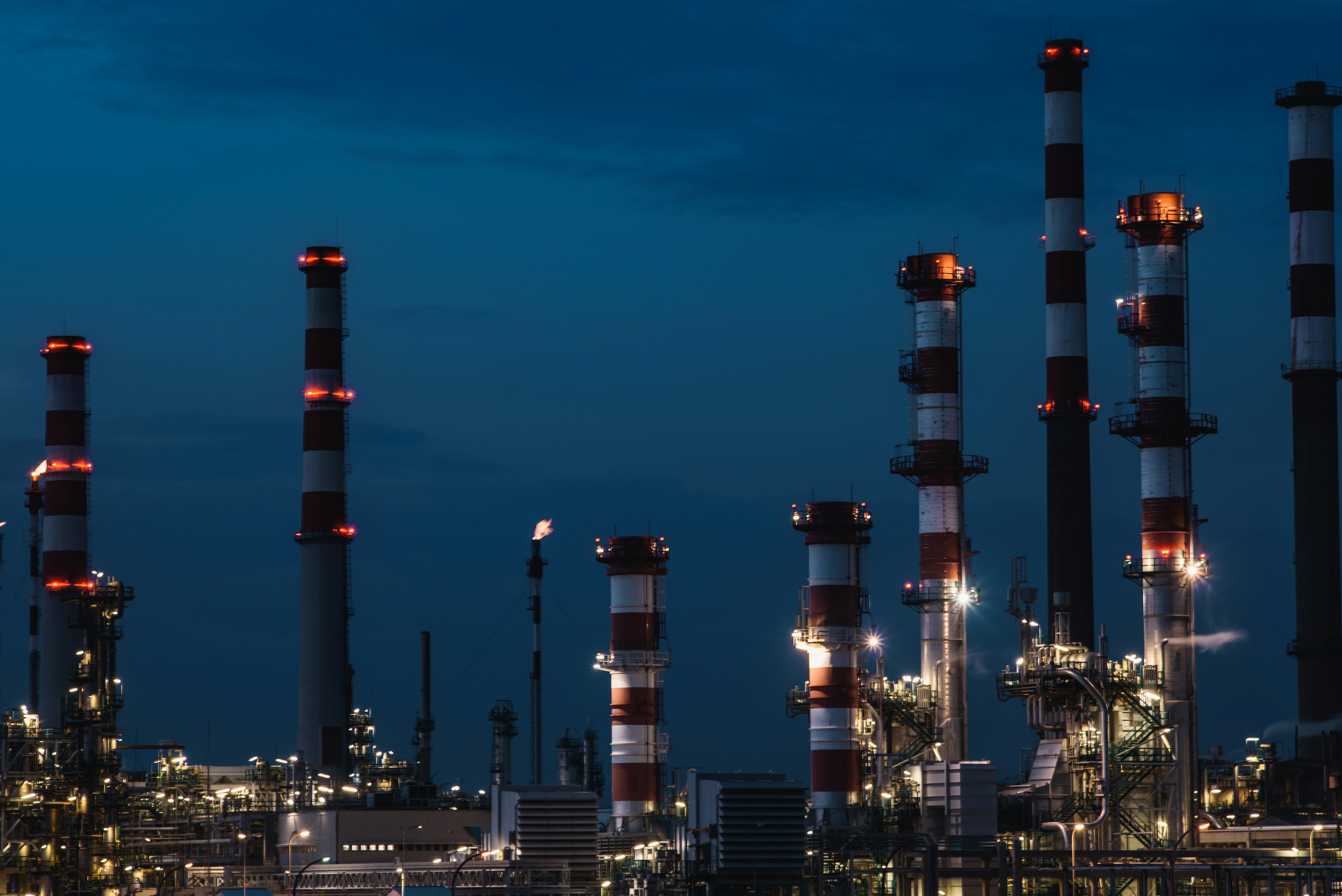
Snøhvit Future is an upgrade programme for the Hammerfest LNG plant on Melkøya, near Hammerfest in northern Norway. The facility processes natural gas from the Snøhvit field in the Barents Sea before exporting it as liquefied natural gas.
The project combines two technically different workstreams.
Onshore compression to maintain gas production
As a gas reservoir matures, its natural pressure declines. Lower pressure can make it more difficult to move gas through the production and processing system at the required rate.
The onshore compression component is designed to help maintain production at Hammerfest LNG as reservoir pressure falls. Compression increases gas pressure to support continued processing and flow through the facility.
This element is primarily concerned with sustaining the operation of the gas export infrastructure and supporting long-term energy supply.
Electrification to reduce emissions
The second component involves electrifying Hammerfest LNG. Instead of relying on gas-fired equipment to supply much of the facility's power, the upgraded installation will use electricity delivered through new grid infrastructure.
The work includes a new substation at Melkøya, a subsea power cable, electrical modifications at the LNG plant and a 3.2-kilometre power cable tunnel between Meland and Hyggevatn. Statnett is also developing supporting grid infrastructure, including a substation at Hyggevatn and a power line from Skaidi.
Connecting the facility to the electricity grid requires extensive construction and careful integration with existing operations. These requirements contribute to the project's engineering complexity.
Why the Emissions Reduction Remains Significant
The planned electrification is expected to reduce annual CO₂ emissions by around 850,000 tonnes. Equinor describes this as equivalent to approximately 2% of Norway's annual emissions.
The reduction is linked to replacing gas-fired power generation at the facility with electricity. The overall climate benefit depends partly on the emissions associated with producing and delivering that electricity, as well as the project's actual operating performance.
Electrification does not mean the facility will stop processing natural gas. Rather, it changes how much of the energy needed to run the plant is supplied by electricity instead of burning gas on-site.
This distinction matters when assessing the project. The emissions reduction concerns the operation of the LNG facility; it does not mean that all emissions associated with producing, transporting and ultimately using the exported gas will disappear.
Construction Challenges at an Operating LNG Facility
Snøhvit Future is being delivered within an established industrial complex that must continue to be managed safely while new equipment and infrastructure are installed.
Working in an operating facility is more complicated than building a greenfield plant. Construction teams must coordinate access, equipment installation, existing operations, maintenance activities and safety requirements. Work may also depend on planned shutdowns or other operational windows.
Equinor has identified several factors that have affected the project's cost and progress:
Complex integration: Connecting new systems to existing LNG infrastructure has required more engineering and coordination than anticipated.
Weather conditions: Difficult weather has affected work at the site.
Rock conditions: Challenging geological conditions have influenced construction of the power cable tunnel.
Operational constraints: Work has had to be coordinated with activities and challenges at the operating Hammerfest LNG plant.
The company says it is working with suppliers on targeted measures, risk management and closer coordination to deliver the remaining work safely and efficiently.
As of the October 2026 update, the project was approximately 60% complete.
What the Project Means for Northern Norway
Snøhvit Future is also economically important for Hammerfest and the wider northern Norwegian region. The LNG facility supports direct employment and a broader network of contractors, suppliers and service companies.
Equinor expects more than 70% of the project's value creation during the development phase to go to Norwegian companies, with more than one-third of that share going to Northern Norway.
Hammerfest LNG employs approximately 750 people during normal operations and supports around 1,450 jobs when wider economic effects are included, according to Equinor.
The project is intended to help sustain the facility and its contribution to Norwegian energy exports towards 2050. The cost increase therefore creates a difficult balance: higher capital spending must be weighed against continued production, long-term energy supply and the planned reduction in operational emissions.
The Updated Timeline: 2029 and 2030
Equinor has maintained the revised timetable despite the latest budget increase.
Onshore compression is scheduled to start in 2029, while electrification is planned for 2030. The compressor module arrived at Melkøya in August 2026, and work continues on electrical infrastructure, the power cable tunnel and technical modifications at the LNG facility.
The next stage will require the project team to complete construction, integrate the new equipment and prepare the systems for operation.
The schedule remains a plan rather than a guarantee. Further construction or integration challenges could affect delivery, particularly because the work must be coordinated with an operating LNG facility.
Why Snøhvit Future Matters Beyond Norway
The project illustrates a challenge facing established energy infrastructure worldwide: how to maintain production while reducing emissions from existing facilities.
Electrification can substantially reduce on-site emissions where suitable grid electricity and connection infrastructure are available. However, projects of this scale may require new transmission lines, substations, cables, tunnels and extensive modifications to operating plants.
Snøhvit Future demonstrates both sides of this transition. Its rising costs highlight the complexity of retrofitting existing infrastructure, while the planned annual reduction of 850,000 tonnes of CO₂ shows the potential scale of emissions savings.
Whether the investment ultimately delivers the expected value will depend on completing the work, keeping the facility reliable and achieving the targeted emissions reductions once electrification begins.
Sources
Equinor — Official announcement, October 7, 2026: Updated cost estimate for the Snøhvit Future project
Equinor — Project overview: The Snøhvit Future project
Equinor — Previous project update, December 22, 2025: Status update for the Snøhvit Future project
Riviera Maritime Media — Industry coverage: Latest Equinor estimates add US$1 billion to proposed cost of Snøhvit Future LNG project

Acesulfame Potassium (E950)
Found this useful?