SOCAR Signs Multiple Upstream, LNG and Energy-Infrastructure Agreements
SOCAR has signed a series of upstream, LNG and energy-infrastructure agreements that broaden its access to hydrocarbon resources and international gas markets. The agreements cover a 50/50 production-sharing arrangement with ExxonMobil for unconventional hydrocarbons in Azerbaijan, the final investment decision for full-scale Absheron development, LNG export opportunities linked to Haynesville gas and a 10% interest in Côte d’Ivoire's Baleine field.
For chemical traders, procurement managers and industrial buyers, these developments matter because upstream investment can influence natural gas availability, infrastructure demand and the broader feedstock environment. The agreements also show SOCAR building relationships across Azerbaijan, North America and West Africa rather than relying on a single regional resource base.
SOCAR Expands Its Upstream Resource Portfolio
The Middle Kura agreement gives SOCAR and ExxonMobil equal 50% participating interests in unconventional hydrocarbon resources in Azerbaijan's Middle Kura Basin. ExxonMobil will operate the project, combining SOCAR's local position with an international partner's unconventional-resource expertise.
For the upstream market, the agreement establishes a framework for exploration, development and production. Its importance extends beyond the immediate acreage because unconventional resources can require specialized drilling, completion, processing and transportation infrastructure.
The partnership also strengthens SOCAR's exposure to additional domestic resources while distributing project participation between two major energy companies. For industrial buyers, greater upstream activity can eventually affect regional gas supply and the availability of associated energy-intensive services.
Absheron FID Moves Gas Development Forward
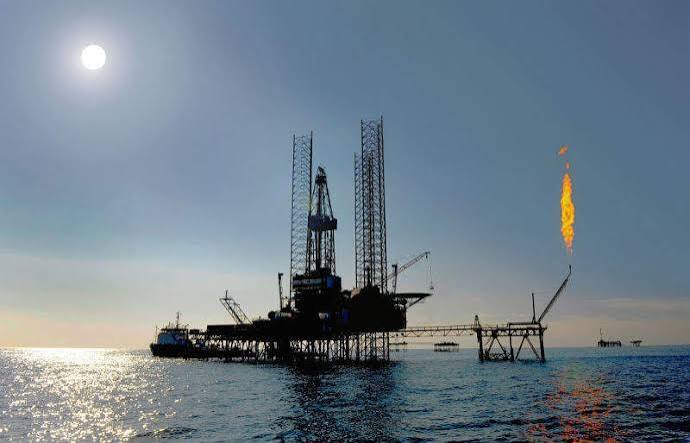
SOCAR, TotalEnergies and XRG have exchanged the Final Investment Decision for full-scale development of the Absheron gas-condensate field in the Caspian Sea. The program includes additional wells and new processing infrastructure designed to increase resource recovery.
Absheron already has an operating production base. Its initial development phase began production in 2023 with capacity of approximately 4 million cubic meters of gas per day and 12,000 barrels of condensate per day.
The full-field development therefore represents an expansion rather than a completely new production concept. The additional infrastructure can support higher recovery and create more capacity around a resource that already feeds Azerbaijan's gas system.
The project also connects directly with longer-term export planning. Earlier agreements have targeted future Absheron gas supplies for international markets, including Turkey, reinforcing the field's role within Azerbaijan's wider gas export strategy.
Haynesville Partnership Creates an LNG Marketing Route
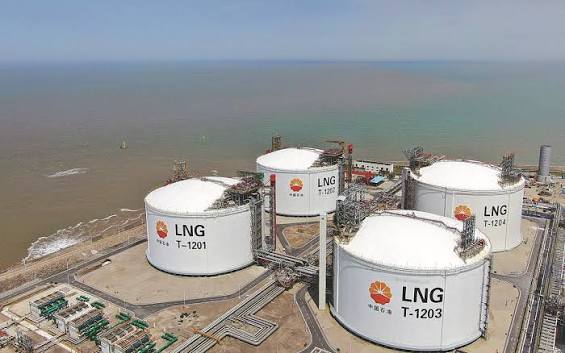
SOCAR's agreement with Comstock Resources adds a North American dimension to its expanding energy portfolio. The framework formalizes a strategic partnership involving SOCAR's planned $1.65 billion investment in Haynesville assets and establishes cooperation around potential international LNG marketing.
The Haynesville region offers an important commercial advantage because of its proximity to major US Gulf Coast LNG export infrastructure. SOCAR and Comstock plan to examine how gas attributable to Comstock's interests could reach international markets as LNG.
Several commercial questions will shape the opportunity:
Offtake counterparties: Potential buyers will need to be identified for LNG volumes entering international trade.
Pricing structures: Commercial terms will determine how upstream gas value translates into LNG sales.
Logistics: Transportation, liquefaction access and destination markets will influence delivered economics.
Regulation: International LNG transactions require coordination across production, export and destination jurisdictions.
For procurement teams, the development highlights how upstream investment and LNG marketing increasingly operate as interconnected parts of the same supply chain. Gas buyers may need to monitor not only production projects but also the infrastructure and commercial arrangements that determine where molecules can move.
Baleine Gives SOCAR an African Upstream Position
SOCAR has also completed its acquisition of a 10% interest in the Baleine oil and gas project offshore Côte d’Ivoire. Following completion, Eni holds 37.25%, Vitol holds 30%, Petroci holds 22.75% and SOCAR holds 10%.
The transaction gives SOCAR a direct position in an African offshore development and adds geographic diversification to its upstream portfolio. Baleine began production in 2023 and currently produces more than 62,000 barrels of oil and over 75 million cubic feet of gas per day from its first two development phases.
The planned third phase could raise output substantially, with expected production reaching 150,000 barrels of oil and 200 million cubic feet of gas per day. That potential expansion gives the project strategic relevance for Côte d’Ivoire's domestic energy supply as well as SOCAR's international upstream ambitions.
For international traders, a new shareholder with experience across production, trading and energy infrastructure can create additional commercial relationships. It can also expand the network through which African hydrocarbons connect with global markets.
What the Agreements Mean for Gas Supply Chains
Taken together, the four agreements create exposure across several stages of the energy value chain. SOCAR is participating in exploration and development, field expansion, international gas marketing and offshore production.
This diversified approach can influence procurement markets in several ways:
More upstream activity can increase infrastructure demand. New wells, processing facilities and transportation systems require equipment, engineering services and industrial inputs.
LNG can widen the destination market for gas. International LNG sales can connect regional production with buyers far beyond the producing country.
Field diversification can reduce geographic concentration. SOCAR's activities now span Azerbaijan, the United States and Côte d’Ivoire.
Processing capacity becomes increasingly important. Producing hydrocarbons is only one part of the supply chain. Processing, liquefaction, transportation and storage determine how efficiently products reach customers.
For chemical and industrial buyers, these developments can also matter indirectly. Natural gas remains an important feedstock and energy source for industries producing ammonia, methanol, hydrogen and numerous other basic chemicals.
Procurement Considerations for Energy-Intensive Industries
Procurement teams should track the commercial development of these projects alongside physical production milestones. A signed agreement can establish strategic direction, but actual supply impacts depend on project execution, construction schedules, production ramp-up and market access.
Buyers can focus on several practical indicators:
Production milestones provide an early signal of when additional gas or condensate could enter the market. Monitoring drilling programs and commissioning activity helps buyers understand the likely timing of incremental supply.
Infrastructure development can determine whether new production reaches domestic or export markets. Processing plants, pipelines, LNG terminals and storage facilities all affect the movement of commodities.
Contract structures also matter. Long-term supply agreements, equity participation and LNG offtake arrangements can influence how much production remains available for spot or shorter-term transactions.
Regional pricing deserves close attention as additional gas volumes enter interconnected markets. Delivered prices depend on production economics, transportation costs, liquefaction charges, shipping and destination-market conditions.
Global Energy Trade Gains a More Connected Structure
SOCAR's latest agreements illustrate how national energy companies increasingly combine upstream ownership with international trading and infrastructure strategies. The company's participation in Azerbaijan's Middle Kura and Absheron projects strengthens its domestic resource base while the Haynesville arrangement opens a pathway into US gas and potential LNG exports.
The Baleine transaction adds another layer of geographic diversification. Together, these positions give SOCAR exposure to different resource types, production regions and routes to market.
For industrial commodity markets, the significance extends beyond crude oil and natural gas. Energy availability influences operating costs across chemical manufacturing, fertilizers, polymers and other sectors that depend on reliable hydrocarbon feedstocks.
As more projects move from agreements into drilling, construction and production, traders will have more milestones to monitor. The key question for buyers will be how quickly new resources translate into commercially accessible supply.
What Buyers Should Do Now
Procurement teams can use SOCAR's expanding portfolio as a signal to strengthen forward market monitoring. Tracking project milestones across Azerbaijan, the US Gulf Coast and West Africa can provide a broader view of future energy availability and potential feedstock movements.
Buyers should pay particular attention to:
Gas production growth, especially from Absheron and Baleine as development phases progress.
LNG commercialization, including potential Haynesville export arrangements and international offtake agreements.
Processing infrastructure, which can determine how much upstream production reaches end users.
Regional supply diversification, as new production sources alter trade routes and procurement options.
Energy-linked chemical costs, particularly in industries where natural gas represents a major feedstock or operating expense.
SOCAR's latest agreements therefore represent more than a collection of individual transactions. They establish a broader international portfolio covering exploration, production, processing and potential LNG marketing, giving the company new positions across several important energy corridors.

Ammonia Anhydrous
Found this useful?