Sodium Aluminate: Applications in Water Treatment and Construction
Sodium aluminate is an important inorganic chemical used in water purification, wastewater treatment and construction manufacturing. Its ability to supply reactive aluminium while contributing alkalinity makes it useful in processes that require controlled coagulation, phosphorus removal and faster cement setting.
The chemical industry uses sodium aluminate in both solid and liquid forms. Water treatment facilities value its ability to support particle removal and pH management, while construction manufacturers use it in specialized cement formulations and concrete applications.
For chemical traders, importers and procurement managers, sodium aluminate offers opportunities across municipal infrastructure, industrial water treatment and construction supply chains. Understanding its chemical properties, technical grades and application requirements helps buyers identify suitable suppliers and evaluate product quality before purchasing.
What Is Sodium Aluminate and How Is It Produced?
Sodium aluminate is an inorganic compound containing sodium, aluminium and oxygen. Its commonly used chemical formula is NaAlO₂, although commercial products can also contain hydrated aluminate species and excess sodium hydroxide.
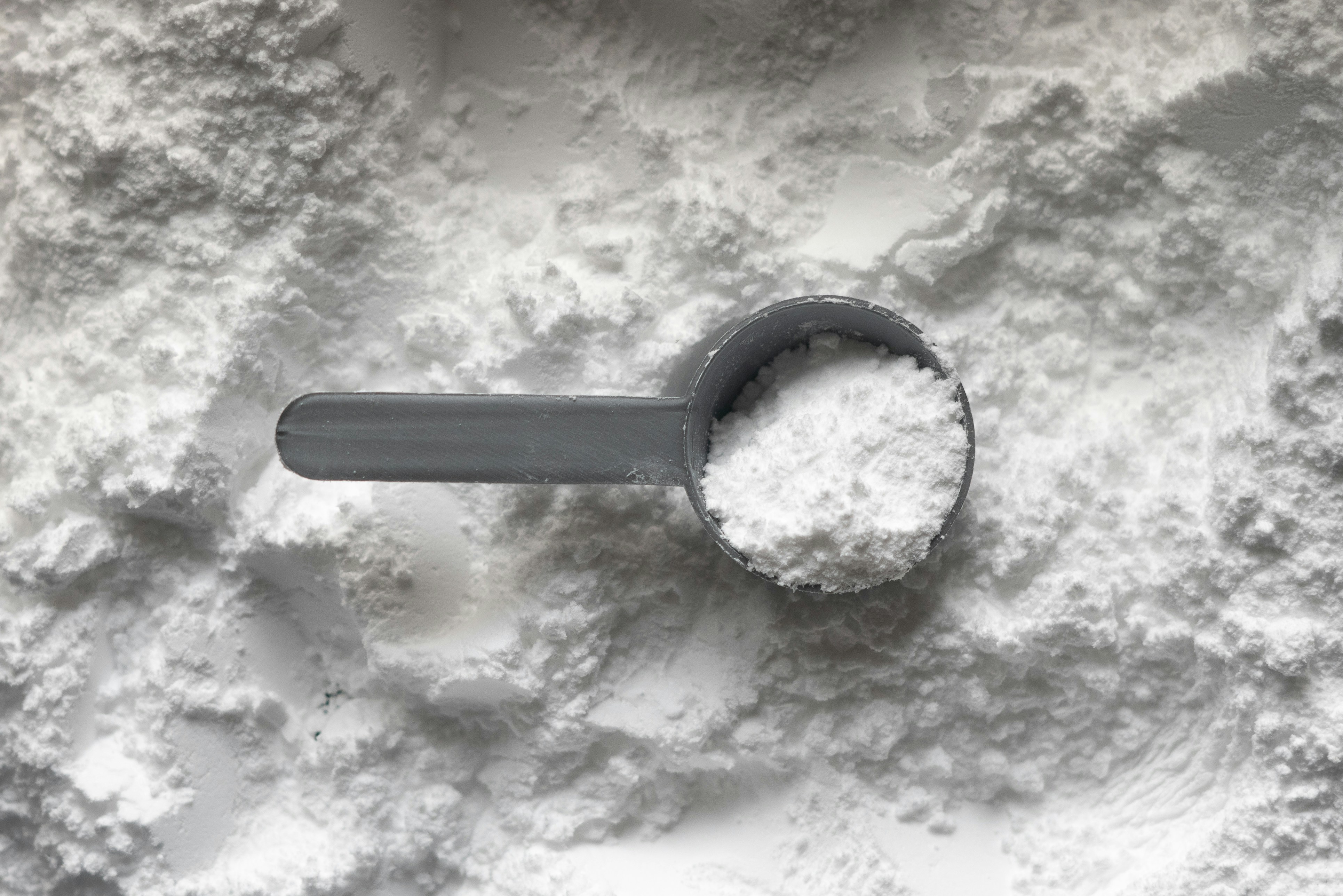
It generally appears as a white powder or solid material. Liquid sodium aluminate solutions are also commercially available and typically have a strongly alkaline character.
Chemical Properties and Industrial Characteristics
Several chemical properties make sodium aluminate valuable across industrial applications:
Chemical formula: NaAlO₂.
CAS number: 1302-42-7.
Appearance: White powder or solid, with clear to pale-coloured liquid solutions.
Solubility: Dissolves in water under suitable conditions.
Alkalinity: Produces strongly alkaline solutions.
Chemical function: Supplies reactive aluminium and contributes alkalinity.
Its aluminium content supports coagulation and precipitation reactions, while its alkaline characteristics help maintain suitable pH conditions in selected industrial processes.
Manufacturing Process
Manufacturers generally produce sodium aluminate by reacting aluminium hydroxide or aluminium oxide with sodium hydroxide.
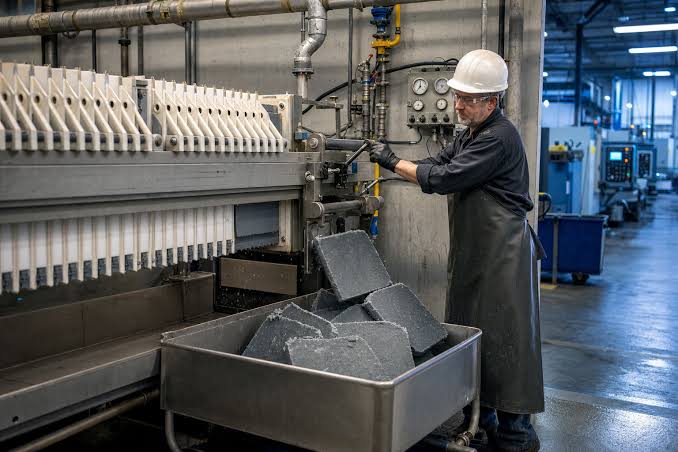
The reaction produces soluble sodium aluminate, which manufacturers can process into a liquid solution or recover as a solid product through controlled processing and drying.
The main production considerations include:
Quality and purity of aluminium-based raw materials.
Concentration of sodium hydroxide.
Reaction temperature and processing conditions.
Aluminium oxide content.
Sodium oxide content and molar ratio.
Filtration, concentration and drying efficiency.
Manufacturers adjust these parameters to produce grades suitable for water treatment, cement production and other industrial requirements.
Australian Drinking Water Guidelines+1
Sodium Aluminate Applications in Water Treatment
Water treatment represents one of the most established applications of sodium aluminate. Municipal facilities and industrial treatment plants use it to support coagulation, flocculation, water softening and phosphorus removal.
Its main advantage comes from the combination of aluminium and alkalinity. Unlike acidic aluminium coagulants, sodium aluminate contributes alkalinity to the treatment process.
Coagulation and Flocculation
Raw water often contains suspended particles, organic matter and fine impurities that remain difficult to remove through ordinary settling.
Sodium aluminate supplies aluminium species that help destabilize suspended particles. These particles can then combine into larger aggregates, known as flocs, which treatment systems remove through sedimentation and filtration.
Water treatment operators may use sodium aluminate alone or combine it with other coagulants, depending on raw water characteristics.
pH and Alkalinity Management
Some water sources contain naturally low alkalinity. Adding acidic coagulants can further reduce alkalinity and create additional requirements for pH correction.
Sodium aluminate provides aluminium while contributing alkalinity, making it useful in selected low-alkalinity treatment systems.
Facilities may also combine it with aluminium sulfate, commonly called alum, to balance coagulation performance and water chemistry.
Phosphorus Removal in Wastewater
Excess phosphorus in wastewater can contribute to nutrient pollution and eutrophication in receiving water bodies.
Sodium aluminate provides aluminium ions that react with phosphate species and form less soluble aluminium-containing compounds. Treatment facilities can then remove these compounds through settling and filtration.
Wastewater operators evaluate chemical dosage, pH and phosphorus concentration to achieve the required treatment performance.
Water Softening and Silica Removal
Sodium aluminate can also support selected water softening and industrial water treatment processes.
Its aluminium chemistry helps remove certain dissolved or suspended impurities under suitable operating conditions. Industrial facilities may also use it in treatment systems designed to reduce silica and other unwanted constituents.
The exact application depends on water composition and the treatment process. Pilot testing and laboratory evaluation help operators determine whether sodium aluminate offers a suitable solution.
Australian Drinking Water Guidelines+3
Sodium Aluminate Uses in Construction and Cement Manufacturing
Construction manufacturers use sodium aluminate in specialized applications where rapid setting, early strength development and chemical performance matter.
Its reactive aluminium content makes it useful in selected cement systems and construction chemical formulations.
Cement Setting Acceleration
Cement manufacturers and construction chemical producers incorporate suitable sodium aluminate grades into certain formulations to accelerate setting.
The compound participates in reactions with cement constituents and influences the formation of hydration products. This can help shorten setting times and support early strength development under controlled conditions.
Applications include:
Rapid-setting cement formulations.
Emergency repair materials.
Selected precast concrete applications.
Specialized grouts and repair mortars.
Construction projects requiring faster turnaround.
The dosage requires careful control because excessive accelerator addition can affect workability, setting behaviour and final performance.
Shotcrete and Underground Construction
Shotcrete involves spraying concrete or mortar onto surfaces using specialized equipment. Construction teams use accelerator-containing formulations in tunnels, mines and underground infrastructure projects.
Suitable sodium aluminate-based accelerators can support rapid setting and help sprayed material adhere to vertical or overhead surfaces.
Contractors must evaluate accelerator compatibility with the cement, required setting time and concrete performance specifications before selecting a formulation.
Refractory and Specialized Building Materials
Sodium aluminate also serves as a processing ingredient in certain refractory and ceramic manufacturing applications.
Its aluminium content supports the preparation of selected inorganic formulations used in heat-resistant materials and specialized industrial products.
Manufacturers should select grades according to chemical composition, purity and compatibility with the other raw materials in the formulation.
Product Grades and Technical Specifications
Sodium aluminate suppliers offer different product forms and concentrations to meet industrial requirements. Buyers should understand these differences before requesting quotations or placing bulk orders.
Solid Sodium Aluminate
Solid sodium aluminate typically appears as a white powder or granular material. It can suit facilities that prepare their own chemical solutions or prefer dry chemical storage.
Important purchasing specifications include:
Aluminium oxide (Al₂O₃) content.
Sodium oxide (Na₂O) content.
Moisture content.
Insoluble matter.
Iron and other metallic impurities.
Particle size and physical consistency.
Liquid Sodium Aluminate
Liquid grades offer convenience for facilities with automated chemical dosing systems.
Commercial solutions vary in concentration and composition. Some products contain additional free caustic alkali to maintain stability and prevent unwanted precipitation.
Buyers should evaluate:
Aluminium oxide concentration.
Sodium oxide concentration.
Specific gravity.
Free caustic content.
Viscosity.
Storage temperature requirements.
Liquid products can simplify handling, but their viscosity and compatibility with storage equipment require attention.
Quality Documentation
Procurement teams should request a Certificate of Analysis (COA), Safety Data Sheet (SDS) and Technical Data Sheet (TDS).
For drinking water treatment, buyers should also check applicable regulatory requirements and relevant standards such as AWWA B405 or EN 882 where applicable. Product approval must match the intended application and local requirements.
Sodium+2
Global Market Opportunities and Supply Chain Considerations
Sodium aluminate serves industries connected to water infrastructure, construction, wastewater management and specialized chemical manufacturing.
Demand from these sectors creates opportunities for chemical distributors that can supply consistent grades and maintain reliable delivery arrangements.
Opportunities for Chemical Traders
Importers and distributors can target several customer categories:
Municipal water treatment facilities: Require suitable coagulants for drinking water purification.
Wastewater treatment plants: Use aluminium-based chemicals for phosphorus removal and solids treatment.
Construction chemical manufacturers: Purchase sodium aluminate for specialized cement accelerators.
Cement producers: May use it in selected rapid-setting formulations.
Industrial manufacturers: Require aluminium-based inputs for specialized processing applications.
Factors Affecting Purchasing Costs
Several factors influence sodium aluminate procurement costs.
Raw material prices: Aluminium hydroxide, aluminium oxide and caustic soda influence manufacturing expenses.
Energy and production costs: Heating, concentration, filtration and drying requirements affect production economics.
Product concentration: Liquid grades with different aluminium oxide contents cannot be compared accurately using price per tonne alone.
Transportation: Liquid sodium aluminate requires compatible tanks or chemical containers. Solid material may offer different freight and warehousing advantages.
Regulatory requirements: Drinking water applications may require additional testing, certification and contaminant controls.
Supplier Selection and Sourcing Strategy
Buyers should compare manufacturers based on product consistency, production capacity, technical support and export experience.
Requesting samples and reviewing batch-specific COAs can help confirm whether a product meets the required specifications.
Importers should also compare total landed costs, including freight, packaging, insurance, customs expenses and inland transportation. Maintaining alternative suppliers can reduce the risk of procurement disruptions.
Storage, Handling and Safety Requirements
Sodium aluminate requires careful handling because its strongly alkaline nature can cause chemical burns and damage incompatible materials.
Safe Storage Practices
Solid sodium aluminate absorbs moisture from the surrounding environment. Buyers should store it in sealed, moisture-resistant packaging and maintain dry warehouse conditions.
Liquid sodium aluminate requires compatible storage tanks, pipes and transfer equipment. Suppliers should confirm material compatibility before buyers install storage systems.
Important handling practices include:
Use chemical-resistant gloves, protective clothing and safety goggles.
Prevent direct contact with skin and eyes.
Keep solid products protected from moisture.
Use compatible pumps, tanks and transfer lines.
Follow the supplier's SDS for handling and emergency procedures.
Train warehouse personnel in chemical spill management.
Quality and Contamination Control
Drinking water treatment applications require particular attention to product purity. Buyers should check for potentially harmful contaminants such as arsenic, lead, cadmium and chromium.
Batch testing and supplier documentation help treatment facilities maintain consistent chemical quality and meet applicable drinking water standards.
Australian Drinking Water Guidelines+2
What Buyers Should Prioritize in Sodium Aluminate Procurement
Sodium aluminate offers practical applications across water treatment and construction, making it a relevant industrial chemical for manufacturers, importers and distributors.
Successful procurement starts with identifying the intended application. Water treatment facilities should prioritize aluminium content, alkalinity contribution and contaminant limits, while construction chemical manufacturers should focus on formulation compatibility and setting performance.
Buyers should also compare solid and liquid grades, review technical documentation and evaluate supplier reliability before confirming large orders. Proper storage, transportation and handling arrangements can further reduce operational risks.
Alum
Found this useful?