
Sodium Bicarbonate: Industrial Applications and Market Opportunities
Sodium bicarbonate, commonly known as baking soda, has developed into an important industrial chemical with applications across food processing, pharmaceuticals, water treatment, environmental management and manufacturing. Its chemical formula, NaHCO₃, reflects a versatile compound that can neutralize acids, regulate pH and release carbon dioxide under suitable conditions.
For chemical traders, importers and procurement managers, sodium bicarbonate offers opportunities across several industrial supply chains. Its demand comes from different end-use sectors, which allows suppliers to serve food manufacturers, pharmaceutical companies, chemical processors and environmental treatment facilities.
As industries focus on production efficiency, product quality and environmental compliance, sodium bicarbonate continues to attract attention as a practical industrial ingredient. Understanding its grades, applications and sourcing requirements helps buyers identify suitable suppliers and develop more reliable procurement strategies.
What Is Sodium Bicarbonate and How Is It Produced?
Sodium bicarbonate is an inorganic sodium salt that appears as a white crystalline powder. It dissolves in water and provides mild alkalinity, making it useful in applications that require controlled pH adjustment rather than highly alkaline chemical treatment.
The chemical reacts with acids to release carbon dioxide and water. When heated, it decomposes into sodium carbonate, carbon dioxide and water. These reactions explain its importance in baking, chemical processing, cleaning and industrial treatment operations.
Manufacturing Process
Manufacturers primarily produce sodium bicarbonate using sodium carbonate, also known as soda ash, and carbon dioxide. They dissolve purified sodium carbonate in water and introduce carbon dioxide into the solution.
The reaction produces sodium bicarbonate, which separates from the solution as a solid. Manufacturers then filter, wash and dry the material before processing it into the required particle size and commercial grade.
Natural soda-based production and synthetic chemical processes both contribute to industrial supply. Production economics depend on raw material availability, energy requirements, manufacturing efficiency and access to carbon dioxide.
Important Chemical Properties
Several characteristics make sodium bicarbonate valuable for industrial buyers:
Chemical formula: NaHCO₃.
Appearance: White crystalline powder or granules.
Solubility: Dissolves in water.
Alkalinity: Provides mild alkaline buffering.
Thermal behaviour: Decomposes when heated, releasing carbon dioxide.
Acid reaction: Neutralizes acids and produces carbon dioxide.
These properties determine how manufacturers select particle sizes, purity levels and grades for different applications.
Major Industrial Applications of Sodium Bicarbonate
Sodium bicarbonate serves multiple industries because manufacturers can use its buffering, neutralizing and gas-releasing properties in different production processes.
1. Chemical Manufacturing and Industrial Processing
Chemical manufacturers use sodium bicarbonate in formulations that require controlled alkalinity and acid neutralization. It helps regulate chemical reactions and supports processes where aggressive alkaline materials may not suit the required operating conditions.
Its applications include:
Neutralizing acidic process streams.
Preparing specialty chemical formulations.
Supporting pH control in manufacturing operations.
Producing certain cleaning and processing compounds.
Treating contaminated industrial materials.
Manufacturers must evaluate reaction conditions and dosage requirements before introducing sodium bicarbonate into an existing process.
2. Food Processing and Bakery Production
Food processing represents an important consumption segment. Sodium bicarbonate acts as a leavening agent in bakery products because it releases carbon dioxide when it reacts with suitable acidic ingredients or experiences heat.
Commercial bakeries use it in products such as cakes, biscuits, cookies and other baked goods. Food manufacturers also incorporate it into selected formulations to regulate acidity and improve processing consistency.
Procurement teams should prioritize food-grade material with appropriate purity, contaminant controls and documentation. Consistent quality helps manufacturers maintain predictable product performance across production batches.
3. Water Treatment and Wastewater Management
Water treatment facilities use sodium bicarbonate to increase alkalinity and stabilize water chemistry. It can help maintain suitable conditions during treatment processes where water has insufficient buffering capacity.
Its applications include:
Correcting low alkalinity in drinking water.
Supporting pH stabilization.
Controlling corrosion in water distribution systems.
Supporting wastewater treatment operations.
Providing bicarbonate alkalinity for selected biological treatment processes.
The required dosage depends on the water composition and treatment objectives. Buyers should assess solubility, purity and delivery consistency when selecting a supplier for municipal or industrial water treatment.
4. Environmental Protection and Flue Gas Treatment
Environmental management creates another important application area for sodium bicarbonate. Industrial facilities use it in dry flue gas treatment systems to neutralize acidic components in exhaust gases.
The material reacts with acidic pollutants, including sulfur dioxide and hydrogen chloride, helping industrial operators reduce emissions before releasing treated gases.
Power generation facilities, waste incineration plants and certain manufacturing operations can use sodium bicarbonate-based systems as part of their pollution-control infrastructure.
The growing importance of emissions management creates opportunities for suppliers offering suitable fine-particle industrial grades. Particle size, reaction efficiency and consistent chemical composition can influence the performance of flue gas treatment systems.
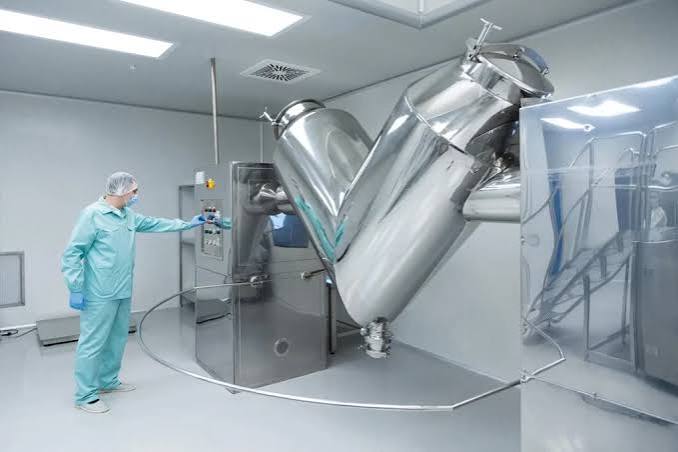
Global Market Demand and Emerging Opportunities
Sodium bicarbonate benefits from demand across several industries rather than relying on a single end-use market. Food manufacturing, animal nutrition, pharmaceuticals, detergents and environmental treatment all contribute to its commercial importance.
According to the October 2023 Chemical Economics Handbook abstract published by S&P Global, China remained the world's largest producer and consumer of sodium bicarbonate in 2023. Western Europe and North America also represented major production regions. The report identifies animal feed, food, household applications, flue gas treatment, detergents and pharmaceutical uses among the major consumption areas.
S&P Global
Environmental Applications Create New Demand
Industrial emission-control requirements create opportunities for sodium bicarbonate suppliers. Facilities using dry sorbent injection systems require suitable material to neutralize acidic gases.
Suppliers that can provide consistent industrial-grade powder and reliable technical documentation may benefit from relationships with environmental technology companies and industrial treatment contractors.
Growth Across Food and Pharmaceutical Supply Chains
Food processing and pharmaceutical manufacturing require reliable chemical inputs with controlled specifications. These industries create opportunities for distributors that can maintain product quality, traceability and dependable delivery schedules.
Buyers often value consistent specifications and documentation alongside competitive pricing, particularly when chemical ingredients enter regulated production environments.
Opportunities for Regional Chemical Traders
Importers and distributors can develop commercial opportunities by supplying sodium bicarbonate to:
Commercial bakeries and food ingredient manufacturers.
Pharmaceutical and healthcare manufacturers.
Industrial cleaning product producers.
Water treatment companies.
Animal feed manufacturers.
Environmental engineering and emissions-control contractors.
Building relationships with multiple customer segments can help distributors reduce dependence on a single industry.
Factors Affecting Sodium Bicarbonate Prices and Supply
Sodium bicarbonate prices depend on production economics, raw material availability, transportation costs and market demand. Buyers should evaluate these factors before negotiating long-term contracts or placing bulk orders.
Raw Material and Manufacturing Costs
Soda ash and carbon dioxide represent important inputs in sodium bicarbonate production. Changes in their availability or cost can influence manufacturing expenses.
Energy consumption, labour, plant efficiency and packaging requirements also contribute to the final selling price. Manufacturers with efficient production systems may maintain stronger pricing positions when operating costs increase.
International Logistics and Freight
International sourcing introduces additional cost considerations. Freight charges, port handling, container availability and inland transportation can influence the landed cost of imported sodium bicarbonate.
Importers should compare quotations using consistent delivery terms and calculate the full landed cost rather than selecting suppliers based only on the lowest product price.
Demand from Multiple Industries
Demand changes across food processing, environmental treatment and industrial manufacturing can affect purchasing patterns. Seasonal bakery production, changes in industrial activity and new environmental projects may influence order volumes.
Procurement teams should monitor customer requirements and maintain appropriate inventory levels to avoid unnecessary storage costs or supply interruptions.
Quality Grades and Procurement Requirements
Not every sodium bicarbonate product suits every industrial application. Buyers should identify the required grade before requesting quotations because purity, particle size and documentation can differ between suppliers.
Food and Pharmaceutical Grades
Food-grade sodium bicarbonate requires suitable purity and contaminant controls for food manufacturing. Pharmaceutical applications may require additional specifications and documentation based on the intended use and applicable regulatory standards.
Buyers should request:
Certificate of Analysis (COA).
Safety Data Sheet (SDS).
Technical Data Sheet (TDS).
Relevant food or pharmaceutical compliance documentation.
Batch identification and traceability information.
Industrial Grade
Industrial-grade sodium bicarbonate serves applications such as wastewater treatment, cleaning formulations and flue gas treatment.
Buyers should evaluate particle size, chemical purity, moisture content and physical consistency. Fine powder may suit certain gas treatment systems, while other processes may require different particle characteristics.
Packaging and Storage
Sodium bicarbonate generally requires protection from moisture during storage and transportation. Exposure to humid conditions can affect its physical condition and handling characteristics.
Procurement managers should consider:
Moisture-resistant packaging.
Properly sealed bags or bulk containers.
Dry and ventilated warehouse conditions.
Protection from contamination.
Clear batch identification.
Suitable handling procedures during loading and unloading.
Correct storage practices help preserve product quality throughout the supply chain.
Sourcing Strategies for Importers and Distributors
International buyers should approach sodium bicarbonate procurement with a focus on supplier reliability, technical suitability and total purchasing costs.
Evaluate Suppliers Beyond Price
A competitive quotation does not automatically represent the best purchasing option. Buyers should assess manufacturing capability, product consistency, export experience and the supplier's ability to meet delivery commitments.
Request product samples when necessary and compare them against the specifications required by the receiving facility.
Compare Origin and Supply Reliability
China is a major production and consumption centre for sodium bicarbonate, while other established production regions also contribute to global supply. Buyers should compare available origins based on freight routes, product specifications, supplier capacity and landed costs.
Maintaining relationships with more than one qualified supplier can reduce dependence on a single source.
Plan Bulk Purchasing Carefully
Bulk procurement may help manufacturers secure consistent supply and improve purchasing efficiency. However, excessive inventory can increase warehousing costs and create handling challenges.
Buyers should align purchase quantities with actual consumption, production schedules and expected delivery times. Long-term supply agreements can also help establish more predictable purchasing arrangements.
What Buyers Should Do Now
Sodium bicarbonate offers commercial opportunities across food production, pharmaceuticals, chemical manufacturing, water treatment and environmental management. Its diverse applications make it a relevant product for chemical distributors and international procurement teams serving multiple industries.
For buyers, successful sourcing depends on matching the correct grade with the intended application. Food and pharmaceutical manufacturers should prioritize purity and compliance, while industrial consumers should focus on particle size, chemical performance and process compatibility.
Importers should also compare supplier reliability, packaging standards, shipping costs and documentation before confirming bulk orders. Building a diversified supplier network can improve supply continuity and support long-term customer relationships.
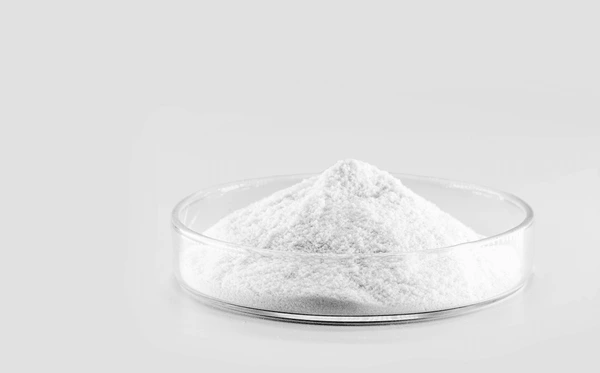
Sodium Bicarbonate Food Grade (E500(ii))
Found this useful?