Sodium Borate: Uses in Detergents, Glass and Agriculture
Sodium borate plays an important role in several industrial sectors, including detergent manufacturing, glass production and agriculture. Commonly associated with borax, this boron-based compound provides useful chemical properties such as water softening, pH buffering and fluxing capabilities.
Manufacturers use different sodium borate forms depending on their production requirements. These include anhydrous sodium tetraborate, borax pentahydrate and borax decahydrate. Each form has different water content and physical characteristics, making grade selection important for industrial applications.
For chemical traders, procurement managers and industrial buyers, sodium borate offers opportunities across multiple manufacturing markets. Understanding its functions, product specifications and supply requirements helps businesses select suitable grades and maintain consistent production quality.
What Is Sodium Borate and How Is It Produced?
Sodium borate refers to a group of sodium-based boron compounds, with sodium tetraborate being one of the most commercially important forms. Borax is a common name for hydrated sodium tetraborate, particularly sodium tetraborate decahydrate, which has the chemical formula Na₂B₄O₇·10H₂O.
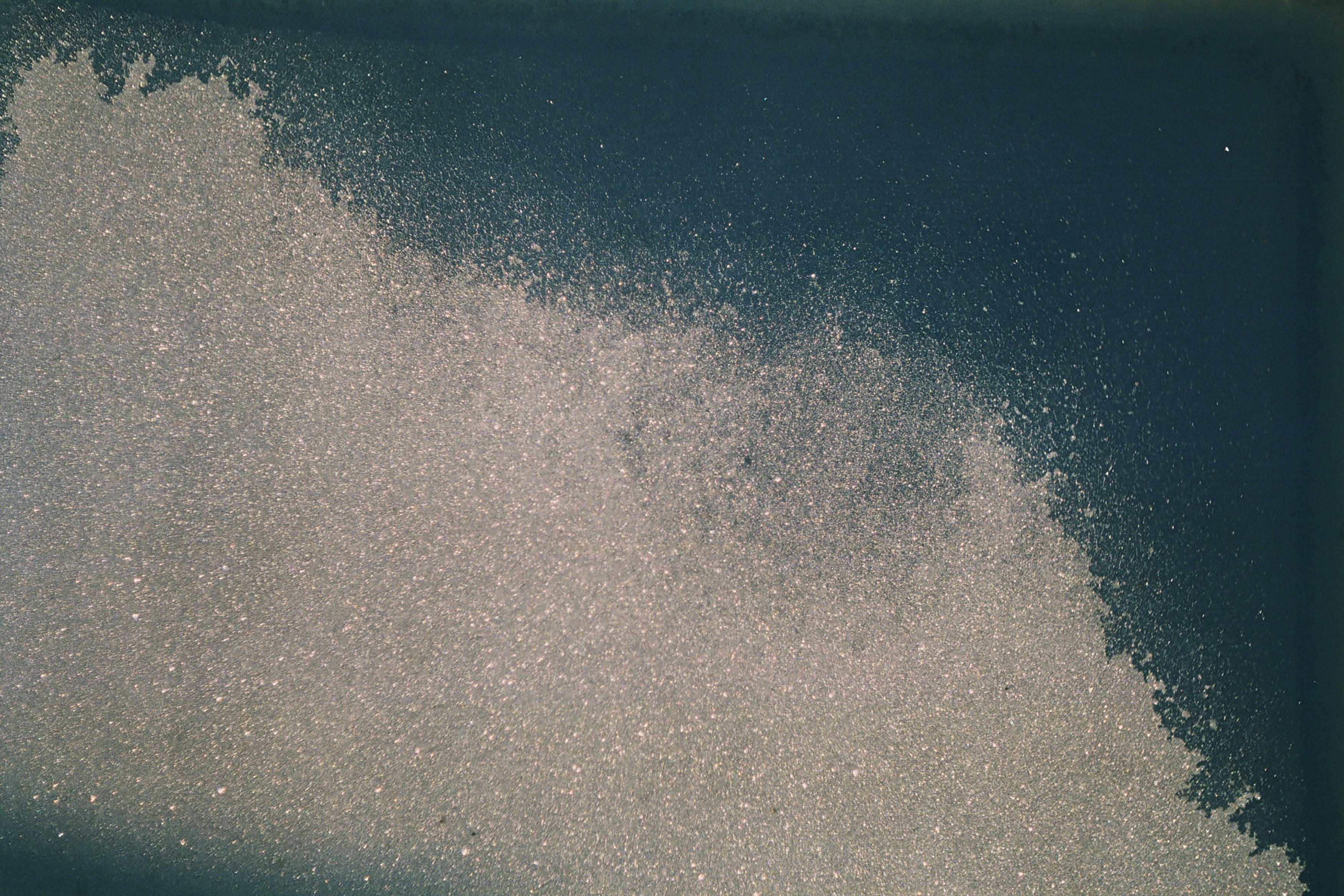
The material generally appears as a white crystalline powder or granular solid. It dissolves in water and produces mildly alkaline solutions, making it useful in cleaning formulations and several industrial processes.
Commercial Production Process
Manufacturers obtain sodium borate through the processing of naturally occurring borate minerals and mineral-rich brines. Production methods depend on the mineral source and the required commercial grade.
A typical manufacturing process involves:
Mineral extraction: Borate-containing minerals are obtained from deposits or suitable natural brines.
Dissolution: The raw material enters controlled processing systems to separate soluble borates from unwanted mineral components.
Purification: Filtration and chemical treatment remove impurities.
Crystallisation: Controlled cooling and concentration produce the required sodium borate crystals.
Drying and grading: Manufacturers adjust moisture content and particle size according to the intended commercial form.
The final product may undergo further processing to produce pentahydrate or anhydrous grades.
Important Chemical Properties
Several characteristics explain the industrial importance of sodium borate:
Water solubility: Supports its use in detergents, cleaners and aqueous industrial formulations.
Alkalinity: Helps maintain suitable pH conditions in selected cleaning products.
Buffering capacity: Helps stabilise pH during manufacturing and formulation processes.
Fluxing behaviour: Supports melting and processing in glass, enamel and ceramic production.
Boron content: Provides an essential micronutrient source for agricultural fertilizers.
These properties allow manufacturers to use sodium borate in different formulations without relying on a single industrial function.
Brenntag+2
Major Applications of Sodium Borate in Detergents
The detergent and cleaning industry uses sodium borate for its water-softening, buffering and cleaning-support properties. It helps manufacturers formulate products designed to remove dirt, manage mineral deposits and maintain consistent cleaning performance.
Water Softening and Cleaning Performance
Hard water contains dissolved minerals, particularly calcium and magnesium ions. These minerals can interfere with cleaning processes and reduce the effectiveness of certain detergent ingredients.
Sodium borate helps support cleaning formulations by interacting with water chemistry and improving overall formulation performance. Its use in combination with surfactants and other detergent ingredients can support better cleaning results.
Common applications include:
Laundry detergents: Used in selected powder and liquid formulations to support cleaning performance.
Household cleaners: Included in products designed for cleaning hard surfaces and removing dirt.
Industrial cleaning products: Used in specialised formulations for equipment and manufacturing environments.
Cleaning powders: Contributes to the chemical balance and functional properties of powdered products.
The exact contribution depends on the formulation and the other ingredients used.
pH Control and Formulation Stability
Sodium borate provides buffering properties that help maintain a controlled pH in cleaning products. Stable pH conditions matter because detergent ingredients perform differently depending on the acidity or alkalinity of the formulation.
Borates can also support emulsification of oils and help control viscosity in selected cleaning systems. Manufacturers use these properties when developing laundry products, surface cleaners and specialised industrial detergents.
Role in Bleaching and Cleaning Formulations
Sodium borate also serves as an important chemical intermediate in the production of sodium perborate, an oxygen-based bleaching compound.
Sodium perborate releases hydrogen peroxide under suitable conditions and has applications in laundry bleaching and cleaning products. This connection creates an additional industrial market for sodium borate beyond its direct use in detergent formulations.
Sodium Borate Uses in Glass and Ceramic Manufacturing
Glass manufacturing represents one of the most important markets for boron compounds. Sodium borate supplies boron oxide during high-temperature processing, helping manufacturers control melting behaviour and improve the properties of finished glass products.
Borosilicate Glass Production
Borosilicate glass contains silica and boron oxide as important components. Manufacturers use this glass where thermal resistance, chemical durability and dimensional stability matter.
Sodium borate serves as a raw material for introducing boron into suitable glass formulations.
Major applications include:
Laboratory glassware: Used in beakers, test tubes and laboratory containers that require thermal and chemical resistance.
Heat-resistant cookware: Supports the manufacture of glass products designed to withstand temperature changes.
Pharmaceutical containers: Used in specialised glass packaging requiring suitable chemical durability.
Industrial glass equipment: Supports products exposed to demanding operating conditions.
The amount of sodium borate required depends on the desired glass composition and manufacturing process.
Fibreglass and Glass Wool
Sodium borate also supports fibreglass manufacturing, particularly in glass formulations used for insulation and reinforcement.
Glass fibres serve important functions across construction, automotive and industrial manufacturing.
Common applications include:
Thermal insulation: Glass wool helps reduce heat transfer in buildings and industrial facilities.
Acoustic insulation: Fibreglass materials help control noise in commercial structures.
Plastic reinforcement: Glass fibres strengthen composite materials used in automotive components, pipes and industrial equipment.
Industrial textiles: Specialised glass fibres provide reinforcement in technical applications.
Boron oxide helps influence glass melting behaviour and viscosity, supporting the production of consistent glass fibres.
Ceramic Glazes and Enamels
Ceramic and enamel manufacturers use sodium borate in selected frit and glaze formulations. It acts as a flux, helping ingredients melt and form a smooth glass-like coating during firing.
Its applications include ceramic tiles, decorative pottery, enamel-coated appliances and industrial surface coatings.
Sodium borate can help manufacturers achieve:
Improved glaze formation.
Controlled melting behaviour.
Smooth surface finishes.
Suitable thermal expansion characteristics.
Better durability in selected coating systems.
These benefits make sodium borate useful for manufacturers producing ceramic and enamel products for construction and consumer markets.
IBM+2
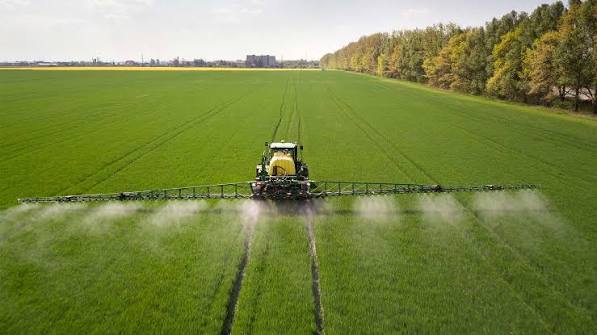
Agricultural Applications of Sodium Borate
Boron is an essential micronutrient for plant growth. It supports cell wall development, reproductive processes and the movement of sugars within plants.
Sodium borate provides a source of boron for agricultural fertilizer formulations, particularly products designed to address boron deficiencies in soil.
Boron-Based Fertilizers
Fertilizer manufacturers incorporate sodium borate into micronutrient blends and specialised agricultural products.
These formulations help supply boron to crops that require appropriate micronutrient levels for healthy development.
Common agricultural applications include:
Micronutrient fertilizers: Supplies boron as part of blended fertilizer formulations.
Soil amendments: Helps correct boron deficiencies in agricultural soils.
Foliar fertilizers: Certain soluble borate formulations supply boron through plant leaves.
Specialty crop nutrition: Supports fertilizer programs for crops with specific boron requirements.
Importance of Boron in Crop Development
Boron contributes to several important plant functions. It supports cell wall formation, growing tissues and reproductive development.
Adequate boron availability can help plants maintain healthy growth and improve the development of flowers, pollen and seeds.
However, agricultural manufacturers and farmers must manage application rates carefully. The difference between adequate boron nutrition and excessive exposure can be small, and excess boron can damage crops.
Crop and Soil Compatibility
The suitability of sodium borate depends on soil conditions, crop requirements and existing micronutrient levels.
Agricultural buyers should consider:
Soil boron concentration.
Crop-specific nutrient requirements.
Fertilizer solubility and formulation.
Application method and dosage.
Irrigation water quality.
Soil testing and appropriate fertilizer recommendations help prevent unnecessary applications and potential crop toxicity.
Other Industrial Applications of Sodium Borate
Beyond detergents, glass and agriculture, sodium borate serves several specialised manufacturing and processing industries.
Metalworking and Welding
Sodium borate functions as a flux in selected welding, brazing and soldering operations. It helps dissolve or remove metal oxides from surfaces, supporting cleaner joining processes.
Metalworking manufacturers use borax-based fluxes when working with certain metals and alloys. Its fluxing properties also make it useful in selected metallurgical applications.
Wood Preservation and Fire Protection
Borate compounds are used in selected wood preservation and fire-retardant treatments. They can help protect timber and cellulose-based materials against certain fungi and insect pests.
Manufacturers incorporate borates into specialised treatments for wood products, construction materials and textiles. The effectiveness depends on the formulation, application method and exposure conditions.
Chemical Manufacturing
Sodium borate serves as a raw material in the production of other boron compounds, including sodium perborate and specialised borate derivatives.
These intermediates support manufacturing applications across cleaning products, industrial chemicals and selected specialty formulations.
DCCEEW+2
Quality Standards and Procurement Considerations
Selecting the correct sodium borate grade is essential for maintaining manufacturing efficiency and product consistency. Different industries require specific hydration levels, purity standards and physical characteristics.
Selecting the Appropriate Grade
Procurement teams should evaluate the following specifications before placing orders:
Chemical composition: Confirm whether the product is anhydrous, pentahydrate or decahydrate sodium borate.
Purity: Check the sodium tetraborate content and relevant impurity limits.
Particle size: Select powder or granular material according to production equipment.
Moisture content: Verify that hydration and free moisture levels meet the required specification.
Solubility: Ensure the material performs appropriately in the intended formulation.
Packaging: Select suitable packaging for handling, transportation and storage.
These factors help manufacturers avoid formulation inconsistencies and unnecessary production adjustments.
Supplier Documentation and Quality Control
Chemical buyers should request technical documentation before approving a supplier.
Important documents include:
Technical Data Sheet (TDS): Provides chemical composition and physical specifications.
Safety Data Sheet (SDS): Explains safe handling, storage and transportation requirements.
Certificate of Analysis (COA): Confirms the quality of individual product batches.
Origin documentation: Helps verify the manufacturing source and import requirements.
Regular batch testing can further improve quality control for manufacturers purchasing sodium borate in bulk.
Storage and Transportation
Sodium borate should remain in suitable sealed packaging to prevent contamination and unwanted moisture exposure.
Procurement teams should consider the following storage practices:
Store products in clean, dry and well-ventilated warehouses.
Keep packaging sealed when material is not in use.
Avoid direct contact with incompatible materials.
Use clear batch identification and inventory records.
Inspect packaging before accepting imported shipments.
Proper storage helps maintain product quality and supports reliable manufacturing operations.
Market Outlook and Future Opportunities
Sodium borate demand is connected to the performance of several industries, particularly glass manufacturing, cleaning products and agricultural inputs.
The expansion of construction activity supports demand for insulation glass, fibreglass and ceramic materials. These industries continue to require raw materials that help manufacturers achieve specific thermal, chemical and physical properties.
Growth in Industrial Glass Production
Borosilicate glass, glass fibres and specialised industrial glass remain important applications for boron compounds.
Construction insulation, automotive composites and technical glass products create opportunities for sodium borate suppliers serving industrial manufacturers.
Demand for Advanced Cleaning Formulations
Detergent manufacturers continue to develop products with improved cleaning performance and formulation stability. Borates can contribute through buffering, water-softening and other formulation functions.
However, manufacturers must consider local regulations and alternative ingredients when developing products for different markets.
Agricultural Micronutrient Opportunities
Agricultural demand for specialised fertilizers creates opportunities for suppliers of boron-based raw materials.
Fertilizer manufacturers require consistent chemical specifications and suitable formulations to address crop-specific micronutrient requirements. Accurate application and quality control remain important because excessive boron can negatively affect crop development.
Key Considerations for Global Chemical Buyers
Sodium borate is a versatile industrial chemical with applications extending across detergents, glass, ceramics and agricultural manufacturing. Its water-softening, buffering, fluxing and micronutrient properties make it valuable to manufacturers operating in different sectors.
For procurement professionals, choosing the correct hydration grade, checking product purity and verifying supplier documentation are essential purchasing priorities. Buyers should also compare packaging, delivery reliability and commercial terms when evaluating international suppliers.
Businesses that maintain consistent sourcing relationships can improve raw material availability and support long-term production requirements.
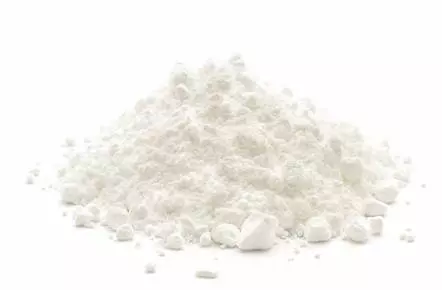
Borax Decahydrate (Technical Grade) - Argentina
Found this useful?