Sodium Silicate: Uses in Detergents, Construction and Industrial Manufacturing
Sodium silicate is an important industrial chemical that supports manufacturing processes across detergents, construction materials, adhesives, water treatment and chemical production. Commonly known as water glass, it offers useful binding, cleaning, corrosion-control and chemical stabilization properties.
Its versatility comes from its ability to form different products with varying ratios of sodium oxide and silicon dioxide. Manufacturers can adjust these ratios to achieve the physical and chemical characteristics required for specific applications.
For chemical traders, importers and procurement managers, sodium silicate represents an opportunity to serve several established industrial sectors. Understanding its grades, physical forms and technical specifications helps buyers identify suitable suppliers and make better purchasing decisions.
What Is Sodium Silicate and How Is It Manufactured?
Sodium silicate is a family of inorganic compounds containing sodium, silicon and oxygen. Its general chemical representation is Na₂O·nSiO₂, where the value of n indicates the ratio of silicon dioxide to sodium oxide.
Commercial sodium silicate is available as a clear or slightly cloudy liquid, white powder, flakes and glass-like solid lumps. The industry also refers to liquid sodium silicate as water glass.
Understanding the Silica-to-Alkali Ratio
The ratio between silicon dioxide (SiO₂) and sodium oxide (Na₂O) plays a major role in determining product performance.
A lower ratio generally produces a more alkaline product, which suits certain detergent and cleaning formulations. Higher ratios typically provide different binding, adhesive and silica-related properties.
Manufacturers select the appropriate ratio according to the intended application. Buyers should therefore avoid treating every sodium silicate grade as interchangeable.
How Manufacturers Produce Sodium Silicate
The conventional furnace process uses two important raw materials: silica sand and soda ash.
Manufacturers combine measured quantities of these materials and heat them at high temperatures, generally above 1,000°C. The reaction produces molten sodium silicate and releases carbon dioxide.
The molten material cools into a glass-like solid known as sodium silicate cullet. Manufacturers can sell this material in solid form, grind it into powder or dissolve it in hot water under controlled conditions to produce liquid sodium silicate.
Another production route uses silica and caustic soda instead of soda ash. Manufacturers may choose this process depending on the required product specifications and production setup.
Sodium Silicate+1
Sodium Silicate Applications in Detergents and Cleaning Products
Detergent manufacturing represents one of the most established application areas for sodium silicate. Its alkaline properties and ability to support cleaning formulations make it useful in household and industrial cleaning products.
Manufacturers incorporate sodium silicate into different formulations to improve cleaning performance and protect equipment during washing operations.
Improving Detergent Performance
Sodium silicate performs several functions in detergent formulations:
Alkalinity control: It helps maintain alkaline conditions that support the removal of certain types of dirt and grease.
Water conditioning: It helps manage the effects of dissolved minerals in cleaning systems.
Corrosion protection: It can help protect metal surfaces from corrosion under suitable formulation conditions.
Formulation stability: It contributes to the chemical balance and performance of selected cleaning products.
Builder functionality: It supports the overall cleaning action of detergent formulations.
Applications in Industrial Cleaning
Commercial laundries, institutional cleaning operations and industrial maintenance facilities use detergent formulations that may contain sodium silicate.
Industrial cleaning products often require stronger formulations to remove grease, oils and manufacturing residues. Sodium silicate can contribute alkalinity and help protect suitable metal surfaces during cleaning.
Its suitability depends on the complete formulation, operating temperature, water hardness and materials being cleaned.
Procurement Considerations for Detergent Manufacturers
Detergent producers should evaluate the silica-to-alkali ratio, concentration, viscosity and compatibility with other formulation ingredients.
Liquid sodium silicate can simplify handling in facilities equipped with liquid chemical dosing systems. Powdered or solid grades may suit manufacturers that prefer dry blending and controlled storage.
Sodium Silicate Uses in Construction and Building Materials
Construction offers another significant application area for sodium silicate. Its ability to bind materials, react with selected compounds and form silica-based structures makes it useful in several building and infrastructure applications.
Concrete Hardening and Surface Treatment
Sodium silicate solutions can penetrate porous concrete surfaces and react with available calcium compounds to form calcium silicate hydrate products.
These reactions can help densify concrete surfaces and reduce surface dusting. Construction contractors use suitable silicate-based treatments for concrete floors, warehouses and industrial facilities.
However, application performance depends on concrete composition, surface preparation, product concentration and curing conditions.
Soil Stabilization and Waterproofing
Civil engineering projects may use sodium silicate solutions to improve soil stability and control water movement through selected ground formations.
When sodium silicate reacts with suitable hardening agents, it can form a gel-like structure that binds soil particles and reduces permeability.
Potential applications include:
Ground stabilization during infrastructure construction.
Sealing selected underground structures.
Controlling water seepage in certain foundations.
Supporting grouting operations.
Improving soil conditions for specific engineering projects.
Construction Adhesives and Binding Materials
Sodium silicate also serves as a binder in selected construction and industrial products. Manufacturers use it in applications involving refractory materials, foundry operations and other heat-resistant products.
Its binding behaviour makes it useful where inorganic materials require cohesion and resistance to particular operating conditions.
Industrial Manufacturing Applications Beyond Construction
Sodium silicate supports several manufacturing operations because it can function as a chemical intermediate, adhesive, binder and processing aid.
Paper and Pulp Manufacturing
Paper producers use sodium silicate in selected pulp and paper processes. It can support peroxide bleaching operations by helping stabilize bleaching chemistry under suitable process conditions.
Manufacturers may also use it in paper processing, deinking and adhesive applications.
Adhesives and Cardboard Production
Sodium silicate acts as an inorganic adhesive in paperboard and corrugated cardboard manufacturing.
Packaging manufacturers use silicate-based adhesives to bond paper surfaces and produce packaging structures. Its availability in liquid form also makes it suitable for automated adhesive application systems.
Foundry and Refractory Applications
Foundries use sodium silicate as a binder in selected sand-casting processes. It helps hold sand particles together to form moulds and cores that maintain their shape during metal casting.
Industrial manufacturers also use suitable silicate formulations in refractory materials and other products that require inorganic binding properties.
Water Treatment and Chemical Processing
Water treatment facilities use sodium silicate for corrosion control, metal stabilization and selected coagulation-related processes.
It can help form protective films on suitable metal surfaces in water distribution systems. Treatment operators may also use silicates to manage iron and manganese under appropriate water chemistry conditions.
Product Grades, Forms and Technical Specifications
Sodium silicate manufacturers offer different commercial forms to meet the requirements of various industries. Selecting the right form is essential because physical properties directly affect transportation, storage and production performance.
Liquid Sodium Silicate
Liquid sodium silicate is widely used in detergent manufacturing, adhesives, construction treatments and industrial processing.
Buyers should evaluate:
Solids content: Determines the concentration of active material in the solution.
Silica-to-sodium oxide ratio: Influences alkalinity and chemical performance.
Viscosity: Affects pumping, mixing and dosing requirements.
Specific gravity: Helps assess solution concentration and consistency.
Appearance: Provides an initial indication of product uniformity and contamination.
Liquid grades require suitable storage tanks and compatible pumping equipment.
Solid Sodium Silicate
Solid sodium silicate is available as glass-like lumps, flakes or powder. Manufacturers may dissolve these products to prepare solutions or use them directly in selected production processes.
Buyers should assess particle size, moisture content, solubility and packaging requirements before purchasing.
Sodium Metasilicate and Its Differences
Sodium metasilicate is a more specific sodium silicate compound with a silica-to-sodium oxide molar ratio of approximately 1:1.
It is commonly available in anhydrous and hydrated forms. Manufacturers use it in industrial cleaners, detergents and specialized chemical formulations.
Procurement managers should distinguish sodium metasilicate from general sodium silicate because their chemical compositions and applications differ.
Global Market Opportunities and Supply Chain Factors
Sodium silicate benefits from demand across multiple manufacturing sectors. Detergent producers, construction material manufacturers, packaging companies and water treatment operators all represent potential customer groups for suppliers and distributors.
The US Environmental Protection Agency identifies detergents, cleaning products and cardboard construction among the major applications of sodium silicate. Its supply chain profile also highlights adhesives, concrete manufacturing, soil stabilization and water treatment as additional uses.
Sodium Silicate
Opportunities for Chemical Traders
Importers and distributors can develop business relationships with several types of industrial customers:
Detergent manufacturers: Require suitable liquid or solid grades for cleaning formulations.
Construction chemical producers: Purchase silicate products for concrete treatments and specialized building materials.
Packaging manufacturers: Use liquid sodium silicate in selected cardboard adhesive applications.
Foundries: Require suitable binder grades for moulding and casting operations.
Water treatment companies: Purchase specific grades for corrosion control and water chemistry management.
Serving multiple industries can help distributors establish a broader customer base and reduce reliance on a single application sector.
Factors Affecting Supply and Purchasing Costs
Several factors influence sodium silicate procurement costs:
Raw material availability: Silica sand and soda ash are major inputs in conventional production. Changes in their availability and pricing can influence manufacturing costs.
Energy expenses: Furnace-based manufacturing requires high temperatures, making fuel and electricity important cost considerations.
Transportation requirements: Liquid sodium silicate requires suitable chemical tankers or compatible containers. Solid products may offer different shipping and storage advantages.
Product concentration: Buyers should compare prices against solids content and chemical specifications rather than comparing quotations on a simple per-tonne basis.
Packaging and handling: Drums, intermediate bulk containers and bulk tank deliveries can create different logistics costs.
Regional Sourcing and Supplier Selection
International buyers should compare suppliers based on production capacity, technical consistency, export experience and delivery reliability.
The most suitable supplier may not always offer the lowest initial quotation. A supplier with consistent specifications, proper documentation and dependable logistics can provide better long-term procurement value.
Storage, Handling and Quality Control Requirements
Sodium silicate requires appropriate storage and handling procedures because its alkaline properties and physical form can influence equipment compatibility and workplace safety.
Storage Recommendations
Liquid sodium silicate should remain in compatible storage systems designed for alkaline chemical solutions. Suitable materials can include certain grades of steel, polyethylene and fibreglass-reinforced plastic, depending on the product specification.
Solid sodium silicate should remain in dry, sealed packaging to limit moisture exposure and contamination.
Procurement teams should consider:
Using compatible storage tanks and containers.
Preventing contamination during loading and unloading.
Maintaining dry storage conditions for solid products.
Following supplier instructions for temperature and storage.
Providing appropriate personal protective equipment.
Keeping Safety Data Sheets accessible to warehouse personnel.
Quality Documentation
Before confirming a purchase, buyers should request a Certificate of Analysis (COA), Safety Data Sheet (SDS) and Technical Data Sheet (TDS).
These documents help verify the product's composition, handling requirements and suitability for the intended industrial process.
For bulk purchasing, buyers should also establish acceptable specification limits and batch inspection procedures.
What Procurement Teams Should Prioritize
Sodium silicate offers opportunities across detergents, construction and industrial manufacturing, but successful purchasing requires a clear understanding of application-specific requirements.
Buyers should begin by identifying the required physical form and silica-to-alkali ratio. They should then compare concentration, viscosity, packaging and technical documentation across qualified suppliers.
Importers should also calculate the complete landed cost, including freight, handling, storage and inland transportation. For liquid products, compatibility with existing storage and dosing equipment deserves particular attention.
Developing relationships with reliable manufacturers and maintaining alternative supply options can help distributors manage procurement risks and serve customers more consistently.
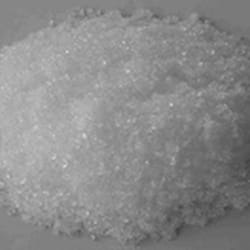
Soda Ash Dense - India
Found this useful?