
Sodium Sulphate: Industrial Applications and International Trade Trends
Sodium sulphate plays an important role in several established manufacturing industries, from household detergent production to glassmaking, textile processing and paper manufacturing. Its broad industrial utility and availability from both natural mineral deposits and chemical production by-products make it an important material for international chemical buyers.
For procurement managers, importers and distributors, sodium sulphate offers a market shaped by industrial consumption, production economics, product specifications and cross-border logistics. Understanding how manufacturers use this inorganic salt and how suppliers serve different regions can help buyers evaluate sourcing opportunities, maintain consistent supply and manage purchasing costs.
As international trade connects producers with industrial consumers, buyers need to consider more than the quoted price per tonne. Product purity, moisture content, packaging, freight costs and the intended application all influence the commercial value of a sodium sulphate shipment.
What Is Sodium Sulphate and How Is It Produced?
Sodium sulphate, also called sodium sulfate, is an inorganic compound with the chemical formula Na₂SO₄. It commonly appears as a white crystalline solid or powder and serves as a functional raw material in several industrial processes.
Manufacturers obtain sodium sulphate through two main routes:
Natural production: Producers extract sodium sulphate from mineral deposits, crystalline evaporite formations and naturally occurring brines. Processing separates the salt from other minerals and impurities.
By-product recovery: Chemical manufacturers recover sodium sulphate from certain industrial processes. The resulting material can enter commercial markets when its quality meets the requirements of downstream users.
U.S. Geological Survey+1
These production routes influence the economics of supply. Natural producers depend on deposit quality, extraction methods and processing requirements, while by-product suppliers face different cost structures linked to their primary manufacturing operations.
Buyers should also distinguish between anhydrous sodium sulphate and hydrated forms such as sodium sulphate decahydrate, commonly known as Glauber's salt. The forms differ in water content and physical properties, so procurement teams should specify the required grade rather than relying on the chemical name alone.
Major Industrial Applications Driving Sodium Sulphate Demand
Sodium sulphate serves multiple industries, although its importance varies by manufacturing process and product formulation.
Detergents and household cleaning products
Powdered laundry detergent manufacturers use sodium sulphate primarily as a filler that contributes bulk and helps manufacturers formulate products with consistent physical properties. Its suitability depends on the formulation, required whiteness and acceptable impurity levels.
Changes in consumer preferences can affect this market. Liquid detergents and concentrated formulations generally require less of the filler used in conventional powders, making detergent product mix an important factor for suppliers to monitor.
Textile dyeing and finishing
Textile manufacturers use sodium sulphate as a processing aid in certain dyeing operations. It helps control dye behaviour in the dye bath and supports more consistent colour application under suitable process conditions.
Demand therefore connects with textile production volumes, dyeing capacity and activity in major textile manufacturing centres. Buyers serving this sector should confirm that the supplied grade meets the customer's process specifications.
Glass manufacturing
Glass producers use sodium sulphate as a fining agent during melting. It supports the removal of small air bubbles from molten glass and helps manufacturers achieve the required quality in finished products.
HWB+1
The application connects sodium sulphate demand with container glass, flat glass and other glass manufacturing activities. Purchasing requirements can vary according to furnace operations, product specifications and the manufacturer's established process.
Pulp and paper production
The Kraft pulping process uses sodium sulphate as an input in the chemical recovery cycle. The process converts it into sodium sulphide, which helps break down lignin and separate cellulose fibres during pulp production.
Paper industry demand depends on mill output, operating rates and the efficiency of chemical recovery systems. Because mills manage several process chemicals simultaneously, supply reliability and consistent specifications can matter as much as the initial purchase price.
Other applications include selected chemical processes, cellulose sponge manufacturing and certain metallurgical operations. These smaller or specialised uses create additional outlets for suppliers with suitable grades.
International Sodium Sulphate Trade: Exporters and Importers
International trade helps connect sodium sulphate producers with manufacturers that lack sufficient local production or need additional supply. Export opportunities depend on available production volumes, product quality, transport economics and the requirements of importing industries.
World Bank WITS data based on UN Comtrade records for 2024 provides a useful snapshot of trade in the category sodium sulphates excluding disodium sulphate, classified under HS code 283319. The reported leading exporters included:
United States: Approximately US$24.80 million in exports, representing around 91,987 tonnes.
Tunisia: Approximately US$6.61 million, with reported exports of around 16,255 tonnes.
Türkiye: Approximately US$4.92 million, with reported exports of around 20,918 tonnes.
Indonesia: Approximately US$2.76 million, with reported exports of around 28,258 tonnes.
China: Approximately US$2.72 million, with reported exports of around 4,748 tonnes.
These figures illustrate the participation of several countries in international sodium sulphate trade. However, the figures cover a specific customs classification and should not be interpreted as a complete ranking of every sodium sulphate form or grade.
On the import side, the same dataset identifies South Africa, France, Canada, Morocco and Algeria among the leading importers by reported trade value in 2024. South Africa recorded approximately US$16.52 million in imports, while France and Canada each recorded around US$9 million.
For traders, these flows highlight potential commercial connections between exporting regions and industrial consumers. Nevertheless, a country's reported trade value does not automatically indicate an attractive opportunity for every supplier. Buyers must assess the actual product category, destination demand, freight routes and local competition before entering a market.
What Influences Sodium Sulphate Prices and Supply?
Sodium sulphate prices reflect the relationship between available supply, industrial demand and the cost of delivering material to the customer. The balance can differ significantly between domestic markets and import-dependent regions.
Several factors influence purchasing costs:
Production method: Natural extraction and by-product recovery involve different cost structures. Changes in the operating conditions of a primary chemical plant can affect the availability of by-product sodium sulphate.
Industrial demand: Orders from detergent, textile, glass and pulp manufacturers influence purchasing volumes. Changes in production activity across these sectors can alter regional demand.
Freight and port expenses: Ocean freight, inland transport, terminal charges and storage costs contribute to the delivered price. Buyers should compare quotations on equivalent delivery terms.
Product grade and purity: Industrial users may require specific limits for moisture, chloride, iron and other impurities. Higher specification requirements can narrow the range of suitable suppliers.
Currency movements and trade conditions: Exchange rates, customs duties and changes in import procedures can affect the final landed cost for international buyers.
Procurement teams should evaluate these factors together rather than selecting a supplier based solely on the lowest quoted price. A lower-priced shipment may offer limited savings if it requires additional processing, arrives late or fails to meet the buyer's specifications.
Supply Chain Risks and International Sourcing Challenges
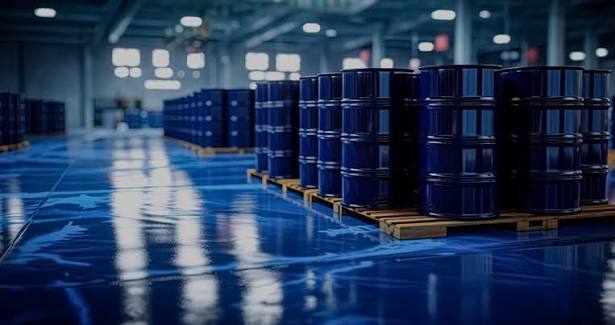
International sodium sulphate procurement requires coordination between the producer, exporter, freight provider, customs broker and receiving facility. Even when the chemical itself remains readily available, disruptions at any stage can affect delivery schedules and inventory planning.
Common sourcing challenges include:
Inconsistent specifications: Different producers may offer material with varying moisture levels, particle characteristics or impurity profiles. Buyers should establish written acceptance criteria before confirming an order.
Shipment delays: Port congestion, vessel schedule changes and inland transport constraints can push deliveries beyond the expected arrival date. Importers should build realistic lead times into their purchasing plans.
Supplier concentration: Dependence on one producer or export market can expose a buyer to operational interruptions. Qualified alternative suppliers provide flexibility when the primary source cannot meet demand.
Packaging and storage problems: Damaged packaging or moisture exposure during handling can compromise product condition. Buyers should confirm suitable packaging, dry storage arrangements and clear responsibilities for damaged shipments.
Documentation gaps: Incomplete commercial invoices, packing lists, certificates of analysis or other required documents can complicate customs clearance and goods acceptance.
A practical sourcing strategy starts with a clear product specification and a review of supplier capabilities. Buyers should request a recent certificate of analysis, technical data sheet and safety data sheet, then verify that the supplier can meet the required volume and delivery schedule.
For recurring requirements, procurement teams can also compare the cost and reliability of contracted supply against spot purchases. Contract arrangements may improve planning, while spot buying can offer flexibility when demand changes unexpectedly.
How Buyers Should Evaluate Sodium Sulphate Suppliers
Supplier selection should account for product suitability, commercial terms and the ability to maintain consistent deliveries. A quotation becomes more useful when buyers can compare each offer against the same technical and logistical requirements.
Before placing an order, procurement teams should review the following points:
1. Confirm the chemical form. Specify whether the application requires anhydrous sodium sulphate or a hydrated form, and identify any relevant grade requirements.
2. Set quality limits. Define acceptable purity, moisture, chloride content, iron content and other parameters relevant to the manufacturing process. Request supporting analytical documentation for the offered product.
3. Compare total landed costs. Evaluate the product price alongside freight, insurance, customs charges, handling fees and inland delivery expenses. Compare offers using the same delivery basis and currency assumptions.
4. Assess supplier reliability. Review production capacity, available inventory, previous delivery performance and the supplier's ability to support repeat orders.
5. Check packaging and shipment details. Confirm bag sizes, bulk packaging options, loading arrangements and protection against moisture during transit. Ensure that the receiving facility can handle the selected format.
6. Agree on inspection and acceptance procedures. Establish how the buyer will inspect incoming shipments, address specification deviations and document any quality claims.
A disciplined comparison process reduces avoidable purchasing risks and helps procurement teams distinguish between a competitive offer and a genuinely suitable supply arrangement.
Market Outlook: What Sodium Sulphate Buyers Should Watch
Sodium sulphate demand will continue to depend on the performance of its major industrial customers and the economics of available production. Detergent formulation changes, textile manufacturing activity, glass output and pulp production can all influence purchasing requirements.
Several developments deserve attention from buyers and distributors.
Shifts in detergent formulations: The balance between powdered, liquid and concentrated cleaning products can influence the amount of sodium sulphate required by detergent manufacturers. Suppliers serving this segment should monitor customer formulation changes and adjust inventory planning accordingly.
Industrial production and recovery efficiency: Glass furnaces, textile dyeing facilities and pulp mills have different consumption patterns. Changes in production rates or process efficiency can affect local buying requirements, creating opportunities for suppliers that understand their customers' operating needs.
Availability of by-product material: Sodium sulphate recovery depends partly on activity in the industries that generate it. Changes in those operations can influence the availability of recovered material, making it useful for buyers to understand whether a prospective supplier relies on natural deposits or a secondary production stream.
Regional trade and freight economics: Importers should continue comparing supply origins against shipping costs, lead times and local market conditions. An attractive export price does not always translate into the lowest delivered cost, particularly when inland transportation and port handling add substantially to the final expense.
For traders, the opportunity lies in matching suitable product grades with dependable demand rather than relying on trade statistics alone. Buyers that maintain alternative supply options, establish clear quality requirements and track total landed costs will be better positioned to respond to changing market conditions.
Building a Reliable Sodium Sulphate Procurement Strategy
Sodium sulphate remains an important industrial chemical because manufacturers use it across several established production processes. Its international trade network connects natural producers and chemical by-product suppliers with customers in detergent manufacturing, textiles, glassmaking and pulp and paper production.
For procurement teams, the strongest sourcing decisions combine technical suitability with commercial evaluation. Confirming the required grade, reviewing analytical documentation, comparing landed costs and maintaining reliable supplier relationships can help reduce purchasing uncertainty.
Chemical traders can also create value by understanding the specific needs of each customer segment. A detergent manufacturer may prioritise whiteness and low impurity levels, while a textile processor may focus on performance in its dyeing process and a glass producer may have requirements linked to furnace operations.
As regional supply conditions and industrial demand evolve, buyers should review sourcing arrangements regularly and avoid unnecessary dependence on a single supplier.

Sodium Sulphate Anhydrous
SOURCE LINK: https://pubchem.ncbi.nlm.nih.gov/
Found this useful?