Solvay's Weak Quarter Underscores Regulatory and Energy Cost Pressure on European Producers
Solvay's 19.5% decline in EBITDA highlights the difficult operating environment facing parts of the European chemical industry.
The weakness reflects pressure in soda ash markets alongside broader challenges affecting European producers, including elevated energy costs, subdued demand, and increasing regulatory requirements.
For food ingredient and specialty chemical markets, Solvay's results provide a useful indicator of how structural cost pressures can influence production economics, investment decisions, and supplier competitiveness.
What Solvay's Results Signal
Soda ash is a major industrial chemical with applications across glass, detergents, chemicals, and other manufacturing sectors.
A weak quarter in this business can provide insight into broader market conditions, particularly when demand and cost pressures occur simultaneously.
Solvay's EBITDA decline highlights several issues:
Weaker market conditions
Pressure on chemical margins
Higher European operating costs
Energy-cost exposure
Regulatory requirements
Continued pressure on industrial demand
The combination is particularly challenging for producers operating older or energy-intensive assets.
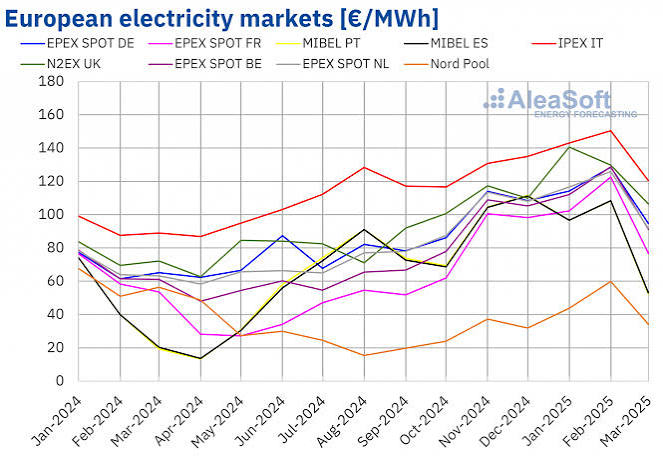
European Energy Costs Remain a Structural Issue
Energy represents a major cost for many European chemical producers.
Higher electricity and natural-gas costs can affect:
Production margins
Capacity utilization
Plant competitiveness
Investment decisions
Product pricing
Long-term asset economics
European producers can therefore face difficulties competing with plants located in regions where energy or feedstock costs are structurally lower.
Regulatory Costs Add to the Pressure
Energy is not the only challenge.
Chemical producers must also allocate resources to increasingly complex regulatory requirements covering:
Environmental compliance
Chemical management
Emissions
Product stewardship
Testing
Documentation
Waste management
Facility upgrades
Regulatory reporting
For commodity chemicals, where differentiation is often limited, additional compliance costs can be particularly difficult to recover through pricing.
Soda Ash and Downstream Markets
Soda ash sits at an important point in several industrial supply chains.
Its major applications include:
Glass manufacturing
Detergents
Chemical production
Water treatment
Industrial processing
Changes in soda ash production economics can therefore provide a useful signal for downstream manufacturers.
For food-related industries, the connection is more indirect but still relevant through packaging, processing, utilities, and broader chemical input costs.
Implications for Food Ingredients
Food ingredients operate in a different market from soda ash, but the underlying cost pressures can overlap.
Ingredient manufacturers may also face rising costs associated with:
Energy
Utilities
Raw materials
Packaging
Transportation
Environmental compliance
Regulatory documentation
This can particularly affect European producers competing with suppliers from lower-cost manufacturing regions.
Specialty Ingredients May Offer Greater Resilience
The Solvay example also reinforces the strategic difference between commodity and specialty chemical businesses.
Specialty ingredients can potentially offer greater resilience because customers may value:
Technical performance
Formulation support
Consistent quality
Regulatory expertise
Application knowledge
Supply reliability
These factors can provide suppliers with greater pricing differentiation than standardized commodity chemicals.

Competitive Intelligence
Solvay's performance can be used as one indicator when assessing European chemical competitiveness.
Companies should monitor:
1. EBITDA and Margins
Track whether earnings pressure is temporary or becoming structural.
2. Energy Costs
Compare European energy economics with competing production regions.
3. Capacity Utilization
Lower operating rates can indicate persistent demand weakness.
4. Plant Rationalization
Closures or production reductions can signal deteriorating asset economics.
5. Capital Investment
New investment can indicate where companies still see competitive advantages.
6. Regulatory Spending
Increasing compliance-related expenditure can influence future production costs.
Procurement Considerations
Food ingredient buyers should avoid evaluating European suppliers on price alone.
Important factors include:
Manufacturing location
Energy exposure
Production capacity
Supplier financial health
Regulatory documentation
Inventory availability
Lead times
Geographic diversification
Backup supply options
A supplier offering a slightly higher price may still provide better total value if it offers stronger supply security and regulatory support.
Products Relevant to This Trend
The broader European cost environment can influence sourcing economics for food ingredients such as:
Citric Acid
Glycerin
Sorbitol

Sorbitol Powder (E420(i))
Propylene Glycol
Xanthan Gum
Sodium Benzoate
For these products, buyers should compare total delivered cost rather than relying solely on the quoted product price.
Looking Ahead
Solvay's 19.5% EBITDA decline illustrates how weak demand and soda ash market conditions can compound the structural challenges already facing European chemical producers.
The broader issue is whether Europe's higher energy and regulatory costs remain temporary obstacles or become a lasting disadvantage for certain chemical assets.
For food ingredient markets, this distinction matters because sustained cost pressure could encourage greater geographic diversification, additional capacity rationalization, and increased investment in specialty products.
For procurement teams, monitoring European chemical-company earnings alongside energy costs, capacity changes, regulatory developments, and supplier investments can provide an early indication of future ingredient supply and pricing conditions.
Key Takeaways
Solvay's 19.5% EBITDA decline highlights continued pressure on parts of the European chemical sector.
Soda ash weakness is contributing to the company's earnings pressure.
High energy costs remain a structural competitiveness issue for European producers.
Increasing regulatory complexity adds another layer of operating cost.
Commodity producers may be more exposed because pricing differentiation is limited.
Specialty and formulation-intensive ingredients may offer greater resilience.
Food ingredient buyers should monitor European manufacturing economics and diversify sourcing where appropriate.
Found this useful?