Sorbitol vs Erythritol vs Xylitol: How to Choose the Right Sugar Alcohol for Your Application
Sorbitol vs Erythritol vs Xylitol: How to Choose the Right Sugar Alcohol for Your Application
Sugar alcohols, also known as polyols, have become essential ingredients across modern food manufacturing because they deliver sweetness while contributing additional functional benefits such as moisture retention, texture improvement and calorie reduction. Although sorbitol, erythritol and xylitol often compete within similar product categories, each ingredient offers distinct technical properties that influence formulation performance and procurement strategy.
For procurement professionals, selecting the appropriate polyol extends beyond sweetness or ingredient cost. Regulatory approvals, digestive tolerance, production methods, functionality and supply chain reliability all influence purchasing decisions. Understanding these differences allows buyers to select ingredients that meet both commercial objectives and formulation requirements while maintaining consistent product quality.
Understanding the Role of Sugar Alcohols
Sugar alcohols are carbohydrate-based ingredients that provide sweetness while performing multiple technical functions within finished products.
Unlike conventional sugars, many polyols contribute fewer calories, support sugar reduction strategies and improve product stability. Their versatility has expanded their use well beyond confectionery into pharmaceuticals, oral care products and nutritional formulations.
Common applications include:
Sugar-free confectionery.
Reduced-calorie beverages.
Bakery products.
Chewing gum.
Pharmaceutical syrups.
Toothpaste and oral care products.
Nutritional supplements.
Each application requires careful ingredient selection because different polyols provide different functional advantages.
Sorbitol Delivers Excellent Humectant Performance
Sorbitol is produced through the hydrogenation of glucose and remains one of the most widely used sugar alcohols in the food industry.
While it contributes moderate sweetness, manufacturers frequently choose sorbitol because of its outstanding moisture management properties rather than sweetness alone.
Its key functional benefits include:
Excellent humectancy.
Moisture retention.
Improved texture stability.
Reduced product drying.
Extended shelf life in selected formulations.
These characteristics make sorbitol particularly valuable in baked goods, confectionery, soft fillings and pharmaceutical products where moisture control directly affects product quality.
Erythritol Supports Reduced-Calorie Formulations
Erythritol has become one of the fastest-growing polyols due to its unique metabolic characteristics.
Unlike many other sugar alcohols, erythritol is produced through yeast fermentation and is largely excreted by the body rather than metabolized. This results in a near-zero caloric contribution, making it an attractive option for reduced-calorie and sugar-free products.
Manufacturers often select erythritol because it offers:
Very low caloric contribution.
Clean sweetness profile.
Good compatibility with high-intensity sweeteners.
Strong consumer recognition.
Growing acceptance in reduced-sugar formulations.
Its production through fermentation also aligns with increasing industry interest in biotechnology-derived food ingredients.
Xylitol Offers Functional Benefits Beyond Sweetness
Xylitol differs from both sorbitol and erythritol in both production and application focus.
Commercial xylitol is commonly produced through hydrogenation of xylose obtained from birchwood pulp or agricultural residues. In addition to sweetness, xylitol is well known for its anti-cariogenic properties, making it particularly valuable in oral health products.
Typical applications include:
Sugar-free chewing gum.
Dental care products.
Breath fresheners.
Pharmaceutical lozenges.
Functional confectionery.
Its association with dental health has supported continued demand across food and personal care markets.
Procurement Decisions Require More Than Sweetness Comparisons
Although all three ingredients belong to the sugar alcohol family, they perform differently in commercial formulations.
Selecting the appropriate polyol depends on balancing several technical and commercial considerations rather than comparing sweetness alone.
Procurement teams should evaluate:
Intended application.
Functional performance requirements.
Regulatory acceptance in target markets.
Digestive tolerance at planned usage levels.
Manufacturing compatibility.
Long-term supplier reliability.
Overall formulation cost.
Considering these factors early in product development helps avoid costly reformulation while improving commercial success.
Production Methods Influence Supply Chains
Each sugar alcohol follows a different manufacturing pathway, creating unique supply chain characteristics.
Sorbitol depends on glucose hydrogenation, linking production closely to starch processing industries. Erythritol relies on industrial fermentation technology, while xylitol production depends on xylose derived from wood pulp or agricultural biomass before hydrogenation.
These production differences influence:
Raw material availability.
Manufacturing costs.
Regional production capacity.
Supply chain resilience.
Long-term pricing trends.
Understanding these upstream factors helps procurement teams build more robust sourcing strategies while reducing exposure to supply disruptions.
Regulatory and Labeling Considerations
Although sorbitol, erythritol and xylitol are widely approved for use in food products, procurement teams should recognize that regulatory compliance extends beyond ingredient approval.
Labeling requirements, permitted applications and usage conditions vary between markets. Companies supplying multiple export destinations should verify that the selected polyol complies with the regulations applicable to each target country.
Important compliance considerations include:
Permitted food categories.
Maximum usage levels where applicable.
Ingredient declaration requirements.
Nutrition labeling obligations.
Claims related to sugar reduction or calorie reduction.
Product-specific regulatory guidance.
Early regulatory verification helps avoid reformulation costs and delays during product commercialization.
Supplier Qualification Should Focus on Performance Consistency
Selecting a supplier based solely on price can create long-term manufacturing challenges.
Because each polyol performs differently in processing, procurement teams should evaluate suppliers based on both commercial capability and technical consistency.
Key supplier assessment criteria include:
Batch-to-batch product consistency.
Manufacturing quality systems.
Food safety certifications.
Reliable production capacity.
Technical support.
Traceability documentation.
Long-term supply stability.
Strong supplier relationships improve production reliability while supporting consistent product quality across multiple manufacturing locations.
Cost Should Be Evaluated Alongside Functionality
Ingredient cost remains an important procurement consideration, but it should be assessed together with functional performance rather than in isolation.
A lower-cost polyol may increase overall production expenses if additional formulation adjustments become necessary or if product performance declines.
Procurement professionals should compare:
Sweetness contribution.
Moisture management.
Processing performance.
Digestive tolerance considerations.
Regulatory suitability.
Supply reliability.
Total formulation cost.
Evaluating the complete value proposition often leads to more effective long-term sourcing decisions.
Market Outlook for Polyols
Demand for sugar alcohols continues to expand as food manufacturers develop products with reduced sugar content while maintaining taste and texture.
Growth is expected across several sectors including functional foods, beverages, pharmaceuticals and personal care products.
Current market drivers include:
Consumer demand for lower-calorie products.
Expansion of sugar-free confectionery.
Growth in functional nutrition.
Increased interest in oral health products.
Continued innovation in food formulation.
Investment in fermentation and carbohydrate processing technologies.
As these markets expand, procurement teams should expect continued product innovation alongside greater supplier specialization.
What Procurement Teams Should Do Now
Sorbitol, erythritol and xylitol each provide valuable but distinctly different functional benefits. Sorbitol excels as a humectant and texturizer, erythritol supports reduced-calorie formulations through its unique metabolic profile and xylitol offers recognized dental health benefits that extend beyond sweetness.
For procurement professionals, selecting the correct polyol requires balancing functionality, regulatory compliance, digestive tolerance, production method and long-term supply reliability. No single ingredient represents the best solution for every application.
Successful sourcing begins with understanding formulation objectives, defining technical specifications and qualifying suppliers capable of delivering consistent product quality. Organizations that evaluate both commercial and functional performance will be better positioned to develop reliable products while maintaining efficient procurement strategies.
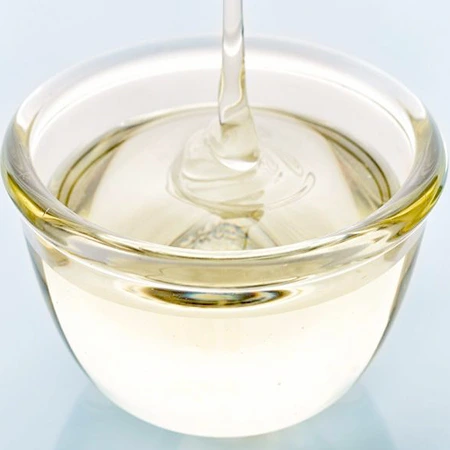
Sorbitol Liquid (E420(ii))
Found this useful?