South Korea's Pivot to High-Value API Manufacturing
South Korea is strengthening its position in the global pharmaceutical industry by expanding production of high-value active pharmaceutical ingredients (APIs). Rather than competing primarily on manufacturing costs, Korean pharmaceutical companies are investing in advanced technologies for RNA-based therapeutics, antibody-drug conjugates (ADCs), and peptide APIs—three of the fastest-growing segments in modern medicine.
This strategic shift reflects increasing global demand for complex biologics and precision medicines. By focusing on specialized pharmaceutical ingredients, South Korea aims to differentiate itself from traditional large-scale API producers while supporting innovation in oncology, rare diseases, and next-generation therapeutics.
For pharmaceutical manufacturers, procurement professionals, and biotechnology companies, South Korea's growing capabilities offer additional sourcing options for advanced pharmaceutical ingredients.

Why High-Value APIs Matter
High-value APIs require sophisticated manufacturing technologies, strict quality control, and advanced regulatory compliance.
Key growth areas include:
RNA therapeutics
Antibody-drug conjugates (ADCs)
Peptide APIs
Oncology medicines
Biopharmaceutical ingredients
Precision medicine
These products typically involve higher technical complexity and greater value compared to conventional small-molecule APIs.
Manufacturing advanced pharmaceutical ingredients requires high-quality excipients and processing chemicals. Products such as Mannitol, Polyethylene Glycol (PEG), Propylene Glycol (USP Grade), Citric Acid, Glycerin, and Sorbitol are widely used across pharmaceutical formulation and manufacturing, supporting product quality, stability, and regulatory compliance.
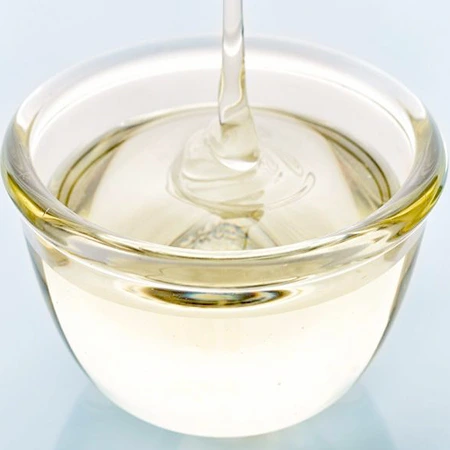
Sorbitol Liquid (E420(ii))
South Korea's Competitive Strategy
South Korea is focusing on innovation-driven pharmaceutical manufacturing rather than competing solely on production costs.
Key advantages include:
Advanced manufacturing infrastructure
Strong biotechnology ecosystem
Investment in pharmaceutical R&D
High regulatory standards
Skilled scientific workforce
Growing global partnerships
This strategy positions Korean manufacturers to serve the increasing demand for specialized pharmaceutical ingredients.
Procurement Considerations
As advanced therapies become more common, pharmaceutical procurement teams should evaluate suppliers based on technical capability as well as manufacturing quality.
Important considerations include:
GMP compliance
Regulatory certifications
Manufacturing expertise
Product traceability
Supply chain resilience
Long-term production capacity
Working with qualified suppliers helps ensure consistent quality for high-value pharmaceutical ingredients.
Looking Ahead
Demand for RNA therapeutics, peptide medicines, and antibody-drug conjugates is expected to continue growing over the coming years. South Korea's investment in advanced API manufacturing reflects the pharmaceutical industry's broader shift toward innovation-driven production and specialized biologics.
For procurement professionals, monitoring emerging manufacturing hubs such as South Korea can support supplier diversification and strengthen long-term sourcing strategies for advanced pharmaceutical ingredients.
Key Takeaways
South Korea is expanding production of RNA, ADC, and peptide APIs.
The country is focusing on high-value pharmaceutical manufacturing rather than cost-based competition.
Advanced therapies require specialized manufacturing and quality systems.
Procurement teams should prioritize supplier expertise, regulatory compliance, and manufacturing capabilities.
South Korea is emerging as an important sourcing destination for advanced pharmaceutical ingredients.
Found this useful?