South Korea's Yeosu Restructuring Could Redirect Regional Petrochemical Trade Flows
South Korea's approval of cracker closures in the Yeosu petrochemical complex marks a significant step in the country's effort to rationalize excess production capacity. As one of Asia's largest petrochemical hubs, Yeosu has long played a central role in supplying olefins and petrochemical feedstocks across regional markets. The restructuring is expected to reduce oversupply, improve operating efficiency, and gradually reshape petrochemical trade flows throughout Asia.
For chemical manufacturers, traders, and procurement professionals, the closures could alter import-export dynamics, create new sourcing opportunities, and influence pricing for key petrochemical products in the coming years.
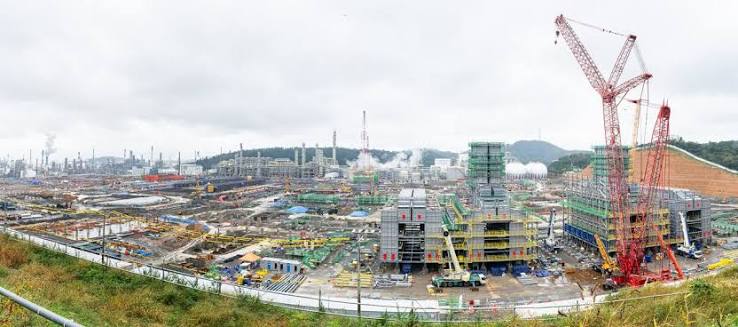
Why Yeosu Matters
The Yeosu Petrochemical Complex is one of Asia's largest integrated chemical manufacturing hubs, producing essential feedstocks for numerous downstream industries.
Key products associated with the complex include:
Ethylene
Propylene
Benzene
Butadiene
Polyethylene (PE)

Polyethylene Glycol (200) - China
Polypropylene (PP)
Aromatics
Petrochemical Feedstocks
As production capacity is reduced, regional supply patterns may shift toward producers in China, the Middle East, and Southeast Asia.
Market Implications
The restructuring may contribute to:
Reduced petrochemical oversupply in Northeast Asia
Changes in regional import and export flows
Improved operating rates at remaining facilities
Greater competition among Asian exporters
Potential stabilization of olefin prices
New sourcing opportunities for downstream manufacturers
Although capacity reductions could support market balance, the overall impact will depend on regional demand growth and future capacity additions elsewhere in Asia.

Procurement Considerations
Procurement professionals should:
Monitor production changes at Yeosu facilities
Track regional ethylene and propylene availability
Diversify sourcing across multiple Asian suppliers
Review long-term supply agreements
Monitor freight costs and trade route developments
Evaluate alternative sourcing regions if supply tightens
Maintaining supplier diversification will help businesses adapt to changing regional trade dynamics while reducing procurement risk.
Looking Ahead
The Yeosu restructuring reflects a broader trend across the global petrochemical industry, where producers are reducing inefficient capacity to improve profitability and respond to changing market conditions. As supply becomes more balanced, trade flows may gradually shift toward regions with lower production costs and stronger feedstock advantages.
For procurement teams, closely monitoring capacity rationalization, regional supply availability, and evolving trade patterns will remain essential for building resilient long-term sourcing strategies.
Key Takeaways
South Korea approved cracker closures at the Yeosu petrochemical complex.
The restructuring aims to reduce excess production capacity.
Regional petrochemical trade flows may shift as supply rationalizes.
Buyers may see changes in sourcing opportunities and pricing dynamics.
Procurement teams should monitor regional supply and diversify sourcing strategies.
Found this useful?