Southeast Asia's Emerging Markets, and Regional Opportunities
Southeast Asia is strengthening its position in global chemical trade as manufacturers expand production, international companies diversify supply chains and demand for industrial materials increases. The region combines established petrochemical centres with fast-growing manufacturing economies, creating opportunities for chemical producers, importers, distributors and international suppliers.
Countries such as Singapore, Thailand and Malaysia have developed significant chemical and petrochemical industries. Meanwhile, Vietnam and Indonesia are attracting manufacturing investment and creating additional demand for raw materials, intermediates and specialty chemicals.
However, the region is not a single, uniform market. Each country has different production capabilities, import requirements, industrial priorities and regulatory systems. Understanding these differences is essential for businesses looking to enter or expand across ASEAN.
Import Demand Is Supported by Manufacturing Growth
Chemical imports are closely connected to the performance of downstream industries. Plastics and packaging manufacturers require polymers and additives, textile producers need dyes and processing chemicals, while electronics, automotive, construction and food-processing companies depend on a wide range of industrial inputs.
Vietnam provides a clear example of this demand. Its chemical imports reached approximately US$12.76 billion during the first eight months of 2026, representing a 22.45% increase compared with the same period in 2025. China remained the largest supplier, accounting for around 45.31% of Vietnam's chemical imports during the first seven months of the year.
The figures demonstrate the scale of demand from Vietnamese manufacturers and the importance of international suppliers to domestic production.
For exporters, this creates opportunities in industrial chemicals, processing ingredients, specialty formulations and raw materials. However, competition from established Asian suppliers remains strong.
Emerging Markets and Their Trade Opportunities
Southeast Asia's chemical trade opportunities vary by country. Suppliers should consider local manufacturing structures, import dependence and the industries driving consumption.
Vietnam: Manufacturing-Led Chemical Demand
Vietnam is one of the region's important growth markets for chemical suppliers. Expanding manufacturing activity and foreign direct investment are supporting demand for imported raw materials and intermediate products.
Key opportunity areas include:
Industrial chemicals used in manufacturing and processing.
Textile dyes, auxiliaries and finishing chemicals.
Plastics, polymers and packaging additives.
Electronics and high-performance specialty chemicals.
Coatings, adhesives and construction-related materials.
Vietnam's import growth also highlights the importance of reliable sourcing. Buyers may seek alternative suppliers to reduce dependence on a limited number of countries, particularly where quality, delivery reliability and product specifications are important.
Indonesia: A Large Domestic Consumption Market
Indonesia offers opportunities because of its large population, industrial base and demand from sectors such as packaging, construction, agriculture, mining and consumer goods.
Chemical suppliers can explore demand for fertilizers, water-treatment chemicals, industrial solvents, resins, coatings and specialty formulations.
The country's resource base and industrial development ambitions also create opportunities connected to downstream processing. For international suppliers, partnerships with local distributors and manufacturers can help navigate market requirements and establish long-term customer relationships.
Thailand: An Established Petrochemical and Manufacturing Hub
Thailand has a developed petrochemical industry and a broad downstream manufacturing base. Its chemical demand is linked to packaging, automotive components, electronics, construction materials and consumer products.
The market offers opportunities for specialty chemicals, performance additives, industrial coatings and materials used in plastics processing.
At the same time, Thailand's petrochemical producers face challenges from global oversupply, higher feedstock costs and competition from major international producers. Businesses should therefore distinguish between opportunities in commodity chemicals and those in higher-value specialty products.
Malaysia: Petrochemicals and Downstream Applications
Malaysia benefits from an established oil and gas industry and significant petrochemical production capacity. Its chemical sector supplies both domestic manufacturers and international markets.
Potential opportunities include polymers, oleochemicals, specialty chemicals, industrial gases, additives and materials used in manufacturing.
Malaysia's position as both a producer and importer is particularly relevant for regional trade. Companies can explore partnerships with local producers while identifying imported products that meet specific downstream requirements.
Singapore: A Regional Chemical and Trading Centre
Singapore plays a different role from many other ASEAN markets. Its importance comes from its advanced petrochemical infrastructure, international logistics network, trading ecosystem and concentration of multinational chemical companies.
Jurong Island is a major industrial location supporting integrated refining, petrochemical and specialty chemical operations.
For international businesses, Singapore can serve as a regional base for procurement, distribution, trading, technical services and supply-chain coordination. Its infrastructure and connectivity make it particularly relevant for companies managing customers and suppliers across multiple Southeast Asian markets.
Which Chemical Segments Offer the Strongest Opportunities?
Import demand is not limited to basic petrochemicals. As regional manufacturing becomes more diverse, buyers require products that support specific industrial processes, performance requirements and quality standards.
Chemical segment | Main applications | Potential demand drivers |
|---|---|---|
Polymers and resins | Packaging, automotive, construction | Manufacturing and consumer goods |
Specialty chemicals | Electronics, coatings, adhesives | Higher-performance industrial applications |
Fertilizers and agrochemicals | Agriculture and crop production | Agricultural productivity and food supply |
Industrial solvents | Manufacturing, cleaning and processing | Industrial activity |
Water-treatment chemicals | Municipal and industrial water systems | Infrastructure and environmental management |
Food ingredients and additives | Food processing and preservation | Packaged food and beverage production |
Surfactants and detergents | Personal care and cleaning products | Consumer goods manufacturing |
Specialty chemicals may offer opportunities beyond volume-based commodity trade. Buyers often require consistent product performance, technical documentation, formulation support and reliable quality. Suppliers that can provide these services may be better positioned to build lasting commercial relationships.
Regional Trade Routes and Supply-Chain Advantages
Southeast Asia's location along major international shipping routes supports its role in global chemical trade. Ports, industrial estates and logistics networks connect producers and buyers within ASEAN and with suppliers in China, South Korea, Japan, India, the Middle East, Europe and the United States.
Regional trade agreements also influence sourcing decisions. The Regional Comprehensive Economic Partnership (RCEP), for example, brings together ASEAN members and several major Asia-Pacific trading partners. Depending on the product's classification and rules of origin, businesses may benefit from preferential tariff arrangements.
However, trade access is not automatic. Exporters must check product-specific tariff schedules, origin requirements, customs procedures and applicable chemical regulations before shipping.
For chemical distributors, regional warehousing and local partnerships can help improve delivery times and customer service. These arrangements may be particularly valuable for products requiring regular replenishment or specialized storage and handling.
Challenges Facing Chemical Importers and Exporters
Despite strong long-term potential, Southeast Asia's chemical trade faces several commercial and operational challenges.
Feedstock and energy-price volatility: Petrochemical producers depend on reliable supplies of crude oil, naphtha, natural gas and other feedstocks. Price fluctuations can affect production costs, selling prices and trade margins.
Global oversupply: New production capacity in major markets, particularly China, can increase competition and put pressure on regional producers and exporters.
Import dependence: Countries that rely heavily on imported chemical inputs can face supply disruptions, longer lead times and higher procurement costs when international logistics are affected.
Regulatory differences: Chemical registration, classification, labelling, safety data sheets, import permits and environmental requirements vary across countries. Suppliers must understand local rules before entering a market.
Logistics and handling: Some chemicals require controlled temperatures, specialized containers, hazardous-goods documentation or dedicated storage facilities. These requirements can increase the cost and complexity of cross-border trade.
Recent market assessments also point to pressure on regional producers. Atradius reported that Southeast Asian chemical production growth was forecast to slow sharply in 2026 amid feedstock supply disruptions, higher costs and competition. This highlights an important distinction: rising import demand does not necessarily mean that local chemical producers will enjoy stronger margins.
Sustainability and the Shift Toward Higher-Value Chemicals
Sustainability is becoming an increasingly important consideration in chemical procurement. Manufacturers and international buyers are paying greater attention to product safety, environmental performance, energy efficiency and supply-chain transparency.
This creates opportunities for suppliers of:
Bio-based and renewable chemical feedstocks.
Recycled and circular polymers.
Lower-emission production chemicals.
Water-treatment and wastewater-management solutions.
More efficient industrial additives and processing materials.
Demand will depend on regulatory requirements, customer commitments, price competitiveness and the availability of suitable technologies. Suppliers should avoid relying on sustainability claims alone; credible technical data and transparent product documentation are increasingly important.
How International Suppliers Can Enter the ASEAN Chemical Market
Entering Southeast Asia requires more than identifying countries with high import figures. Businesses need a market-specific approach that considers product demand, local competition, regulations and distribution capabilities.
A practical strategy includes:
Identify target countries: Compare import demand, industrial activity and local production capacity for each chemical category.
Research buyers: Identify manufacturers, distributors, importers and industrial users that purchase the relevant products.
Check compliance requirements: Confirm chemical registration, safety documentation, labelling and import rules before offering products.
Evaluate local partnerships: Work with established distributors or agents that understand local procurement practices and customer requirements.
Build reliable logistics: Assess shipping routes, storage conditions, lead times and hazardous-material handling requirements.
Compete through value: Offer consistent quality, technical support, dependable delivery and competitive commercial terms.
Companies should also monitor changes in trade statistics and procurement patterns. Import growth in one country may reflect demand from a specific manufacturing sector rather than an opportunity across the entire chemical market.
What Lies Ahead for Southeast Asia's Chemical Trade?
Southeast Asia is likely to remain an important destination for chemical suppliers as manufacturing capacity, infrastructure investment and industrial demand evolve. Vietnam's expanding import requirements, Indonesia's large domestic market, Thailand's established petrochemical base, Malaysia's production capabilities and Singapore's trading infrastructure provide different routes into the regional market.
Nevertheless, businesses should approach the region with realistic expectations. Feedstock volatility, global oversupply, regulatory complexity and competition can affect profitability even when import volumes are increasing.
For chemical producers, exporters and distributors, the strongest opportunities will come from understanding individual country requirements, building dependable local relationships and supplying products that meet the technical and commercial needs of regional industries.
https://atradius.sg/knowledge-and-research/reports/industry-trends-chemicals
https://www.oie.go.th/assets/portals/1/files/monthly_report/anualreport2025_outlookfor2026.pdf
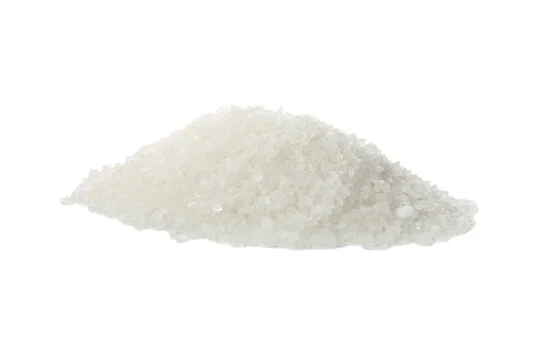
Ammonium Sulphate - Taiwan
Found this useful?