
The Future of Green Chemistry: Innovations for Sustainable Industry
Green Chemistry and Its Growing Importance in the Chemical Industry
The chemical industry plays an essential role in modern manufacturing, supplying materials and ingredients to sectors such as pharmaceuticals, agriculture, automotive, construction, food processing, and electronics. However, conventional chemical production can involve high energy consumption, hazardous substances, greenhouse gas emissions, and industrial waste.
Growing environmental concerns and stricter sustainability requirements are encouraging chemical manufacturers to explore cleaner production methods. Green chemistry is emerging as an important approach to reducing the environmental impact of chemical products and manufacturing processes.
Green chemistry focuses on designing chemical products and processes that minimize or eliminate the use and generation of hazardous substances. Instead of managing pollution after it occurs, this approach aims to prevent waste and environmental damage from the beginning of product development.
As businesses increasingly prioritize environmental responsibility, green chemistry innovations are creating opportunities for manufacturers to improve resource efficiency, develop safer products, and build more sustainable supply chains.
Key Innovations Driving Green Chemistry
Bio-Based Chemicals and Renewable Feedstocks
One of the most significant developments in green chemistry is the shift from fossil-based raw materials toward renewable feedstocks. Conventional chemical manufacturing often depends on crude oil, natural gas, and other non-renewable resources.
Bio-based chemicals are produced using renewable biological materials such as agricultural residues, plant oils, starch, cellulose, and other biomass resources.
Examples include:
Bio-based solvents derived from renewable raw materials.
Plant-based surfactants used in cleaning and personal care products.
Bio-based polymers developed as alternatives to conventional plastics.
Renewable chemical intermediates used in industrial manufacturing.
These alternatives can reduce dependence on fossil resources. However, their environmental benefits depend on factors such as agricultural practices, land use, processing requirements, and overall lifecycle emissions.
Biodegradable Polymers and Sustainable Materials
Traditional plastics can persist in the environment for extended periods, creating waste management and pollution challenges. Green chemistry research is supporting the development of biodegradable and bio-based polymer materials.
Polylactic acid (PLA), polyhydroxyalkanoates (PHA), and other biodegradable polymers are receiving attention for applications in packaging, agriculture, consumer products, and selected medical applications.
These materials can offer alternatives to certain conventional plastics. However, their degradation depends on environmental conditions, and some require specific industrial composting facilities.
Manufacturers are also exploring recyclable polymer systems and improved material designs to support circular production models.
Green Solvents and Safer Chemical Formulations
Solvents are widely used in pharmaceutical production, paints, coatings, adhesives, cleaning products, and chemical processing. Conventional solvents may present environmental, health, and safety concerns because of their volatility, toxicity, or disposal requirements.
Green chemistry encourages the development and adoption of safer solvent alternatives.
Examples include:
Water-based solvent systems for coatings and cleaning applications.
Bio-based solvents derived from renewable feedstocks.
Ethyl lactate for selected industrial cleaning and formulation applications.
Supercritical carbon dioxide for specialized extraction and processing.
Ethanol-based formulations where technically suitable.
Selecting appropriate alternatives requires evaluating toxicity, performance, recovery potential, energy requirements, and lifecycle impacts rather than relying only on whether a solvent is renewable.
Sustainable Manufacturing Technologies Transforming Chemical Production
Energy-Efficient Chemical Processes
Energy consumption is a major consideration in chemical manufacturing, particularly in processes involving heating, cooling, separation, and high-pressure reactions.
Manufacturers are investing in technologies that improve energy efficiency and reduce production-related emissions.
Process intensification is one important approach. It involves designing equipment and production systems that achieve higher efficiency using fewer resources, smaller equipment footprints, or shorter processing times.
Other developments include heat recovery systems, advanced process control, electrified industrial heating, and more efficient separation technologies.
These innovations can help manufacturers reduce operating costs while improving environmental performance.
Catalysis and More Efficient Chemical Reactions
Catalysts play an important role in improving chemical reaction efficiency. They help reactions occur faster or under more favorable conditions without being consumed in the overall reaction.
Green chemistry research is focusing on more selective and efficient catalysts that can reduce energy requirements, minimize unwanted by-products, and improve raw material utilization.
Biocatalysis, which uses enzymes and other biological catalysts, is gaining attention in pharmaceutical manufacturing, food processing, and specialty chemical production.
By improving reaction selectivity, these technologies can reduce waste and simplify certain manufacturing processes.
Carbon Capture and Carbon Utilization
Carbon capture technologies are being explored as part of industrial decarbonization strategies. These systems capture carbon dioxide from industrial emissions or other sources before it enters the atmosphere.
Captured carbon dioxide can potentially be used as a feedstock for selected chemical products, synthetic fuels, construction materials, and other applications.
Carbon utilization offers opportunities to create value from captured emissions. However, the overall environmental benefit depends on the energy source, conversion process, product lifecycle, and whether the carbon remains stored or is eventually released.
Applications of Green Chemistry Across Major Industries
Pharmaceutical and Healthcare Manufacturing
Green chemistry is becoming increasingly relevant in pharmaceutical manufacturing, where chemical synthesis can involve multiple reaction stages, solvents, and purification processes.
Manufacturers are exploring solvent replacement, catalytic reactions, continuous manufacturing, and improved process efficiency to reduce waste and resource consumption.
Biocatalysis is also supporting the development of more selective synthesis routes for certain pharmaceutical ingredients.
These innovations can help pharmaceutical companies improve production efficiency while maintaining strict quality and safety requirements.
Agriculture and Fertilizer Production
Agriculture is another important area for green chemistry applications. Conventional fertilizer production and excessive nutrient application can contribute to greenhouse gas emissions, water pollution, and soil degradation.
Innovations such as controlled-release fertilizers, bio-based crop protection products, biological pesticides, and biodegradable agricultural materials are supporting more sustainable farming practices.
Green chemistry can also contribute to the development of safer pesticide formulations and products designed to improve nutrient-use efficiency.
Food Processing and Packaging
Food manufacturers are increasingly exploring sustainable ingredients, processing aids, and packaging materials.
Bio-based packaging, biodegradable polymers, safer cleaning chemicals, and environmentally responsible processing ingredients are gaining attention.
Green chemistry principles can also help food ingredient manufacturers optimize extraction processes, reduce chemical waste, and improve resource efficiency.
Automotive and Construction Industries
The automotive and construction sectors are adopting advanced materials to improve durability, energy efficiency, and environmental performance.
Green chemistry innovations include low-VOC coatings, water-based adhesives, bio-based insulation materials, sustainable polymers, and improved construction additives.
These products can support lower-emission manufacturing and help businesses meet evolving environmental requirements.
The Role of Circular Economy in Green Chemical Manufacturing
The circular economy is closely connected to green chemistry because both approaches aim to reduce waste and improve resource utilization.
Traditional manufacturing models often follow a linear pattern in which raw materials are extracted, processed, used, and discarded. Circular manufacturing focuses on keeping materials in use for longer through recycling, reuse, recovery, and improved product design.
Chemical manufacturers are exploring several circular economy strategies:
Recycling plastic waste into reusable chemical feedstocks.
Recovering and reusing industrial solvents.
Utilizing agricultural and industrial by-products as raw materials.
Developing recyclable polymer formulations.
Improving water recovery and reuse in manufacturing facilities.
Chemical recycling can help process certain plastic waste streams that are difficult to handle through conventional mechanical recycling. However, its environmental and economic performance depends on technology selection, energy requirements, feedstock quality, and emissions management.
Challenges in Adopting Green Chemistry Innovations
Despite the growing interest in sustainable chemical solutions, manufacturers face several challenges when implementing green chemistry technologies.
Higher Initial Investment
Developing renewable feedstock supply chains, installing advanced processing equipment, and adopting cleaner production technologies can require significant capital investment.
Smaller manufacturers may find it difficult to finance these changes without external investment or suitable commercial partnerships.
Availability and Cost of Sustainable Raw Materials
Bio-based feedstocks may have limited availability depending on agricultural production, regional infrastructure, and competing demand from other industries.
Price fluctuations and inconsistent raw material quality can also affect manufacturing costs and product performance.

Technical Performance and Scalability
Sustainable alternatives must meet the same technical requirements as conventional products. Manufacturers need to evaluate product stability, durability, compatibility, shelf life, and processing efficiency before replacing established chemical formulations.
Some emerging technologies also require further research and investment before they can be adopted at commercial scale.
Regulatory Compliance and Certification
Chemical manufacturers must meet applicable environmental, safety, and product quality regulations. Green chemical products may also require lifecycle assessments, testing, and relevant sustainability certifications to support environmental claims.
Clear and transparent reporting is essential to avoid misleading sustainability statements.
Future Outlook for Green Chemistry and Sustainable Manufacturing
The future of chemical manufacturing will increasingly depend on innovations that combine environmental responsibility with commercial and technical performance.
Bio-based feedstocks, biodegradable materials, green solvents, advanced catalysts, carbon utilization, and energy-efficient production technologies are expected to remain important areas of development.
Artificial intelligence and digital technologies may further accelerate green chemistry research by helping scientists identify promising formulations, optimize reaction conditions, and analyze material performance.
Chemical companies are also expected to strengthen partnerships with technology providers, raw material suppliers, research institutions, and customers to develop scalable sustainable solutions.
For procurement teams, this transition creates new opportunities to source renewable feedstocks, compare environmentally responsible suppliers, and evaluate products based on performance and sustainability criteria.
Businesses that invest in green chemistry research, cleaner production methods, and circular resource management can strengthen their competitiveness while supporting the transition toward a more sustainable chemical industry.
Sources and Further Reading
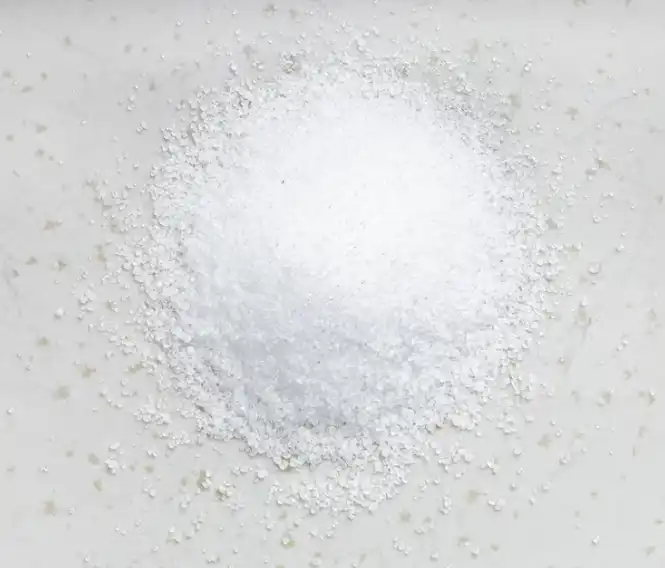
Ammonium Bicarbonate (E503(ii))
Found this useful?