
Specialty Bromine and Lithium Businesses Diverge From Broader Commodity Weakness
Specialty bromine and lithium businesses are moving in a different direction from broader commodity chemicals, with Albemarle's performance this quarter highlighting the divide. While fertilizer and industrial chemical segments with greater commodity exposure continue to face weakness elsewhere in the earnings season, specialty applications within bromine and lithium are showing greater resilience.
For chemical traders, procurement managers and industrial buyers, this divergence matters because it shows how product positioning can influence market performance even when the wider chemical cycle remains challenging. Demand tied to specialized applications can behave differently from bulk commodity demand, creating opportunities as well as new sourcing considerations.
Why Specialty Bromine and Lithium Are Holding Up Better
The performance gap reflects an important distinction between specialty chemical demand and highly commodity-sensitive markets. Bulk chemicals often respond quickly to changes in industrial production, construction activity, agricultural economics and inventory cycles, while specialty materials can benefit from more specific application-driven demand.
Bromine offers exposure to specialized chemical applications where performance requirements can make substitution more difficult. Lithium also connects to technically demanding markets where material quality, processing characteristics and downstream specifications play an important role in purchasing decisions.
This creates a different commercial environment for suppliers and buyers. A market can experience broad chemical weakness while selected specialty products continue to attract stable demand from customers with specific technical requirements.
Albemarle's Portfolio Shows a Different Demand Pattern
Albemarle's outperformance in bromine and lithium specialties this quarter stands out against continued weakness across more commodity-exposed fertilizer and industrial chemical segments reported elsewhere this earnings season. The contrast highlights how a diversified chemical portfolio can experience very different conditions across individual businesses.
For procurement teams, the key lesson is that headline chemical market weakness does not necessarily apply evenly across every product category. Buyers should examine the specific end-use markets, supply structure and application requirements behind a chemical rather than relying only on broad sector sentiment.
Several factors can support specialty business performance:
Application specificity: Customers may continue buying products that meet precise technical requirements even when they reduce spending elsewhere.
Product differentiation: Specialized grades can face less direct price competition than standardized bulk chemicals.
End-market diversity: Suppliers serving multiple downstream applications can avoid dependence on one cyclical demand source.
Technical qualification: Products requiring customer testing or approval can create stronger supplier relationships and reduce rapid switching.
What the Divergence Means for Chemical Buyers
The difference between specialty and commodity performance changes how buyers should approach procurement. A weaker overall chemical market may create attractive opportunities in some products, but buyers should not assume that every category will follow the same pricing trajectory.
For bromine and lithium-related materials, procurement teams should pay closer attention to application demand, supplier capacity and the availability of suitable grades. A product with stronger specialty demand may not experience the same pricing pressure as a commodity chemical facing oversupply.
This makes market segmentation increasingly important. Instead of asking whether the chemical market is weak or strong, buyers can ask which applications are growing, which products face excess supply and where suppliers have greater pricing power.

Bromine Demand Benefits From Specialized Applications
Bromine chemistry serves markets where functional performance can be more important than simple volume economics. Its use across specialized industrial applications gives suppliers exposure to demand drivers that differ from those affecting fertilizers or other bulk chemicals.
This distinction can influence trading strategies. Buyers dealing with bromine-related products need to consider grade requirements, production locations, transportation conditions and supplier reliability alongside the headline market price.
Specialty demand can also make contract relationships more significant. When a material forms part of a qualified formulation or controlled manufacturing process, buyers may place greater value on consistency and technical support.
For traders, this can create a market where reliability becomes part of the product value proposition. A lower nominal price may not compensate for inconsistent quality, delayed delivery or the need to requalify an alternative supplier.
Lithium Markets Require Close Attention to End-Use Demand
Lithium occupies a different position within the specialty portfolio because its long-term demand profile remains closely connected with advanced industrial applications, particularly energy-related technologies. However, lithium markets can still experience significant swings because supply investment, inventory levels and downstream demand can change rapidly.
The stronger performance of lithium specialties therefore should not encourage buyers to ignore market cycles. Instead, procurement teams should separate near-term market conditions from longer-term application requirements.
For industrial buyers, useful questions include:
Is the required lithium material tied to a growing end-use application?
Does the specification limit the number of qualified suppliers?
How much inventory does the buyer need to maintain?
Can the procurement team substitute grades without affecting production?
How exposed is the supply route to freight, energy or regional production disruptions?
These questions help buyers understand whether a market opportunity reflects temporary pricing weakness or a more durable change in supply and demand.
Commodity Weakness Creates a Clearer Specialty Market Divide
The weakness reported across commodity-exposed fertilizer and industrial chemical businesses provides an important comparison point. Commodity products generally compete more directly on capacity, production costs and market balance, making oversupply or weak downstream demand capable of placing substantial pressure on margins.
Specialty businesses can operate under different economics. Technical differentiation, customer qualification and application-specific demand may provide greater protection when industrial volumes soften.
This does not mean specialty chemicals are immune to downturns. Manufacturing slowdowns can eventually affect even highly specialized products, but the timing and magnitude of the impact can differ substantially from bulk commodity markets.
For chemical traders, this creates a need to track product-level fundamentals rather than relying on broad chemical sector indicators. A falling commodity index, for example, may provide limited information about the availability or pricing direction of a specialized bromine or lithium product.
Procurement Priorities Are Shifting From Price Alone
Price remains central to chemical procurement, but the divergence between specialty and commodity markets reinforces the importance of total supply economics. Buyers need to evaluate whether a cheaper supplier can deliver consistent quality, reliable volumes and predictable logistics.
A practical sourcing strategy should consider:
Supplier concentration: Identify whether a product depends on a small number of qualified producers.
Specification requirements: Confirm that alternative grades meet technical and regulatory requirements before switching.
Inventory strategy: Balance working capital against the risk of unexpected supply constraints.
Regional sourcing: Compare suppliers across production regions to reduce exposure to a single trade route.
Contract flexibility: Review whether purchasing agreements can accommodate changes in demand or market pricing.
These considerations become especially important when specialty demand remains comparatively firm. Stronger demand can reduce the bargaining advantage that buyers normally gain during a broad chemical downturn.
Trading Opportunities May Develop Between Market Segments
The current divergence also creates potential opportunities for chemical traders that understand the difference between bulk and specialty markets. Traders can monitor where commodity weakness creates discounted feedstocks or logistics opportunities while specialty demand supports more stable downstream markets.
However, the opportunity requires careful product knowledge. Specialty chemical transactions often depend on specifications, documentation, packaging, storage conditions and customer approvals that differ from conventional commodity trading.
A trader that understands these requirements can offer more value than a participant competing only on price. Technical knowledge and dependable fulfillment can become commercial advantages when customers prioritize continuity of supply.
What Buyers Should Watch Through 2027
The most important question for procurement teams is whether the specialty performance seen in bromine and lithium can remain resilient if broader chemical markets stay under pressure. The answer will depend on downstream demand, supplier capacity, inventory behavior and the strength of the applications served by these businesses.
Buyers should monitor several signals as they plan future procurement:
Specialty demand trends: Strong application demand could keep selected products more resilient than bulk chemicals.
Supplier investment: New capacity could eventually alter market balances even in specialized segments.
Customer inventory levels: Destocking can temporarily weaken demand even when long-term applications remain healthy.
Commodity feedstock costs: Changes in energy and raw material costs can influence supplier economics.
Regional trade conditions: Freight availability and cross-border logistics can materially affect delivered chemical costs.
The broader market picture may therefore remain uneven. Instead of treating chemical weakness as a single market-wide condition, procurement teams should map individual products against their end-use markets and supply structures.
The Bottom Line for Procurement Teams
Albemarle's stronger performance in bromine and lithium specialties against weakness across more commodity-exposed fertilizer and industrial chemical segments highlights a fragmented chemical market. For buyers, that fragmentation means broad market sentiment alone cannot determine the right purchasing strategy.
Specialty products can retain stronger demand when their technical role, application requirements and supplier relationships provide greater resilience than standardized commodities. Chemical traders and procurement managers should therefore evaluate each material through its specific supply-demand fundamentals, qualification requirements and logistics exposure.
A disciplined approach can help buyers capture opportunities created by broader commodity weakness without assuming that specialty markets will automatically follow the same trajectory. For bromine and lithium-related procurement, the priority should remain a balance of competitive pricing, technical suitability and dependable supply. Ready to source Potassium Carbonate from verified global suppliers? Explore competitive offers on our platform today.
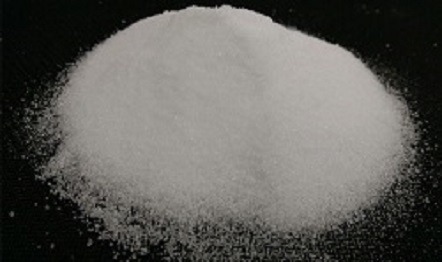
Potassium Chloride
Found this useful?