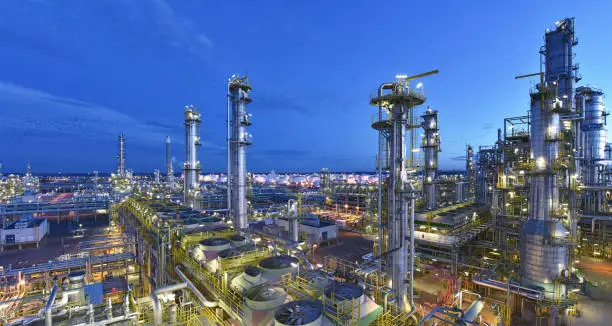
Specialty Chemical M&A Outlook: H2 2026 Asset Carve-Outs and What Buyers Should Watch

Specialty Chemical M&A Outlook: H2 2026 Asset Carve-Outs and What Buyers Should Watch
Introduction
The specialty chemicals sector is entering the second half of 2026 with merger and acquisition (M&A) activity increasingly focused on asset carve-outs, portfolio optimization, and strategic repositioning. After several years of economic uncertainty, supply chain disruptions, and shifting sustainability requirements, chemical producers are reassessing their business portfolios to concentrate on higher-margin, technology-driven, and growth-oriented segments.
As a result, H2 2026 is expected to bring a new wave of divestitures, business unit separations, and targeted acquisitions across specialty chemicals. For strategic buyers, private equity firms, and industry investors, asset carve-outs may present unique opportunities to acquire valuable technologies, customer relationships, and manufacturing assets at attractive valuations.
However, successful acquisitions require careful evaluation of operational, commercial, regulatory, and integration risks. Understanding the key trends shaping the market can help buyers identify opportunities while avoiding costly mistakes.
Why Asset Carve-Outs Are Accelerating
Specialty chemical companies are under growing pressure to improve profitability, strengthen balance sheets, and focus resources on core business areas.
Several factors are driving the increase in carve-out activity.
Portfolio Simplification
Many chemical producers are streamlining operations by divesting non-core business units that no longer align with long-term strategic objectives.
Margin Optimization
Companies are increasingly prioritizing businesses with stronger pricing power, differentiated technologies, and recurring customer demand.
Sustainability Transformation
Environmental regulations and sustainability commitments are encouraging firms to exit certain legacy product categories while investing in greener technologies.
Capital Allocation Priorities
Divestitures can generate capital that supports innovation, capacity expansion, digital transformation, or debt reduction initiatives.
Which Specialty Chemical Segments May See Activity?
While opportunities can emerge across the industry, several sectors appear particularly active heading into H2 2026.
Coatings and Performance Materials
Businesses serving construction, automotive, industrial equipment, and infrastructure markets remain attractive due to stable demand and opportunities for product innovation.
Electronic Chemicals
The continued expansion of semiconductor manufacturing and advanced electronics production is supporting strong investor interest in high-purity specialty materials.
Adhesives and Sealants
Specialized formulation expertise and growing demand from transportation, packaging, and construction sectors continue to drive acquisition interest.
Water Treatment Chemicals
Increasing environmental regulations and industrial sustainability initiatives are creating favorable long-term growth prospects.
Personal Care Ingredients
Consumer demand for sustainable, bio-based, and performance-enhancing ingredients continues to support investment activity within the beauty and personal care supply chain.
What Makes Asset Carve-Outs Different?
Unlike traditional corporate acquisitions, carve-outs involve separating a business unit from a larger organization. This process often creates unique opportunities as well as additional complexity.
Potential advantages include:
Established customer relationships
Existing production assets
Proven technologies
Experienced technical personnel
Immediate market presence
However, buyers must also address separation-related challenges that may not exist in standalone acquisitions.
Key Areas Buyers Should Evaluate
Operational Independence
One of the most important questions is whether the business can operate independently after separation.
Buyers should assess:
Manufacturing systems
IT infrastructure
Procurement processes
Supply chain arrangements
Shared service dependencies
Businesses that rely heavily on parent-company resources may require significant post-acquisition investment.
Customer Retention Risks
Customer relationships often represent a substantial portion of acquisition value.
Key considerations include:
Contract stability
Customer concentration
Renewal timelines
Competitive positioning
Service continuity plans
Understanding customer sentiment during the transition period is critical.
Technology and Intellectual Property
Specialty chemicals frequently compete through innovation and proprietary technologies.
Buyers should review:
Patent portfolios
Licensing agreements
Research and development capabilities
Technical know-how retention
Regulatory registrations
The long-term value of an acquisition often depends on maintaining these competitive advantages.
Regulatory and Environmental Liabilities
Environmental compliance remains a major consideration in chemical industry transactions.
Areas requiring thorough due diligence include:
Site remediation obligations
Emissions compliance
Product stewardship requirements
Chemical registrations
Occupational safety programs
Unexpected liabilities can significantly affect transaction economics.
Financial Metrics That Matter Most
Beyond traditional revenue and EBITDA analysis, buyers should focus on:
Margin Sustainability
Determine whether profitability can be maintained following separation from the parent company.
Working Capital Requirements
Evaluate inventory levels, receivables management, and procurement obligations.
Capital Expenditure Needs
Some carve-out assets may require modernization or expansion investments shortly after acquisition.
Synergy Potential
Strategic buyers should identify opportunities to create value through operational efficiencies, expanded market access, or technology integration.
The Role of Private Equity
Private equity firms remain active participants in specialty chemical transactions.
Their interest is driven by:
Stable industrial demand
Opportunities for operational improvements
Strong cash-flow generation
Potential for future consolidation strategies
Competition from financial sponsors may influence valuation expectations across multiple sectors.
Emerging Risks in H2 2026
Despite positive market momentum, buyers should continue monitoring several risk factors:
Global economic uncertainty
Raw material price volatility
Geopolitical trade disruptions
Environmental regulatory changes
Interest rate fluctuations
Supply chain resilience challenges
These variables may affect both deal valuation and post-acquisition performance.
Strategic Recommendations for Buyers
Act Early
Highly attractive carve-out opportunities often attract multiple bidders. Early engagement can improve access to information and negotiation leverage.
Prioritize Due Diligence
Thorough commercial, operational, technical, and environmental reviews remain essential to identifying hidden risks.
Develop Integration Plans Before Closing
Successful acquisitions often depend on having a detailed integration strategy in place before the transaction is completed.
Focus on Long-Term Strategic Fit
The most successful deals are typically those that strengthen core capabilities rather than simply increase scale.
Conclusion
The specialty chemical M&A environment in H2 2026 is expected to be shaped by a growing number of asset carve-outs as companies continue refining their portfolios and reallocating capital toward strategic priorities. These transactions offer compelling opportunities for buyers seeking technology, market access, and operational capabilities. However, carve-outs require careful due diligence, disciplined valuation analysis, and comprehensive integration planning. Organizations that evaluate opportunities through both strategic and operational lenses will be best positioned to capitalize on the next wave of specialty chemical consolidation.

Hydrogen Peroxide (50%) - Bangladesh

Found this useful?