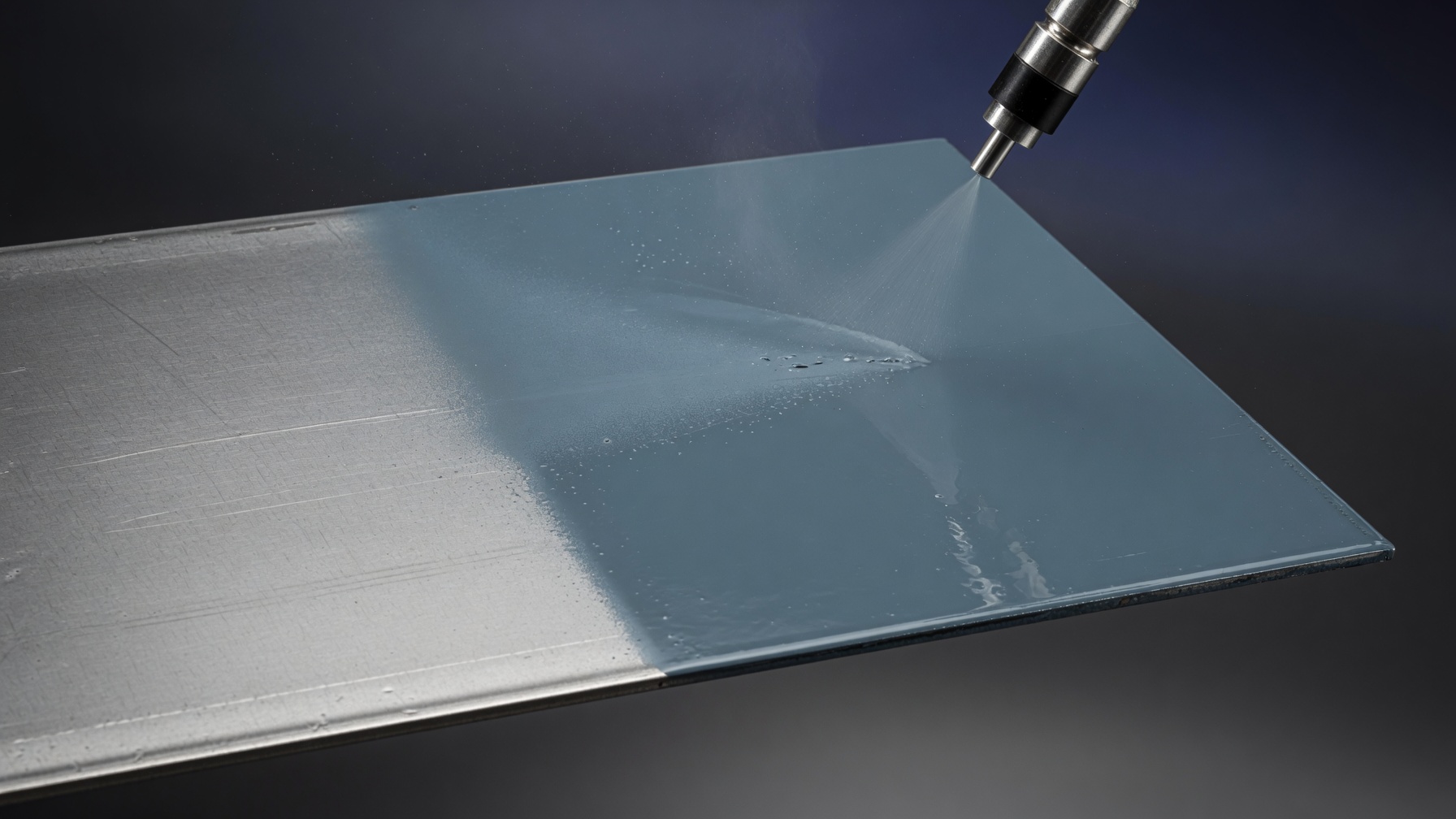
Specialty Coatings Formulators Compete on Application Speed and Ease
Specialty coatings are entering a competitive phase where application speed and ease of use can matter as much as appearance and color selection. PPG's emphasis on faster drying and easier application in its new color technology reflects a broader shift in how formulators seek to differentiate their products.
For chemical traders, procurement managers and industrial buyers, this shift changes the criteria used to evaluate coating materials. A coating that reduces waiting time, simplifies application or improves production throughput can deliver value well beyond its purchase price.
Why Application Speed Is Becoming a Coatings Differentiator
Color has traditionally played a major role in specialty coating development, particularly where appearance, branding or surface aesthetics influence purchasing decisions. However, industrial users increasingly evaluate coatings through the lens of operational efficiency.
Faster drying can shorten the time between application stages. Easier application can reduce process complexity, support more consistent results and make products easier for operators to use across different production environments.
This creates a commercial opportunity for formulators that can connect formulation chemistry with measurable productivity benefits. Rather than competing only on shade selection or visual finish, suppliers can position coatings around the amount of time and effort required to achieve the desired result.
For procurement teams, this means the product specification may need to extend beyond basic chemical composition. Drying behavior, application characteristics and compatibility with existing equipment can become important purchasing considerations.
PPG's Color Technology Signals a Broader Market Shift
PPG's focus on faster drying and easier application in its new color technology provides a useful example of how specialty coatings companies are responding to changing customer expectations.
The significance goes beyond the individual technology. It illustrates how formulators can use application efficiency as a product differentiator when customers want coatings that integrate smoothly into production workflows.
A faster-drying coating may allow users to move components through subsequent processing stages sooner. An easier-to-apply formulation may also reduce the operational burden associated with achieving consistent coverage.
This approach gives coating suppliers another way to demonstrate value. Instead of asking customers to compare products solely on color, gloss or finish, formulators can highlight how the coating affects productivity from the moment it reaches the application line.
What Faster-Drying Coatings Mean for Industrial Buyers
Drying time can influence several stages of a coating operation, particularly where manufacturers handle high production volumes. Every additional waiting period can affect scheduling, floor space requirements and overall workflow.
For buyers, faster drying therefore has potential significance beyond the formulation itself.
Key considerations include:
Production throughput: Shorter drying periods can support faster movement of coated components through production.
Process scheduling: Reduced waiting time can make manufacturing schedules easier to coordinate.
Space utilization: Faster processing can reduce the time products occupy designated drying or staging areas.
Labor efficiency: Easier application can simplify operator tasks and reduce process complications.
Equipment compatibility: Application speed must still align with spray, roller, brush or other equipment used by the customer.
These factors can influence the total economic value of a coating. A higher-priced formulation may remain attractive if it produces meaningful gains in production efficiency.

How Easier Application Can Change Coating Selection
Application complexity can create hidden costs for manufacturers. A coating that requires highly controlled conditions, extensive preparation or difficult handling may increase labor requirements even when its raw material cost looks competitive.
Formulators therefore have an opportunity to create products that are more forgiving during application while maintaining the required performance characteristics.
For procurement managers, ease of application can be assessed through practical questions:
How easily can operators achieve consistent coverage?
Does the formulation work with existing application equipment?
Does the product require significant changes to production procedures?
How quickly can coated components move to the next manufacturing stage?
Can the coating maintain the required finish and performance while improving application efficiency?
These questions can help buyers compare products on total process value rather than unit price alone.
Raw Materials Remain Central to Coating Performance
The push toward faster and easier application does not eliminate the importance of raw material selection. Resins, pigments, solvents, additives and performance modifiers continue to influence how a coating behaves during application and drying.
For chemical traders, this creates demand for materials that support formulation objectives without creating unnecessary supply chain complications.
Titanium dioxide, for example, remains an important material in coatings where opacity, whiteness and visual performance matter. Other formulation components can influence viscosity, flow, drying behavior, adhesion and surface characteristics.
Buyers increasingly need suppliers that can provide consistent material quality and dependable availability. Variations in raw material characteristics can affect formulation performance and complicate efforts to standardize production.
This makes supplier reliability an important part of the application-efficiency discussion. A formulator cannot consistently promise application performance if critical raw materials arrive with unpredictable specifications or irregular availability.
Procurement Priorities Are Expanding Beyond Price
The shift toward application efficiency can change the way procurement teams calculate value. A low-cost ingredient does not automatically produce the lowest overall coating cost if it contributes to slower production or more difficult application.
Procurement teams may increasingly evaluate:
Raw material consistency and specification stability.
Availability from established international supply sources.
Compatibility with existing formulation systems.
Impact on drying and application performance.
Packaging, shipping and storage requirements.
Supplier responsiveness during periods of changing demand.
This broader evaluation can strengthen the role of technical and procurement teams in formulation decisions. Purchasing departments may need closer coordination with research, production and quality teams before selecting alternative chemical suppliers.
Supply Chain Efficiency Supports Formulation Efficiency
Application performance represents only one part of the efficiency equation. Specialty coatings manufacturers also need dependable access to the chemical inputs required to maintain production.
Supply disruptions can force formulators to qualify substitute materials, adjust recipes or delay manufacturing. Those disruptions can offset the productivity gains created by a faster-drying or easier-to-apply coating.
Chemical traders can therefore play a larger role by connecting manufacturers with reliable international supply options. Consistent specifications, clear commercial terms and predictable logistics can help coating producers manage formulation continuity.
For importers and exporters, the opportunity lies in understanding which coating raw materials support these emerging performance priorities. Suppliers that can combine competitive pricing with dependable quality may become more valuable as formulators seek greater production efficiency.
What This Means for Specialty Coatings Competition
The competitive landscape is gradually becoming broader. Color remains important, but formulators can differentiate through the complete application experience.
A specialty coating that dries faster, applies more easily and maintains the required finish can offer a stronger commercial proposition to industrial users than a product that competes mainly through color selection.
This trend also encourages suppliers to communicate performance in operational terms. Customers may respond more strongly to a clear productivity benefit than to a formulation claim that does not connect with their manufacturing process.
For traders, this creates a useful commercial signal. Demand for coating chemicals may increasingly follow formulation trends centered on efficiency, application control and production throughput.
How Buyers Can Adapt Their Sourcing Strategy
Procurement teams can respond to this market direction by incorporating application performance into supplier evaluation. The objective should not simply be to find the cheapest available chemical, but to identify materials that support the manufacturer's broader production goals.
A practical sourcing strategy can include:
Engage technical teams early: Procurement decisions should reflect the formulation requirements defined by research and production specialists.
Compare total process value: Consider labor, drying time and production throughput alongside raw material pricing.
Maintain supplier alternatives: Multiple qualified sources can reduce exposure to supply interruptions.
Request consistent specifications: Stable material quality helps formulators maintain predictable coating performance.
Track application trends: Changes in coating technology can create new demand for specific chemical inputs.
This approach can help buyers turn formulation innovation into a procurement advantage.
The Bottom Line for Coatings Procurement Teams
Specialty coatings are increasingly competing on what happens during application, not simply on what the finished surface looks like. PPG's emphasis on faster drying and easier application demonstrates how application efficiency can become a meaningful point of differentiation within color technology.
For chemical buyers, the shift creates a need to evaluate raw materials according to their contribution to production performance. Suppliers that understand the connection between chemical inputs, application behavior and manufacturing efficiency can offer greater value to coating formulators.
The broader opportunity for traders and procurement professionals is to follow these formulation priorities closely. As manufacturers seek faster processing and simpler application, sourcing strategies will increasingly favor dependable materials that help coatings perform efficiently from application through final use.
Ready to source Titanium Dioxide from verified global suppliers? Explore competitive offers on our platform today.
Titanium Dioxide
Found this useful?