Specialty Niche Resilience Offers a Model for Agrochemical Intermediate Producers
As the global chemicals industry navigates economic uncertainty, one trend continues to stand out: specialty chemical businesses with differentiated technologies and strong customer relationships are consistently commanding higher valuations. According to PwC, specialty assets that offer proprietary technology, formulation expertise, application support, or deep customer intimacy continue to attract premium investor interest, even as broader commodity chemical markets remain under pressure.
This trend offers valuable insight for agrochemical intermediate producers. Rather than competing primarily on price and production volume, companies are increasingly creating value through specialized products, technical expertise, customized formulations, and long-term customer partnerships. These capabilities not only improve competitiveness but also strengthen resilience during periods of market volatility.

Why Specialty Differentiation Matters
Commodity chemical markets are often characterized by intense price competition and cyclical demand. In contrast, specialty chemical companies generate value through innovation, technical knowledge, product performance, and customer-focused solutions.
For agrochemical intermediate manufacturers, specialization can provide several advantages:
Proprietary manufacturing technologies
Advanced formulation expertise
Customized solutions for crop protection manufacturers
Strong technical service and application support
Long-term strategic customer partnerships
Higher barriers to market entry
Companies that combine manufacturing capabilities with specialized knowledge are often better positioned to protect margins and build lasting competitive advantages.
High-performance agrochemical manufacturing depends on reliable specialty raw materials such as Caustic Soda, Acetic Acid, Methanol, Hydrochloric Acid (HCl), Hydrogen Peroxide, and Formic Acid. Manufacturers that combine consistent product quality with technical expertise and formulation support are often better positioned to deliver value beyond price, strengthening customer relationships and long-term competitiveness.

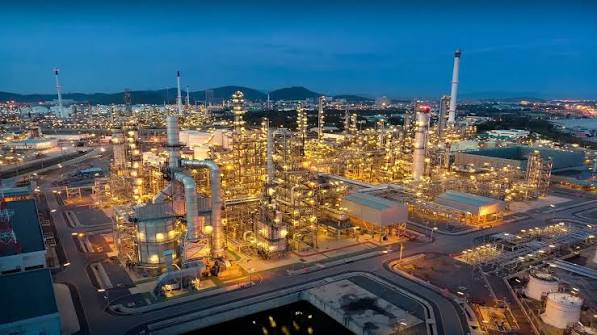
Hydrogen Peroxide (35%) - Thailand
Market Implications
The growing preference for specialty chemical assets is influencing investment and business strategies across the agrochemical sector.
Key market impacts include:
Increased investment in specialty chemical innovation
Greater demand for value-added agrochemical intermediates
Higher valuations for technology-driven businesses
Increased focus on research and product development
Stronger partnerships between manufacturers and customers
Greater emphasis on differentiated product portfolios
As agricultural challenges become more complex, demand for innovative and high-performance chemical solutions is expected to continue growing.
Procurement Considerations
Procurement teams should increasingly evaluate suppliers based on technical capabilities as well as pricing.
Recommended considerations include:
Partner with suppliers offering technical expertise
Evaluate product consistency and quality standards
Assess suppliers' innovation capabilities
Build long-term relationships with strategic partners
Diversify sourcing while prioritizing value-added suppliers
Monitor supplier investments in technology and product development
Working with technically capable suppliers can improve product performance, reduce operational risks, and support long-term business growth.
Looking Ahead
PwC's outlook reinforces a broader shift within the chemicals industry: companies that deliver innovation, formulation expertise, and customer-focused solutions are expected to remain more resilient than businesses competing solely on scale or cost. For agrochemical intermediate producers, investing in specialized technologies, product development, and customer collaboration may become increasingly important as global competition intensifies.
Over the coming years, businesses that successfully combine manufacturing excellence with technical expertise are likely to strengthen their market position, attract strategic investment, and build more resilient supply chains.
Key Takeaways
PwC highlights continued investor preference for specialty chemical businesses with differentiated capabilities.
Technology, formulation expertise, and customer relationships are becoming key competitive advantages.
Agrochemical intermediate producers can improve resilience by focusing on value-added products rather than price competition alone.
Procurement teams should evaluate suppliers based on technical capabilities alongside cost and reliability.
Innovation and customer collaboration are expected to remain major drivers of long-term growth in the specialty chemicals industry.
Found this useful?