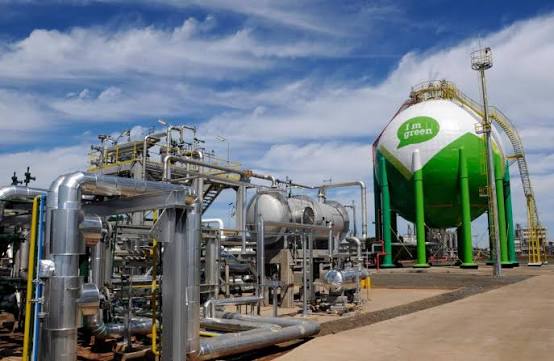
Specialty Solvents: Post-Hormuz Procurement Strategy
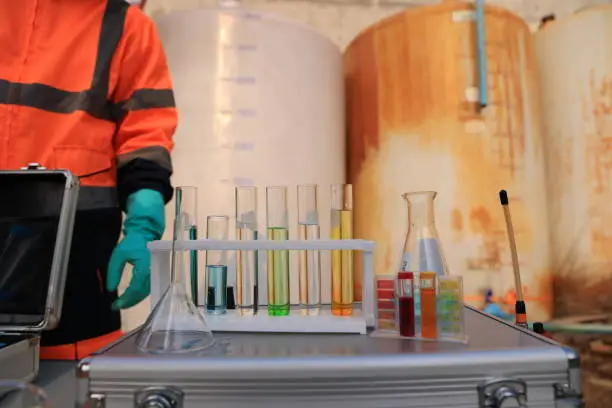
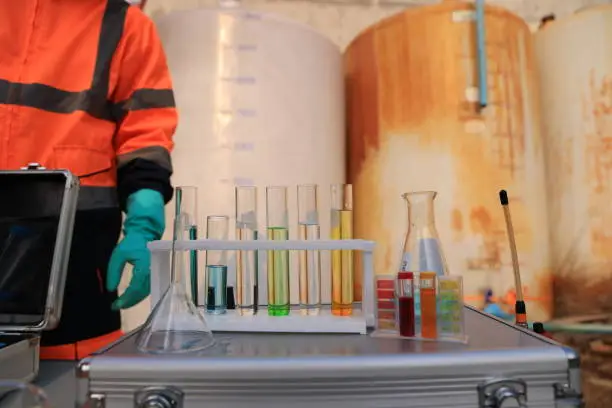
Specialty Solvents: Post-Hormuz Procurement Strategy for N-Butanol, MIBK, and Cyclohexanone
Introduction
The Strait of Hormuz remains one of the world's most strategically important energy and chemical trade corridors. Any disruption, heightened security concerns, or shipping uncertainty in the region can quickly affect global petrochemical supply chains. For industries dependent on specialty solvents such as N-Butanol, Methyl Isobutyl Ketone (MIBK), and Cyclohexanone, procurement strategies have become increasingly focused on risk mitigation, supplier diversification, and inventory resilience.
As markets adjust to the post-Hormuz risk environment in 2026, procurement teams are reassessing sourcing models to ensure continuity of supply while controlling costs. The goal is no longer simply obtaining the lowest-priced material but building a more reliable and flexible supply network.
Why These Solvents Matter
N-Butanol, MIBK, and Cyclohexanone are essential intermediates and solvents used across numerous industries.
N-Butanol
N-Butanol is widely used in:
Coatings and paints
Adhesives and sealants
Chemical intermediates
Plasticizers
Industrial cleaners
Its strong solvency and compatibility with multiple formulations make it a key raw material in manufacturing.
Methyl Isobutyl Ketone (MIBK)
MIBK serves important functions in:
Surface coatings
Rubber processing
Printing inks
Extraction processes
Industrial cleaning applications
Demand remains closely linked to industrial production and specialty coatings markets.
Cyclohexanone
Cyclohexanone is primarily used in:
Nylon intermediates
Coatings formulations
Solvent blends
Adhesives
Specialty chemical production
Because it is connected to both solvents and engineering plastics value chains, supply-demand conditions can be influenced by multiple end-use industries.
How Hormuz-Related Risks Affect Solvent Markets
The Strait of Hormuz handles a significant portion of global energy and petrochemical exports. Even when physical supply remains available, uncertainty can impact markets through:
Increased Freight Costs
Shipping companies often apply risk premiums during periods of regional instability, increasing transportation expenses.
Longer Transit Times
Alternative routing options may extend delivery schedules and reduce supply-chain efficiency.
Inventory Tightness
Buyers often increase purchasing activity during uncertain periods, creating temporary shortages and market volatility.
Feedstock Price Volatility
Many solvent production chains depend on petrochemical feedstocks whose prices can react quickly to geopolitical developments.
Market Outlook for N-Butanol
N-Butanol markets are expected to remain relatively balanced in the second half of 2026. Production capacity in Asia and North America continues to support global availability.
Procurement Considerations
Secure contracts with multiple regional suppliers.
Monitor propylene market developments closely.
Maintain strategic inventory buffers for critical operations.
Evaluate local sourcing opportunities where feasible.
Companies heavily dependent on imports from a single region may face greater exposure to logistics disruptions.
Market Outlook for MIBK
MIBK remains a relatively specialized solvent market with fewer global producers compared to some commodity chemicals. This can amplify supply risks during periods of geopolitical uncertainty.
Procurement Considerations
Develop secondary supplier qualifications in advance.
Diversify sourcing across multiple geographic regions.
Use long-term contracts for critical volume requirements.
Monitor acetone feedstock market trends.
Because supplier concentration remains relatively high, proactive planning is particularly important for MIBK buyers.
Market Outlook for Cyclohexanone
Cyclohexanone demand continues to be influenced by both solvent applications and nylon production economics. Supply conditions have improved compared with previous years, but market participants remain cautious.
Procurement Considerations
Track benzene and cyclohexane feedstock pricing.
Assess supplier exposure to high-risk logistics routes.
Maintain visibility into downstream nylon market trends.
Consider inventory optimization programs to balance cost and supply security.
Building a Post-Hormuz Procurement Strategy
Diversify Geographic Sources
Organizations should avoid excessive dependence on any single region. A balanced portfolio of suppliers across Asia, North America, Europe, and other production centers can improve resilience.
Strengthen Supplier Relationships
Collaborative relationships with strategic suppliers often provide better visibility into market developments, allocation risks, and production planning.
Increase Supply Chain Transparency
Digital procurement tools and supply-chain monitoring systems can help organizations identify potential disruptions earlier and respond more effectively.
Implement Risk-Based Inventory Management
Rather than maintaining uniform inventory levels across all materials, companies should classify solvents according to supply risk and business criticality.
Review Contract Structures
Flexible agreements that include contingency supply provisions can help reduce exposure to sudden market disruptions.
Opportunities Emerging from Market Realignment
The post-Hormuz environment is also creating opportunities for buyers.
Regional Production Investments
Several regions are increasing investments in chemical manufacturing capacity to reduce reliance on long-distance imports.
Supply Chain Digitization
Advanced analytics and procurement platforms are improving demand forecasting and inventory management.
Strategic Partnerships
Manufacturers and buyers are increasingly entering collaborative supply agreements designed to enhance long-term stability.
Key Risks to Monitor
Despite improving market conditions, procurement teams should continue tracking:
Geopolitical developments affecting shipping routes
Crude oil and petrochemical feedstock prices
Port congestion and freight availability
Planned and unplanned plant outages
Regional regulatory changes impacting chemical trade
Early identification of these factors can significantly improve procurement decision-making.
Conclusion
The post-Hormuz market environment is reshaping procurement strategies for N-Butanol, MIBK, and Cyclohexanone. While global supply remains available, buyers are placing greater emphasis on resilience, diversification, and risk management. Companies that proactively strengthen supplier networks, improve market visibility, and adopt flexible sourcing strategies will be better positioned to maintain supply continuity and control costs in an increasingly complex chemical marketplace.
Acesulfame Potassium (E950)

Found this useful?