SRF's Continued Dahej Agrochemical Capex Signals Sustained Indian Crop Protection Investment
SRF's Continued Dahej Agrochemical Capex Signals Sustained Indian Crop Protection Investment
Introduction
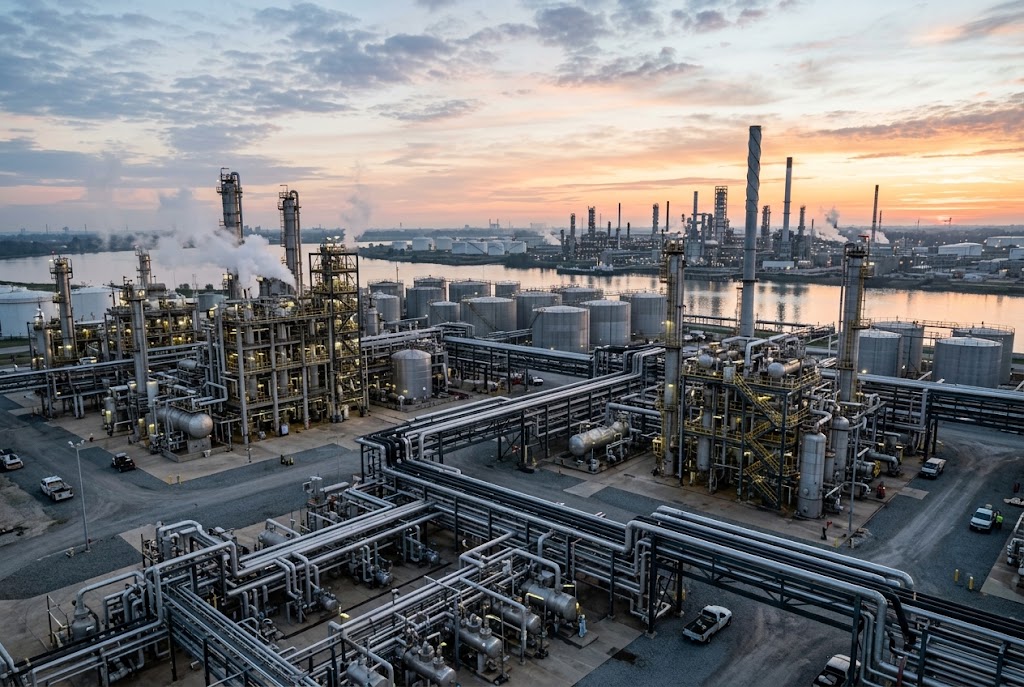
India's agrochemical industry is entering a new phase of strategic expansion, with manufacturers investing in advanced production capabilities to meet rising domestic and global demand. Among the companies leading this transformation is SRF Limited, whose continued capital investments at its Dahej, Gujarat chemical complex highlight growing confidence in India's crop protection sector.
Following the successful commissioning of its agrochemical intermediate facility in 2025, SRF has approved another major investment to establish a new agrochemical production plant at Dahej. Rather than being an isolated project, this expansion reflects a broader industry trend: companies are positioning themselves for long-term growth as demand for specialty agrochemicals, export-oriented manufacturing, and sustainable crop protection solutions increases. (Business Standard)
SRF Strengthens Its Agrochemical Manufacturing Base
SRF has consistently expanded its specialty chemicals business over the past decade, with Dahej emerging as one of its most important manufacturing hubs.
The company completed commissioning of an agrochemical intermediate facility at Dahej in April 2025 with a total project cost of approximately ₹239 crore, slightly above its original estimate due to project execution requirements. The facility enhances SRF's ability to manufacture high-value agrochemical intermediates used by global crop protection companies. (Business Standard)
Building on that momentum, SRF's board approved another ₹250 crore investment in July 2025 to establish an additional agrochemical production facility at Dahej. The project is expected to be completed within approximately 18 months and will be financed through internal accruals and debt. (NDTV Profit)
This sequence of investments demonstrates SRF's long-term commitment to expanding its presence in the global agrochemical value chain rather than responding to short-term market fluctuations.
Why Dahej Has Become a Strategic Manufacturing Hub
Dahej, located in Gujarat, has evolved into one of India's premier chemical manufacturing clusters.
Its strategic advantages include:
World-class port connectivity for exports
Integrated chemical infrastructure
Reliable utilities and logistics
Access to raw materials
Established supplier ecosystem
Government support for industrial development
These factors allow manufacturers such as SRF to improve production efficiency while serving customers across Europe, North America, Latin America, and Asia.
The concentration of chemical manufacturing facilities also enables companies to benefit from shared infrastructure and reduced transportation costs, making Dahej an increasingly attractive destination for future chemical investments.
Rising Global Demand Supports Capacity Expansion
The timing of SRF's expansion is significant.
After several challenging years characterized by inventory corrections and pricing pressure, the global agrochemical market has begun showing signs of recovery. Industry participants are reporting improving demand for crop protection products, particularly for specialized molecules and intermediates.
Several factors are driving renewed optimism:
Inventory normalization across global markets
Increasing demand for specialty agrochemicals
Recovery in export orders
Growing need for food security
Higher adoption of advanced crop protection products
Expansion of contract manufacturing opportunities
These trends create favorable conditions for companies with scalable manufacturing capabilities and strong research expertise. (dsij.in)
India's Growing Role in Global Agrochemical Supply Chains
India has steadily emerged as one of the world's leading producers of agrochemical active ingredients and intermediates.
Several structural advantages support this position:
1. China+1 Diversification
Many multinational chemical companies continue diversifying their supply chains beyond China to reduce concentration risk.
India has become one of the biggest beneficiaries of this strategy because of its:
Skilled workforce
Manufacturing expertise
Regulatory compliance
Competitive production costs
2. Strong Research Capabilities
Indian specialty chemical manufacturers increasingly collaborate with global innovators to develop custom molecules and manufacturing processes.
This shift moves companies higher in the value chain, generating stronger margins and longer customer relationships.
3. Export Competitiveness
Indian manufacturers now export crop protection products to over 100 countries, supplying both generic and patented intermediates.
Facilities like Dahej provide the production scale necessary to meet international quality standards consistently.
Benefits for India's Agricultural Sector
Although much of SRF's specialty chemicals business serves export markets, expanded domestic manufacturing also supports Indian agriculture.
Increased investment in agrochemical production contributes to:
Improved availability of crop protection products
Better supply chain reliability
Faster commercialization of new molecules
Enhanced agricultural productivity
Reduced dependence on imported intermediates
As Indian agriculture modernizes, demand for effective herbicides, fungicides, insecticides, and specialty crop protection solutions is expected to continue growing.
Economic Impact Beyond Agriculture
Large-scale chemical investments generate benefits that extend beyond the crop protection industry.
These projects create:
High-skilled manufacturing jobs
Engineering and construction opportunities
Logistics demand
Local supplier development
Export earnings
Increased tax revenues
Industrial clusters like Dahej also encourage additional investments from downstream manufacturers, strengthening India's broader specialty chemicals ecosystem.
Sustainability Remains a Key Priority
Modern agrochemical facilities are designed with greater emphasis on environmental performance than earlier generations of chemical plants.
Manufacturers increasingly invest in:
Energy-efficient production systems
Waste minimization technologies
Water recycling
Emission control systems
Process optimization
Regulatory compliance
As environmental standards tighten globally, companies with modern manufacturing infrastructure will likely enjoy stronger competitive advantages in international markets.
Challenges Still Exist
Despite positive industry trends, several risks remain.
Global Pricing Pressure
Competition from international producers continues to influence margins, particularly for commodity chemicals.
Regulatory Requirements
Agrochemicals remain among the most heavily regulated chemical products worldwide. Companies must continuously invest in compliance and product stewardship.
Raw Material Volatility
Feedstock prices can fluctuate significantly, affecting production costs.
Geopolitical Uncertainty
Trade policies, tariffs, and global supply chain disruptions can influence export demand and investment decisions. (dsij.in)
What This Means for the Industry
SRF's continued investment at Dahej sends a strong signal regarding management's confidence in the long-term prospects of India's specialty chemicals and crop protection sectors.
Rather than slowing expansion after completing one major facility, the company is adding further production capacity, indicating expectations of sustained customer demand and future growth.
For the broader industry, this reinforces several key themes:
India continues strengthening its position as a global agrochemical manufacturing hub.
Specialty chemical investments remain a strategic priority.
Export-oriented manufacturing is gaining momentum.
Long-term demand for advanced crop protection products remains positive.
Conclusion
SRF's ongoing capital investments at its Dahej chemical complex represent more than routine capacity expansion—they reflect the evolving strength of India's agrochemical industry.
With a recently commissioned ₹239 crore agrochemical intermediate facility and a newly approved ₹250 crore production plant, SRF is positioning itself to capture opportunities created by global supply-chain diversification, recovering agrochemical demand, and rising investment in specialty chemicals. (Business Standard)
As India continues expanding its role in global crop protection manufacturing, projects like these will help strengthen exports, improve domestic manufacturing capabilities, create skilled employment, and reinforce the country's position as a preferred destination for specialty chemical production. For investors and industry stakeholders alike, SRF's continued commitment to Dahej signals confidence that the long-term growth story of Indian crop protection remains firmly intact.
Found this useful?