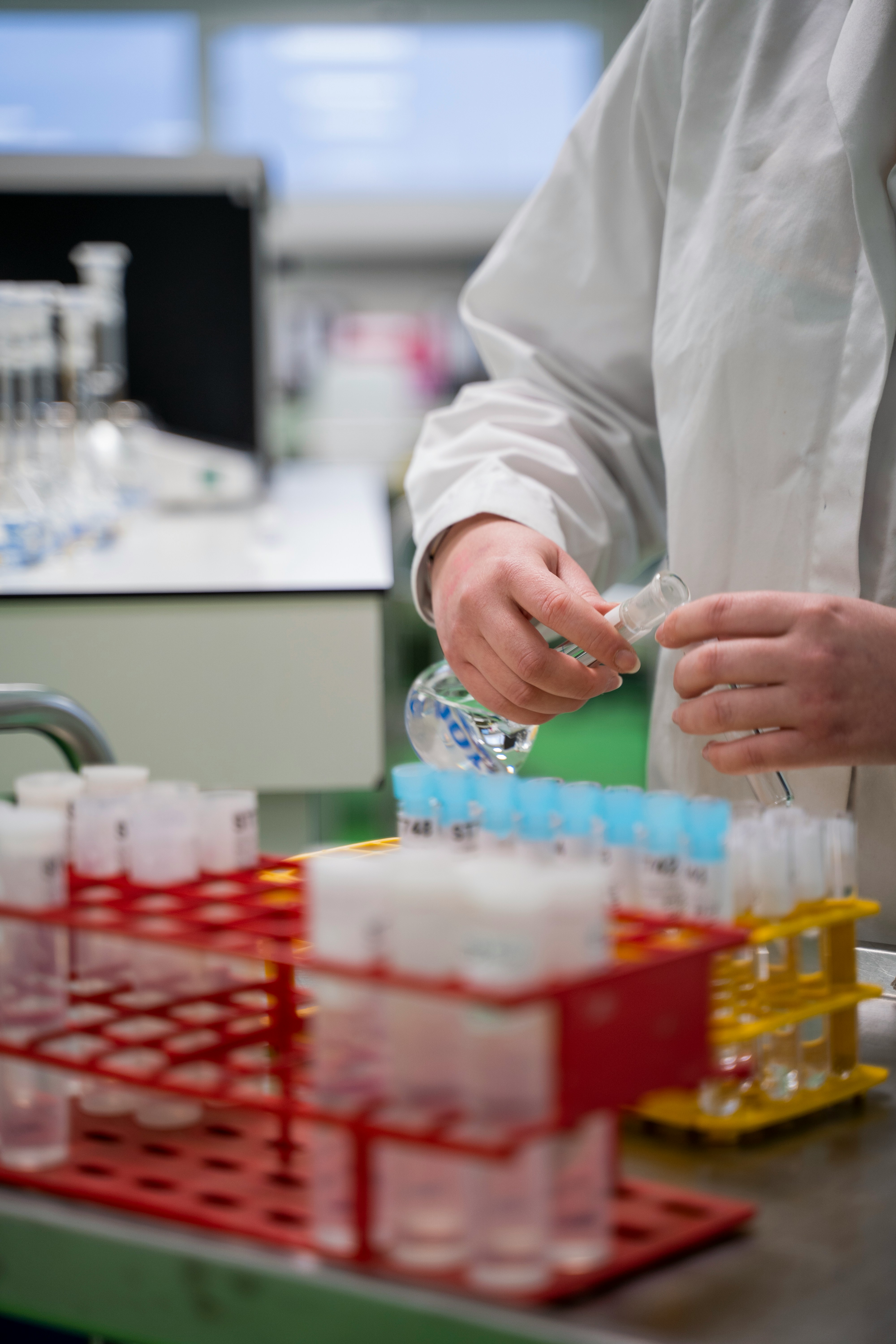
Sterile Manufacturing Chemicals: Applications in Pharmaceutical Production
Sterile Manufacturing Chemicals: Applications in Pharmaceutical Production
Sterile pharmaceutical manufacturing requires strict control of microbial, particulate and endotoxin/pyrogen contamination. Within this highly controlled environment, chemicals used for cleaning, disinfection, sanitization and process support play an important role in maintaining facility and equipment hygiene.
Sterile manufacturing is governed by stringent Good Manufacturing Practice (GMP) requirements. EU GMP Annex 1, WHO guidance and FDA requirements emphasize validated processes, contamination-control strategies, appropriate facility design and effective cleaning and disinfection procedures.
What Are Sterile Manufacturing Chemicals?
Sterile manufacturing chemicals are substances used to support pharmaceutical production while maintaining the required level of cleanliness and contamination control. They can include cleaning agents, disinfectants, sanitizing agents, sporicidal products and chemicals used in water and process systems.
For sterile production, the selection and use of these chemicals must be controlled because inappropriate concentrations, residues or ineffective application can create contamination and product-quality risks.
Key Applications in Pharmaceutical Production
Cleanroom Cleaning and Disinfection
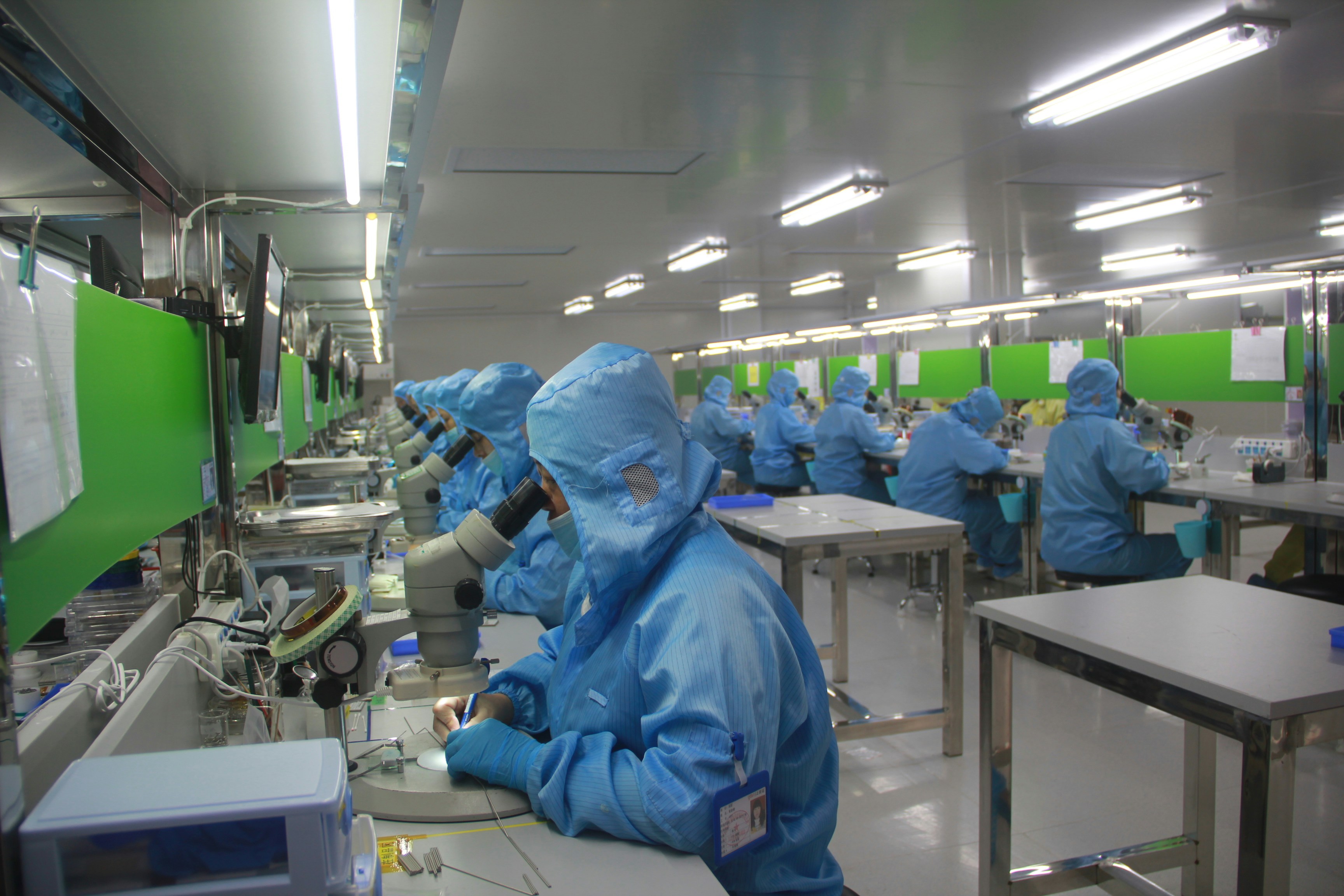
Cleanrooms are central to sterile pharmaceutical manufacturing. Cleaning removes visible contamination and residues, while disinfection is used to reduce microorganisms on surfaces.
WHO guidance states that cleanrooms should be cleaned and disinfected according to a written programme. It also recommends using more than one type of disinfecting agent with different modes of action and periodically using a sporicidal agent.
Common chemical categories can include:
Alcohol-based disinfectants
Hydrogen-peroxide-based systems
Quaternary ammonium compounds
Other validated disinfectant formulations
Sporicidal agents
Low-residue cleaning detergents
The appropriate chemical depends on the facility, surface material, microbial-control strategy and regulatory requirements.
Equipment Cleaning
Pharmaceutical manufacturing equipment must be cleaned to prevent product residues, microorganisms and cross-contamination.
Cleaning agents are selected according to the type of residue being removed and the material of construction of the equipment. Cleaning procedures should define factors such as concentration, application method, contact time and rinsing requirements.
FDA GMP guidance emphasizes that equipment surfaces contacting components, in-process materials or drug products should not adversely affect the product's safety, identity, strength, quality or purity.
Sanitization of Production Areas
Sanitizing chemicals can be used on floors, walls, equipment exteriors and other controlled surfaces. Their purpose is to support the facility's contamination-control strategy between manufacturing activities.
A key consideration is chemical compatibility. Repeated exposure to aggressive chemicals can damage stainless steel, plastics, seals, coatings and other materials if the formulation is not suitable for the application.
Sporicidal Treatment
Some microorganisms can form spores that are more resistant to conventional disinfectants. For this reason, sterile manufacturing facilities generally incorporate sporicidal treatment into their environmental-control programmes.
WHO guidance specifically recommends periodic use of a sporicidal agent as part of cleanroom disinfection programmes.
The frequency and application method should be established through the manufacturer's validated contamination-control programme rather than through a generic schedule.
Water and Pharmaceutical Manufacturing
Water is another critical material in pharmaceutical production. Different grades of pharmaceutical water have different specifications and applications.
Water for Injection (WFI), for example, is used as a pharmaceutical manufacturing material, and water systems require appropriate design, control and maintenance. FDA documentation identifies purified water and WFI as important materials used in drug-product manufacturing.
Water systems must also be protected from microbial contamination and other quality risks. Consequently, chemicals and sanitization methods used for water-system maintenance need to be compatible with the system and appropriately controlled.
Why Chemical Selection Matters
Choosing a chemical solely because it has strong antimicrobial or cleaning performance is not sufficient for sterile pharmaceutical manufacturing. Manufacturers must consider the complete application and its potential impact on product quality.
Important selection factors include:
Microbial Effectiveness
The chemical should demonstrate appropriate effectiveness against the microorganisms relevant to the manufacturing environment.
Surface Compatibility
The formulation should be compatible with stainless steel, plastics, elastomers, coatings and other materials used in production areas.
Residue Control
Chemical residues can become a contamination concern. Cleaning programmes should therefore include appropriate procedures for removing residues where required.
Concentration and Contact Time
The effectiveness of a disinfectant or cleaning agent depends on how it is prepared and applied. Concentration, contact time, temperature and application method may all affect performance.
Regulatory and Documentation Requirements
Pharmaceutical manufacturers need documented procedures, specifications and validation evidence supporting the use of critical cleaning and disinfection chemicals.
Validation Is a Critical Requirement
Sterile manufacturing chemicals cannot simply be selected and introduced into production without appropriate qualification and validation.
WHO guidance states that disinfection processes should be validated to demonstrate the suitability and effectiveness of disinfectants for their specific application and surface materials.
Similarly, FDA GMP guidance emphasizes validated cleaning procedures where contamination or carryover could affect product quality.
Validation may evaluate factors such as:
Chemical concentration
Contact time
Surface compatibility
Microbial effectiveness
Residue removal
Application method
In-use stability
Reproducibility of the cleaning process
Sterile Disinfectants for High-Grade Cleanroom Areas
Not every disinfectant used throughout a pharmaceutical facility is suitable for the highest-grade cleanroom environments.
WHO guidance specifies that disinfectants and detergents used in Grade A and Grade B areas should be sterile. Where appropriate, requirements for Grade C and D areas are determined through the contamination-control strategy.
This distinction is important for chemical suppliers because pharmaceutical manufacturers may require specialized sterile or low-residue formulations rather than conventional industrial cleaning products.
Procurement Considerations for Pharmaceutical Manufacturers
Purchasing sterile manufacturing chemicals involves more than comparing price per kilogram or litre.
Procurement teams should evaluate:
Product specifications
Certificate of Analysis (CoA)
Sterility requirements
Microbial efficacy data
Material compatibility
Residue characteristics
Packaging configuration
Shelf life and storage conditions
Batch-to-batch consistency
Supplier qualification
Regulatory documentation
Supply continuity
Supplier documentation is particularly important because pharmaceutical manufacturers must maintain traceability and demonstrate that critical materials are appropriately controlled.
The Role of Chemicals in Contamination Control
Modern sterile manufacturing increasingly relies on a comprehensive contamination-control strategy rather than treating cleaning and disinfection as isolated activities.
EU GMP Annex 1 emphasizes the prevention of microbial, particulate and endotoxin/pyrogen contamination through facility design, equipment controls, processes, monitoring, personnel practices and quality-risk management.
This means chemical selection must fit into the broader manufacturing system. A disinfectant cannot compensate for poor cleanroom design, inadequate personnel practices or an ineffective environmental-monitoring programme.
Market Outlook for Sterile Manufacturing Chemicals
Demand for specialized pharmaceutical cleaning and disinfection chemicals is closely connected to the expansion and modernization of sterile manufacturing capacity.
As pharmaceutical manufacturers adopt more advanced aseptic technologies, including isolators, Restricted Access Barrier Systems (RABS) and automated manufacturing systems, chemical suppliers are increasingly expected to provide validated products that work within tightly controlled environments. EU GMP Annex 1 specifically identifies technologies such as RABS, isolators and robotic systems as approaches that can help reduce contamination risks.
For suppliers, this creates opportunities around sterile disinfectants, low-residue cleaning formulations, sporicidal products, validated cleaning solutions and chemicals designed for compatibility with modern pharmaceutical equipment.
What Buyers Should Look for in a Supplier
For pharmaceutical buyers, supplier evaluation should focus on consistency, documentation and technical support alongside price.
A reliable supplier should be able to provide clear product specifications, batch documentation, storage requirements and application guidance. Where the chemical is used in a critical sterile process, suppliers should also be prepared to support qualification and validation activities.
The objective is not simply to purchase a chemical that cleans or disinfects effectively. It is to select a controlled material that performs consistently without introducing new contamination, residue or equipment-compatibility risks.
Sources
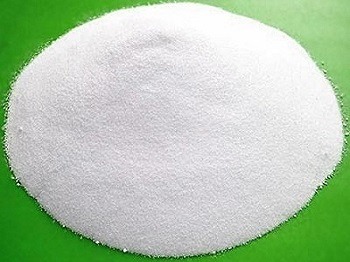
Zinc Sulphate Monohydrate
Found this useful?