Strait of Hormuz Closure and China's Chemical Exposure
When the Strait of Hormuz effectively closed in 2026, most coverage focused on oil prices and Brent crude. Analysts at Oxford Energy took a different view, arguing that the most underappreciated impact of the closure is likely to fall on China's gas users and its chemicals industry rather than on crude markets alone. For buyers sourcing naphtha, LPG or methanol linked to Chinese supply, that distinction changes how the risk should actually be tracked.
Why China's Chemical Sector Sits at the Center of This Risk
China's exposure to the Middle East runs deeper than headline crude numbers suggest. Roughly half of China's crude oil comes from the region, alongside one third of its liquefied natural gas.
Officially, China does not import oil from Iran. Trade data tracked by Kpler points to a different reality, showing an estimated 0.84 million barrels per day of Iranian crude flowing into China in 2025, down from 1.2 million barrels per day the year before. When those Iranian volumes are counted, China imported roughly half of its total crude from the Middle East in 2025.
The exposure extends well beyond crude oil itself:
Naphtha dependence. China relies on the Middle East for around 40 percent of its naphtha imports, a key feedstock for petrochemical production.
LPG dependence. Roughly 45 percent of China's LPG imports also originate from the Middle East.
Regional feedstock reliance. Asian petrochemical plants as a whole depend on the Middle East for 70 to 80 percent of their naphtha feedstock, most of which transits the Strait of Hormuz.
The Methanol and Olefins Angle Analysts Are Watching
One of the more specific risks flagged by industry analysts involves methanol. China imports large volumes of Iranian methanol, and any disruption to that flow is difficult to absorb for the country's methanol to olefins plants, which convert methanol into building blocks for plastics and other derivatives.
The disruption is not limited to Iranian supply either. Japan's Mitsubishi Gas Chemical confirmed that methanol supplies from its Ar-Razi joint venture in Saudi Arabia, one of the world's largest methanol producers with annual capacity above 4 million metric tons, have been suspended. That single supply halt illustrates how quickly a regional shock can ripple through global methanol availability.
Analysts have also pointed to a longer term shift that could follow from sustained disruption. If China's product surplus changes because of feedstock constraints, US shale based petrochemical products, which are largely insulated from Middle East geopolitical risk, could gain stronger footing in Asian markets over time.
How China Has Managed the Shock So Far
China's response to the closure has shaped how the broader global shock played out. Crude imports fell from around 11.7 million barrels per day in February to under 9 million barrels per day by late May, with the country drawing down strategic reserves that had reached roughly 1.4 billion barrels.
That single drawdown accounted for close to three quarters of the total fall in global crude imports during the disruption. Analysts at major banks pointed to Beijing's reserve drawdown as one of the main reasons Brent crude held near 100 dollars a barrel rather than spiking toward the 200 dollar levels some had forecast earlier in the crisis.
That resilience on the crude side does not extend evenly to chemicals. Reserve drawdowns can smooth out oil supply gaps in the short term, but they do not replace lost naphtha, LPG or methanol feedstock for petrochemical and olefins production in the same way.
What Buyers Should Track Going Forward
For traders and procurement teams sourcing petrochemical derivatives linked to Chinese production, the gap between how oil markets absorbed this shock and how chemical feedstocks did is the key thing to monitor.
Feedstock availability over oil price. Oil price stability does not necessarily mean naphtha, LPG or methanol supply into China has normalized, so buyers should ask suppliers directly about feedstock sourcing rather than reading oil price calm as an all clear signal.
Methanol to olefins output. Any tightening at Chinese methanol to olefins plants can affect downstream plastics availability, so buyers dependent on Chinese olefins derivatives should confirm current plant utilization rates with suppliers.
US shale based alternatives. As US petrochemical products gain ground in Asian markets amid this shift, buyers may find new sourcing options worth qualifying alongside existing Chinese and Middle East suppliers.
Regional feedstock diversification. Given how concentrated naphtha exposure is across Asian petrochemical producers generally, not just China, buyers should treat Middle East transit risk as a sector wide factor rather than a single country issue.
What This Means for Petrochemical and Plastics Buyers
The Strait of Hormuz closure has already tested how well China's chemical supply chain can absorb a sustained feedstock shock, separate from how well it absorbed the oil price shock. Naphtha, LPG and methanol flows into China's petrochemical sector remain more exposed than crude oil markets, and that exposure has direct consequences for plastics and olefins buyers downstream.
Tracking feedstock specific signals, rather than relying on oil price movements alone, gives buyers a clearer read on real supply risk as the situation develops. Ready to source methanol from verified global suppliers? Explore competitive offers on our platform today.
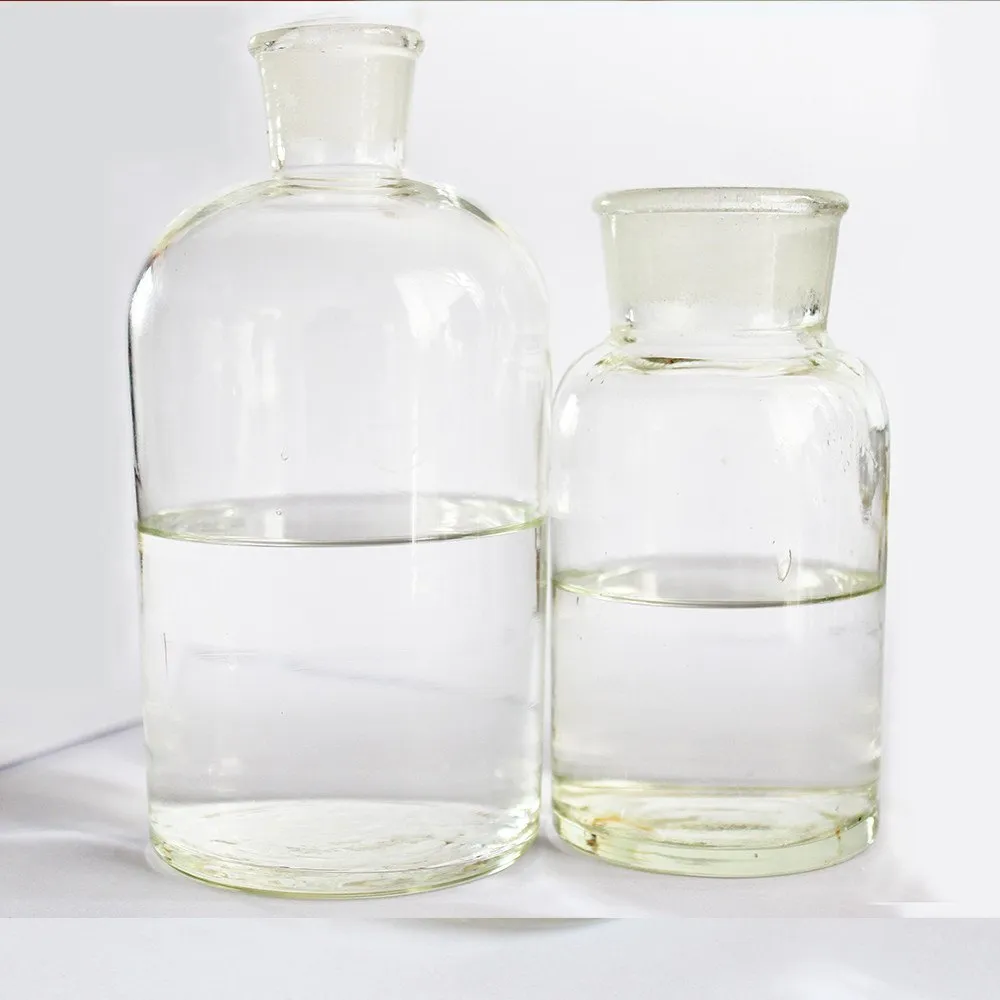
Methanol
Found this useful?