Styrene Monomer: Market Outlook and Demand from Polymer Manufacturing
Styrene monomer is an important petrochemical intermediate used in the production of plastics, synthetic rubber, resins and other polymer-based materials. Its role in polystyrene, acrylonitrile butadiene styrene (ABS), expandable polystyrene (EPS) and styrene-based copolymers makes it essential to packaging, construction, automotive and electronics manufacturing.
The styrene monomer market in 2026 faces a combination of fluctuating feedstock costs, uneven polymer demand, regional supply disruptions and competitive pressure from expanding production capacity. Although styrene remains important for industrial manufacturing, its pricing and profitability depend heavily on downstream operating rates and the availability of benzene and ethylene.
For chemical traders, procurement managers, importers and polymer manufacturers, understanding styrene market conditions can support better purchasing decisions, supplier evaluation and inventory planning. Buyers need to monitor both upstream raw material costs and downstream polymer consumption to identify changes in market direction.
1. Understanding Styrene Monomer and Its Industrial Role
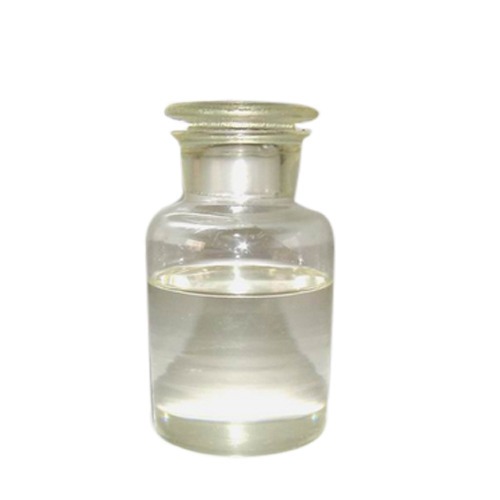
Styrene monomer, also known as vinylbenzene, is an aromatic organic compound with the molecular formula C₈H₈ and CAS number 100-42-5. It is a colourless to slightly yellow liquid with a characteristic odour and is primarily used as a building block for polymer production.
Styrene can undergo polymerisation to form polystyrene and can combine with other monomers to produce materials with different mechanical, thermal and chemical properties. This versatility supports its use across numerous manufacturing industries.
Major Styrene-Based Materials
Polystyrene (PS): Manufacturers use styrene to produce general-purpose and high-impact polystyrene for packaging, consumer products, appliance components and other moulded goods.
Expandable Polystyrene (EPS): EPS serves packaging and building insulation applications because of its lightweight structure and thermal insulation properties.
Acrylonitrile Butadiene Styrene (ABS): ABS combines styrene with acrylonitrile and butadiene to produce a material valued for impact resistance, rigidity and processability.
Styrene-Acrylonitrile (SAN): SAN provides improved chemical resistance and rigidity compared with general-purpose polystyrene, supporting selected consumer and industrial applications.
Styrene-Butadiene Rubber (SBR): SBR supports tyre manufacturing, industrial rubber goods and other elastomer applications.
Unsaturated Polyester Resins (UPR): Styrene commonly functions as a reactive diluent and crosslinking component in unsaturated polyester resin systems used for composites.
These applications connect styrene demand directly to polymer production, consumer spending and industrial manufacturing activity.
2. Styrene Monomer Production and Feedstock Economics
Commercial styrene production relies mainly on ethylbenzene, which manufacturers produce from benzene and ethylene. The conventional production route involves two principal stages.
First, benzene reacts with ethylene to form ethylbenzene. Manufacturers then convert ethylbenzene into styrene through catalytic dehydrogenation.
This production route makes styrene pricing sensitive to developments in the benzene and ethylene markets.
Benzene as a Major Cost Driver
Benzene represents an important raw material in styrene manufacturing. Changes in benzene supply, refinery operations and aromatic chemical demand can influence styrene production costs.
When benzene prices increase, styrene producers may attempt to raise selling prices to protect margins. However, weak polymer demand can limit their ability to pass higher costs to customers.
Ethylene Supply and Production Economics
Ethylene is another essential feedstock used in ethylbenzene production. Its availability depends on petrochemical production conditions, steam cracker operating rates and regional feedstock economics.
Styrene producers with integrated upstream operations may benefit from more coordinated raw material supply. Non-integrated manufacturers can face greater exposure to market fluctuations when purchasing benzene and ethylene from external suppliers.
Alternative Production Routes
Some industrial facilities produce styrene alongside propylene oxide through integrated production technologies. These processes create additional relationships between styrene supply and other petrochemical markets.
For buyers, understanding a supplier's production route can help explain cost differences, operating decisions and the potential impact of maintenance or feedstock disruptions.
3. Global Styrene Monomer Market Outlook for 2026
The global styrene monomer market remains important to the polymer industry, although market conditions differ considerably by region and product application.
According to Fortune Business Insights, the global styrene monomer market was valued at approximately USD 39.13 billion in 2025 and is projected to reach USD 40.52 billion in 2026. The same report forecasts a market value of USD 55.56 billion by 2034, representing a compound annual growth rate of approximately 4.0% during 2026–2034.
These estimates represent one research provider's market methodology rather than a confirmed industry-wide consensus. Actual market performance will depend on polymer consumption, production capacity, energy costs and regional trade conditions.
Supply and Demand Conditions
Recent market developments indicate that styrene producers continue to face uneven demand from downstream manufacturers. High feedstock costs can support selling prices, but weak polymer consumption may reduce purchasing activity.
In October 2026, industry reporting highlighted continued pressure on China's styrene market from weak domestic demand and limited producer profitability. Earlier capacity expansion increased competitive pressure, while exports helped absorb part of the available supply.
Market Growth Versus Short-Term Weakness
Long-term styrene consumption may benefit from demand for packaging, automotive materials, insulation and consumer products. However, structural demand growth does not prevent temporary periods of oversupply or falling prices.
Chemical buyers should distinguish between long-term market forecasts and immediate purchasing conditions. Short-term prices can respond rapidly to plant outages, inventory changes and shifts in feedstock availability.
4. Demand from Polystyrene Manufacturing
Polystyrene manufacturing represents one of the largest outlets for styrene monomer. Producers convert styrene into polymers used across packaging, household products, appliances and industrial components.
The polystyrene market includes general-purpose polystyrene and high-impact polystyrene, which offer different performance characteristics for manufacturing applications.
Packaging Applications
Polystyrene is used in selected rigid packaging, protective packaging and food-service products. Demand depends on consumer spending, manufacturing activity and packaging requirements.
However, changing environmental regulations, recycling requirements and competition from alternative materials can influence demand in certain applications.
Consumer Goods and Appliances
Manufacturers use polystyrene in appliance components, household goods and selected electronic products. Production levels in these industries can affect the consumption of styrene-based materials.
Weak consumer demand or inventory reductions may lower polymer production rates and reduce styrene purchasing requirements.
Implications for Styrene Suppliers
Polystyrene producers generally monitor styrene prices alongside finished polymer selling prices. When raw material costs increase faster than polymer prices, manufacturers may experience margin pressure.
This can lead to reduced operating rates, delayed purchases or shorter inventory cycles. Styrene suppliers should therefore monitor polymer production economics rather than relying only on upstream feedstock movements.
5. Expandable Polystyrene Demand in Packaging and Construction
Expandable polystyrene is another important styrene derivative. Its lightweight structure and insulating properties support protective packaging, thermal insulation and construction applications.
Construction and Insulation
EPS is used in building insulation systems and other applications that require lightweight thermal insulation materials. Demand can respond to construction activity, energy-efficiency requirements and infrastructure investment.
However, higher construction costs, slower property development and changing building regulations can affect consumption.
Protective Packaging
EPS protects fragile products during storage and transportation. Manufacturers use it in packaging for appliances, electronics and selected industrial equipment.
Demand depends on product shipments, manufacturing output and the use of alternative protective packaging materials.
Seasonal Demand Patterns
EPS consumption can vary with construction cycles and manufacturing schedules. Producers may increase operating rates during periods of stronger demand and reduce output when orders weaken.
For styrene buyers, monitoring EPS plant utilisation can provide useful signals about near-term monomer demand.
6. ABS and Engineering Plastics: Higher-Value Demand Applications
ABS is an important engineering thermoplastic used in automotive components, electronic housings, appliances and consumer products. It combines the properties of three monomers to provide a balance of toughness, rigidity and processing performance.
Styrene contributes rigidity and processability to ABS, while acrylonitrile and butadiene provide other performance characteristics.
Automotive Manufacturing
Automotive manufacturers use ABS in selected interior and exterior components. Vehicle production trends, component design and material substitution influence demand.
The transition toward electric vehicles may create opportunities for specialised polymer applications, although the effect on styrene consumption depends on material selection and vehicle production volumes.
Electrical and Electronics Applications
ABS supports the production of electronic housings, appliance components and other moulded products. Demand depends on electronics manufacturing, replacement cycles and consumer purchasing activity.
Manufacturers often require consistent polymer quality and reliable material supply, making feedstock availability important to production planning.
Market Implications
ABS manufacturers respond to changes in styrene, acrylonitrile and butadiene prices. Rising costs for any of these raw materials can affect production margins and purchasing decisions.
Styrene suppliers should therefore consider the wider engineering plastics market when evaluating demand from ABS producers.
7. Regional Styrene Market Trends and Trade Flows
Regional styrene markets differ according to production capacity, feedstock availability, downstream demand and international trade relationships.
Asia-Pacific
Asia-Pacific is the largest regional styrene market in the Fortune Business Insights estimate, accounting for approximately 57.16% of global market value in 2025.
China plays a central role in regional production and consumption. Its extensive styrene and polymer manufacturing capacity influences prices, operating rates and export availability across Asia.
Recent industry reporting indicates that China's styrene capacity expansion has slowed after earlier investment. Persistent margin pressure and weak domestic demand have encouraged producers to adjust operating rates, while exports remain an important outlet for surplus production.
India and Southeast Asian markets provide additional demand from packaging, appliances, automotive manufacturing and construction-related industries.
North America
North America has established styrene production and downstream polymer manufacturing. Feedstock costs, plant operating rates and industrial demand influence regional pricing.
Buyers should monitor benzene and ethylene costs, maintenance schedules and the availability of domestic and imported material.
Europe
European styrene producers face competition from international suppliers and exposure to regional energy costs. Demand from packaging, automotive manufacturing and construction influences polymer production and monomer consumption.
Higher operating costs can affect the competitiveness of certain facilities, making plant rationalisation and production efficiency important market considerations.
Middle East
The Middle East has historically supplied styrene to international markets, supported by integrated petrochemical infrastructure. Regional exports connect producers with buyers in Asia, Europe and other destinations.
Shipping disruptions and geopolitical developments can affect the availability of export cargoes. Importers should therefore evaluate alternative origins and transport routes when planning purchases.
8. Key Factors Influencing Styrene Monomer Prices
Styrene prices reflect the interaction of upstream production costs, regional supply conditions and downstream polymer demand.
Benzene and Ethylene Prices
Higher benzene and ethylene costs can increase styrene production expenses. However, the ability to pass those increases to customers depends on polymer demand and competition between suppliers.
Plant Maintenance and Operating Rates
Scheduled maintenance, unplanned shutdowns and production adjustments can temporarily reduce supply. Large integrated facilities may also respond to changes in upstream or downstream operations.
Downstream Polymer Demand
Polystyrene, EPS, ABS and other styrene derivatives influence monomer consumption. Weak polymer orders can limit styrene price increases even when feedstock costs rise.
Freight and Trade Disruptions
International shipments depend on tanker availability, port operations, insurance costs and trade routes. Disruptions can change delivered prices and encourage buyers to source from alternative regions.
Inventory and Purchasing Behaviour
High inventories may reduce immediate purchasing requirements, while low inventories can support restocking demand. Buyers should assess inventory trends alongside actual polymer production rather than treating restocking as evidence of sustained consumption growth.
9. Procurement Considerations for Industrial Styrene Buyers
Styrene procurement requires attention to commercial pricing, product quality, storage requirements and supplier reliability.
Verify product specifications. Buyers should confirm styrene purity, inhibitor requirements, water content and other relevant quality parameters. Product specifications should match the intended polymerisation process.
Review storage and transport conditions. Styrene is flammable and can polymerise under unsuitable conditions. Storage and transportation must follow supplier instructions, applicable regulations and professionally developed procedures for temperature control, inhibitor management and inventory monitoring.
Compare total delivered costs. Evaluate product price, freight, insurance, port charges and inland transportation. A lower supplier quotation may not provide the best value after logistics costs.
Monitor upstream feedstocks. Track benzene, ethylene and relevant energy markets to understand changes in styrene production economics.
Assess downstream demand. Review PS, EPS and ABS operating rates, customer orders and inventory conditions before making large purchasing commitments.
Diversify qualified suppliers. Alternative suppliers can reduce dependence on a single production facility or trade route. However, buyers should verify technical compatibility and regulatory compliance before changing sources.
Plan procurement around actual consumption. Align purchasing volumes with production schedules and approved storage capacity. Avoid excessive inventory accumulation during uncertain market conditions.
10. Market Outlook: Opportunities and Risks for 2027
Looking toward 2027, the styrene market is likely to remain sensitive to the balance between available production capacity and downstream polymer demand.
Potential growth in packaging, construction materials, electronics and automotive applications may support consumption over time. However, high operating costs, weak margins and competition from alternative materials could limit growth in certain markets.
China's production capacity and export activity will remain important influences on regional supply. Buyers should monitor plant commissioning schedules, operating rates and the ability of producers to maintain profitability.
Feedstock volatility also remains a significant risk. Changes in crude oil, benzene and ethylene prices can affect styrene manufacturing economics even when downstream demand remains relatively stable.
For international traders, opportunities may emerge when regional supply disruptions create demand for alternative origins. Successful transactions will depend on competitive delivered pricing, reliable logistics and verified product quality.
What Polymer Manufacturers and Buyers Should Do Now
Styrene monomer remains an essential raw material for polystyrene, ABS, EPS, synthetic rubber and other polymer-based products. Its market outlook depends on the interaction of feedstock costs, manufacturing capacity, regional trade flows and downstream industrial demand.
Polymer manufacturers should monitor benzene and ethylene pricing, styrene plant operating rates and changes in finished polymer demand. Importers and distributors should compare qualified suppliers, assess logistics exposure and maintain purchasing flexibility when market conditions change.
A structured procurement strategy can help buyers respond to price volatility while protecting product quality and continuity of supply.
Styrene Monomer
Found this useful?