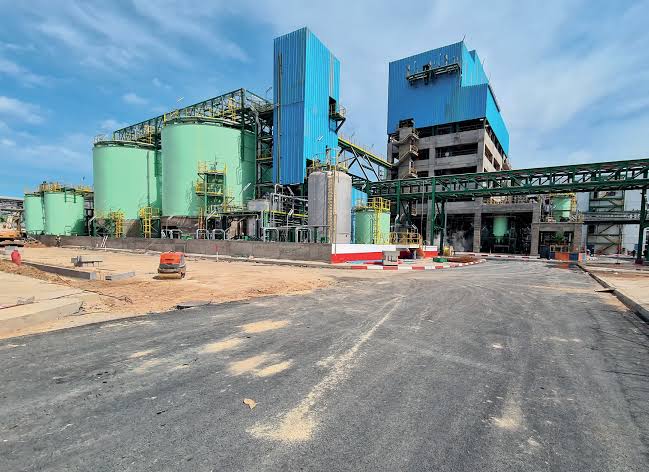
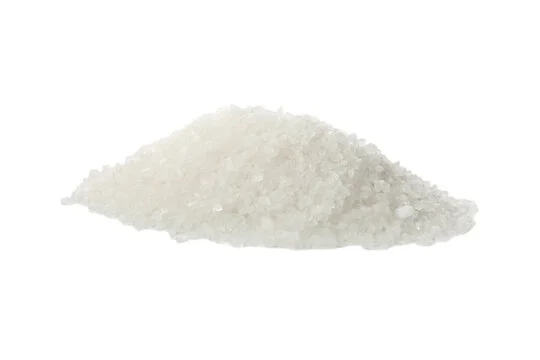
Sulphur rarely attracts the same market attention as crude oil or natural gas.
Yet within the phosphate fertilizer industry, it remains one of the most strategically important raw materials.
Without a reliable supply of elemental sulphur, manufacturers cannot produce the sulphuric acid required to convert phosphate rock into phosphoric acid and downstream fertilizers such as DAP (Diammonium Phosphate) and MAP (Monoammonium Phosphate).
For procurement professionals, understanding this connection is essential when assessing fertilizer supply security.
Sulphur Is the Foundation of Phosphate Processing
Modern phosphate fertilizer production depends heavily on sulphuric acid.
The production chain generally follows this sequence:
Elemental sulphur.
Sulphuric acid production.
Phosphate rock processing.
Phosphoric acid production.
DAP production.
MAP production.
Other phosphate fertilizers.
Any disruption affecting sulphur availability can therefore influence multiple downstream fertilizer products.
Global Sulphur Supply Remains Concentrated
A significant share of global sulphur production is associated with oil and gas refining and natural gas processing.
Major producing regions include:
Gulf countries.
Canada.
United States.
Kazakhstan.
Russia.
Because a substantial proportion of internationally traded sulphur originates from energy-producing regions, geopolitical developments affecting energy logistics can also influence sulphur availability.
Procurement Should Monitor More Than Fertilizer Prices
Fertilizer procurement often focuses primarily on finished product pricing.
However, upstream feedstocks provide valuable early warning indicators.
Key variables include:
Monitoring these indicators may help procurement teams anticipate changes before they appear in downstream fertilizer pricing.
Supply Diversification Reduces Risk
Recent market conditions reinforce the importance of diversified sourcing strategies.
Procurement organisations purchasing sulphuric acid or phosphate-related products should periodically evaluate:
Diversification does not eliminate disruption risk, but it can improve overall supply continuity.
Technology May Improve Long-Term Supply Resilience
Research into alternative sulphur sources, including recovery from sulphide-bearing minerals and other technologies, demonstrates that producers continue exploring methods to strengthen future feedstock security.
Although these developments may enhance long-term resilience, they are generally medium- to long-term initiatives rather than immediate commercial solutions.
For today's procurement teams, operational supply planning remains the priority.
Diversification Should Extend Beyond Finished Products
Procurement teams often diversify fertilizer suppliers while relying on a limited number of upstream feedstock sources.
A stronger risk management approach also evaluates the resilience of critical raw materials such as sulphur.
Key considerations include:
Geographic diversity of sulphur producers.
Refinery operating stability.
Long-term supply agreements.
Logistics flexibility.
Storage capacity.
Alternative transportation routes.
Supplier financial resilience.
Understanding upstream dependencies helps reduce downstream supply risk.
North American Supply Can Strengthen Portfolio Resilience
For organisations purchasing sulphur or sulphuric acid, supplier diversification may include evaluating production from multiple regions rather than relying heavily on any single source.
Potential advantages of geographically diversified sourcing include:
Reduced exposure to regional disruption.
Greater supply continuity.
Improved logistics flexibility.
Broader contract options.
Enhanced inventory planning.
Procurement decisions should always consider supplier capability, logistics, product quality and commercial terms alongside geographic location.
Feedstock Intelligence Provides Earlier Market Signals
Monitoring upstream sulphur markets often provides earlier visibility into potential changes affecting phosphate fertilizer availability.
Useful indicators include:
Sulphur production trends.
Refinery maintenance schedules.
Export availability.
Shipping capacity.
Port operations.
Fertilizer producer purchasing activity.
Global inventory movements.
These indicators can complement traditional monitoring of fertilizer prices and contract availability.
Procurement Priorities for Q3
As procurement teams prepare sourcing strategies, practical actions may include:
Confirming contracted sulphur deliveries.
Reviewing supplier contingency plans.
Evaluating alternative regional suppliers.
Assessing inventory coverage.
Monitoring logistics developments.
Maintaining regular communication with key suppliers.
These measures support supply continuity regardless of short-term market conditions.
Looking Ahead to H2 2026
The phosphate fertilizer industry demonstrates how closely interconnected global chemical supply chains have become. A disruption affecting sulphur availability can influence sulphuric acid production, phosphoric acid manufacturing and ultimately downstream fertilizer markets. For procurement professionals, understanding these upstream relationships provides valuable context for managing sourcing risk and anticipating market developments before they appear in finished-product pricing.
While research into alternative sulphur sources may strengthen long-term feedstock security, near-term procurement decisions remain centred on supplier reliability, geographic diversification and logistics resilience. Monitoring sulphur production, refinery operations and transportation networks alongside fertilizer markets enables procurement teams to make more informed sourcing decisions and strengthen supply continuity.
The key lesson for H2 2026 is that effective fertilizer procurement begins with feedstock intelligence. Organisations that monitor upstream sulphur markets, diversify supply sources and integrate raw material analysis into procurement planning will be better positioned to manage volatility across the phosphate value chain and build more resilient supply strategies.
Ready to source sulphuric acid, phosphoric acid and phosphate fertilizer products from verified global suppliers? Explore competitive offers on our platform today.