Sulzer DEVO Purification Technology Supports BeyondPoly's 100,000 t/y POE Plant in China
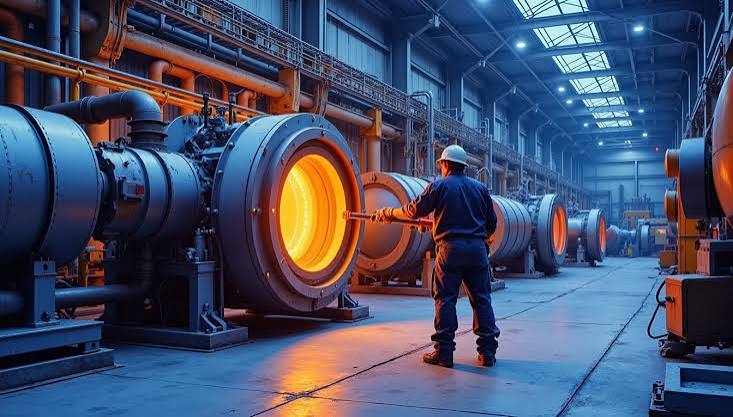
BeyondPoly's new 100,000-ton-per-year polyolefin elastomer plant in China has reached its planned production capacity with Sulzer's DEVO purification technology operating as a key part of the production process. The milestone highlights how process technology is becoming increasingly important as manufacturers expand domestic supply of high-performance polymers.
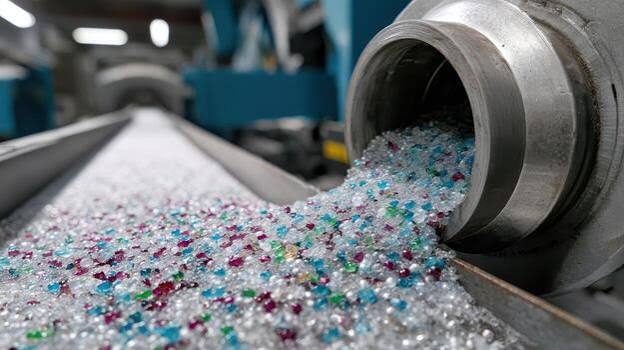
Polyolefin elastomer (POE) combines the processability and strength of plastics with the elasticity and durability associated with rubber. Its optical clarity and high light transmittance also support applications such as solar-panel encapsulants, while its mechanical performance makes it useful in electric vehicles, energy storage systems, cables and other demanding applications.
The project gives procurement teams and chemical traders another signal to watch in China's expanding POE supply chain. New production capacity can affect sourcing options, supplier relationships and regional trade flows for downstream users.
BeyondPoly's 100,000 t/y POE Plant Reaches Planned Capacity
BeyondPoly and Sulzer have signed the final acceptance certificate for the DEVO purification unit. The certificate confirms that the system has been installed and tested and is operating as intended at BeyondPoly's new POE facility.
The plant has a nameplate production capacity of 100,000 tonnes per year. Its ramp-up to planned capacity adds domestic POE production capability to China's industrial materials supply chain.
For buyers, the operational milestone matters because POE serves applications where material consistency and performance are critical. Solar-panel manufacturers, automotive companies and energy-storage producers need polymers that can meet demanding requirements across temperature changes, mechanical stress and long service periods.
Why Purification Matters in POE Production
POE production can leave residual compounds in the polymer that need removal before the material reaches demanding end-use applications. The purification stage therefore plays a direct role in achieving the required product quality.
Sulzer's DEVO technology performs this purification through a devolatilization process. The system is designed to remove residual volatile compounds while preserving the properties that make POE valuable.
The technology focuses on several production objectives:
Low residual volatile content: Removing unwanted residual compounds supports consistent material quality for downstream applications.
Controlled processing: The technology is designed to treat polymer material efficiently while limiting conditions that could damage sensitive products.
Energy efficiency: Sulzer positions DEVO as a lower-energy option compared with alternative technologies that rely on heavy rotating equipment.
Operational reliability: The system's design reduces dependence on moving mechanical components, which can also reduce maintenance requirements.
For a large-scale POE plant, these factors can influence both production stability and the economics of the overall process.
Sulzer's DEVO Technology and Industrial-Scale Processing
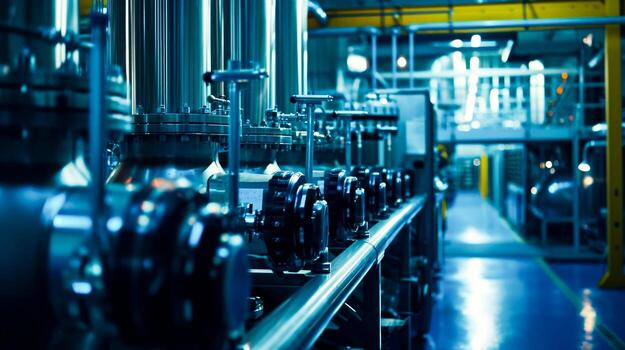
Sulzer's DEVO technology combines static mixing, heat transfer and flash separation to remove volatile components from polymer materials. The approach allows producers to control heating and separation during the purification stage.
Sulzer identifies POE as one of the polymer applications for its devolatilization technology. The technology can also serve other polymer materials where manufacturers need to reduce residual monomers, solvents or volatile organic compounds.
A major consideration for polymer producers is maintaining material quality during purification. Excessive heat, poor mixing or inefficient separation can affect sensitive materials, so controlled processing becomes important as plants move from smaller production systems to commercial scale.
The BeyondPoly project demonstrates the role of this type of technology in a large industrial POE operation. The final acceptance certificate also provides an operational milestone for the equipment supplier and plant owner.
POE Demand Is Expanding Across Advanced Manufacturing
POE has become an increasingly important material for industries that require a combination of flexibility, strength, durability and optical performance. Its use in solar applications is particularly relevant because encapsulation materials need to maintain performance under prolonged exposure to environmental and mechanical stresses.
Beyond solar panels, POE demand connects with several industrial growth areas:
Electric vehicles: POE can serve applications that require durable polymer materials capable of handling mechanical and temperature-related demands.
Energy storage: Battery and energy-storage systems create additional demand for high-performance polymer materials used in components and protective applications.
Cables: POE's flexibility and durability make it relevant to cable-related applications where long operating life matters.
Advanced manufacturing: Manufacturers can use POE where a balance between plastic processing characteristics and elastomeric performance provides a functional advantage.
This application diversity gives POE producers access to multiple downstream markets rather than relying on a single end-use segment.
What the New Chinese Capacity Means for Chemical Buyers
The addition of 100,000 tonnes per year of POE capacity gives buyers another domestic supply source to monitor. For procurement teams, new capacity can create opportunities to reassess supplier portfolios, qualification strategies and regional sourcing options.
Buyers should pay particular attention to:
Supplier qualification: New production does not automatically mean immediate suitability for every application. Buyers should evaluate grades, specifications, consistency and application performance.
Supply diversification: Domestic capacity can become part of a broader sourcing strategy alongside established international suppliers.
Application requirements: Solar, automotive and energy-storage applications can have different technical requirements, so procurement teams should match POE grades with the specific downstream process.
Supply continuity: Buyers should assess production reliability, logistics arrangements and inventory policies when onboarding a new source.
Commercial terms: Larger production capacity can change supplier negotiations around volumes, contracts, delivery schedules and pricing structures.
The key issue for traders is not simply the addition of production capacity. The more important question is how reliably that capacity can translate into commercially available material that meets buyer specifications.
China Strengthens Its Role in the POE Supply Chain
China's manufacturing base creates strong downstream demand for materials used in renewable energy, transportation, energy storage and industrial production. Increasing domestic POE production can support this manufacturing ecosystem by expanding the local availability of a strategically useful polymer.
The BeyondPoly facility therefore has significance beyond its individual production line. A 100,000-tonne-per-year operation adds meaningful capacity to the country's domestic supply base and can influence sourcing decisions for companies operating in China and nearby markets.
For international traders, this development also highlights the need to monitor China's polymer capacity additions closely. New domestic supply can affect import requirements, supplier competition and regional trade patterns over time.
The effect on individual markets will depend on production consistency, product grades, downstream demand and commercial availability. Buyers should therefore track actual market supply rather than relying only on announced nameplate capacity.
Efficiency and Product Quality Become Procurement Considerations
As polymer production scales up, procurement teams increasingly need to consider process performance alongside the basic availability of raw materials. Purification technology can influence the consistency of the finished polymer, operating costs and plant reliability.
Sulzer states that BeyondPoly selected its DEVO solution based on its experience with similar applications, its ability to achieve lower residual volatile content and its lower energy consumption compared with alternative technologies.
These factors can become commercially relevant because quality problems in a polymer supply chain can affect downstream processing, production yields and finished-product performance. Consistent purification therefore supports more than the immediate manufacturing stage.
For chemical buyers, supplier evaluation should include both product specifications and evidence of stable production performance. This is especially relevant for POE applications where material properties can directly affect the performance of finished products.
What Buyers Should Watch in the POE Market
The BeyondPoly project provides several practical signals for companies involved in POE sourcing and distribution. The most important is the continued development of production capacity in a market connected to solar energy, electric mobility and energy storage.
Procurement teams should monitor the following areas:
New Chinese capacity: Additional domestic production can change regional supply balances and sourcing patterns.
Grade availability: Commercial value depends on whether producers can supply the grades required by specific downstream applications.
Production ramp-up: Plants reaching planned capacity can have a different market impact from facilities that remain in commissioning or qualification stages.
Quality consistency: Low residual volatile content and stable polymer properties remain important for demanding applications.
Energy efficiency: Production technologies that reduce energy consumption can become increasingly relevant as manufacturers manage operating costs and sustainability objectives.
For traders, these developments create a need for closer monitoring of supplier capabilities and downstream demand. For industrial buyers, they reinforce the importance of qualifying multiple sources and reviewing supply options as new capacity enters commercial operation.
The Bottom Line for Procurement Teams
Sulzer's DEVO purification technology has reached commercial operation at BeyondPoly's 100,000-tonne-per-year POE plant in China, with the facility operating at its planned production capacity. The project demonstrates how purification technology can support product quality, low residual volatile content and energy-efficient polymer processing at industrial scale.
For the broader chemical trade, the development adds another signal that China's POE supply base is expanding alongside demand from solar panels, electric vehicles, energy storage systems, cables and advanced manufacturing. Buyers should track new capacity, grade availability, supplier qualification and commercial supply conditions as they evaluate future POE sourcing strategies.
Linear-Low Density Polyethylene (LLDPE)
Found this useful?