Switzerland's ABB Executes Its Largest-Ever Acquisition in Rotork, Reshaping Industrial Automation for the Chemical Industry
ABB's $5.5 billion acquisition of Rotork represents the largest deal in the Swiss engineering group's history. The transaction demonstrates how industrial technology providers continue investing in automation, digital control systems and process efficiency as manufacturers modernize production facilities across the world.
For chemical traders, procurement managers and industrial buyers, the acquisition extends well beyond the engineering sector. Modern chemical manufacturing depends heavily on reliable automation equipment, intelligent valve systems and precise flow control technologies. As ABB integrates Rotork into its global operations, buyers across the chemical industry will closely monitor how the combination influences equipment availability, maintenance services and long term investment across manufacturing facilities.
Why the ABB Rotork Acquisition Matters
Industrial automation has become one of the most important competitive advantages for chemical manufacturers. Companies increasingly invest in equipment that improves productivity while reducing operating costs and unplanned downtime.
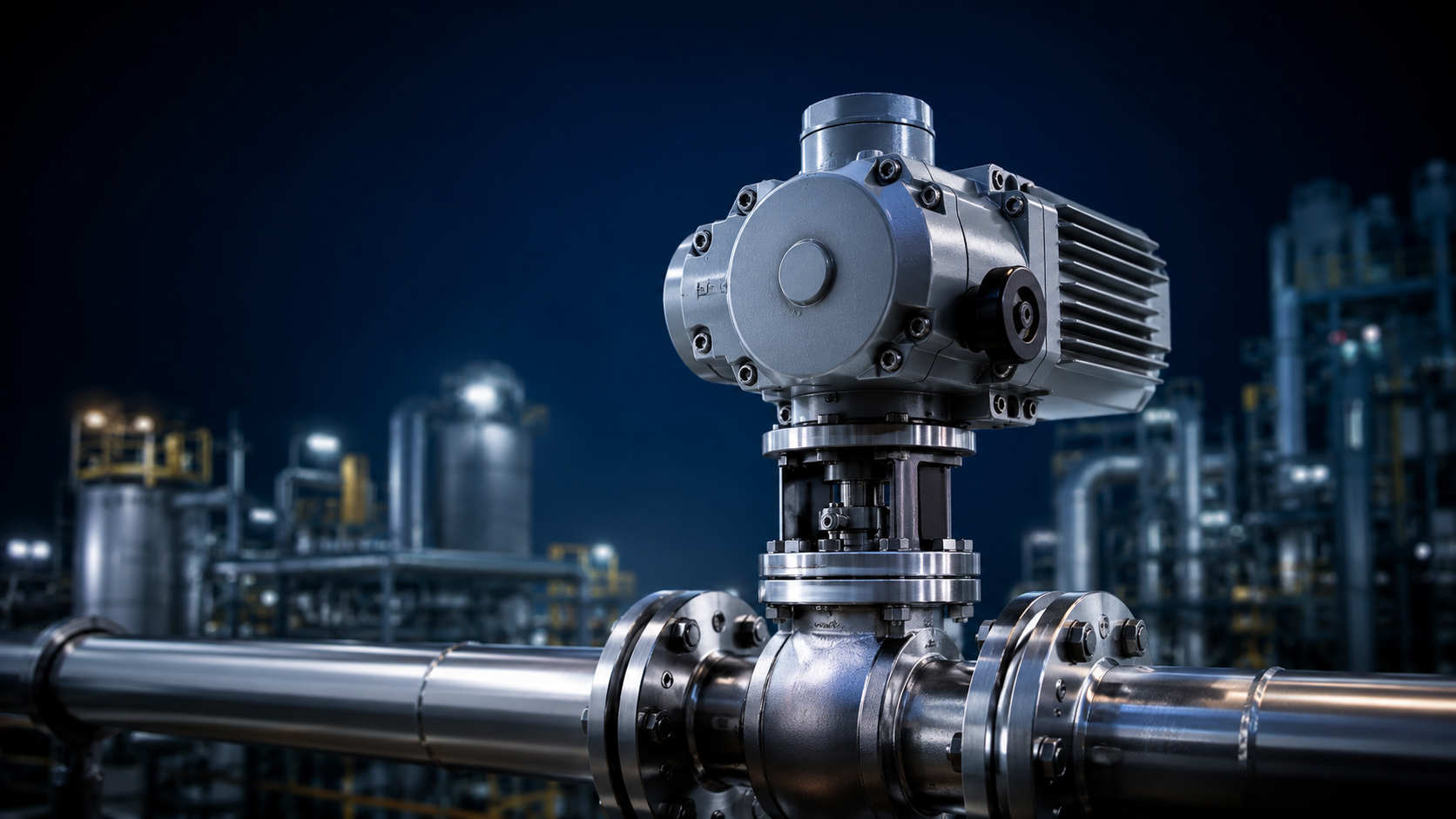
Rotork has built a strong reputation in valve actuation, flow control and intelligent automation solutions used throughout processing industries. By adding these capabilities, ABB significantly strengthens its position in industrial automation while expanding its presence across sectors that rely on complex production systems.
The acquisition also reflects a broader market trend where engineering companies seek complete automation portfolios rather than standalone products.
Rotork's Role in Chemical Manufacturing
Flow control technology plays an essential role in nearly every chemical production facility.
Rotork equipment supports operations involving:
Sulphuric Acid production where accurate valve control improves process stability and operational safety.
Petrochemical manufacturing that requires continuous monitoring of pressure, temperature and material flow.
Water treatment systems where automated valves regulate treatment chemicals with high precision.
Oil and gas processing that depends on reliable actuators operating under demanding conditions.
Pharmaceutical manufacturing where process consistency directly affects product quality.
These applications demonstrate why advanced automation remains critical for efficient industrial production.
How ABB Strengthens Its Industrial Portfolio
ABB already operates across electrification, robotics, motion systems and industrial automation. Rotork adds complementary technologies that enhance those capabilities while expanding ABB's customer reach.
Several strategic benefits emerge from the transaction:
A broader portfolio covering complete industrial automation solutions.
Increased opportunities to serve global chemical producers through integrated technologies.
Stronger engineering expertise supporting complex industrial projects.
Expanded aftermarket services including maintenance, upgrades and digital monitoring.
Greater access to customers operating large processing plants throughout Europe, Asia and the Middle East.
Rather than competing on individual products, ABB can now provide more comprehensive automation systems for industrial facilities.
What This Means for Chemical Procurement Teams
Automation equipment often represents a long term investment rather than a routine purchase. Procurement professionals therefore evaluate suppliers based on technical expertise, service capability and lifecycle support instead of price alone.
Following the acquisition, buyers should monitor several areas:
Product integration strategies that combine ABB automation platforms with Rotork technologies.
Service network expansion that may improve technical support across international markets.
Future product development focused on digital manufacturing and predictive maintenance.
Supply chain efficiencies that could shorten equipment delivery times for selected markets.
Large industrial acquisitions frequently create new sourcing opportunities while encouraging manufacturers to standardize automation systems across multiple production sites.
Industrial Automation Continues to Shape Chemical Manufacturing
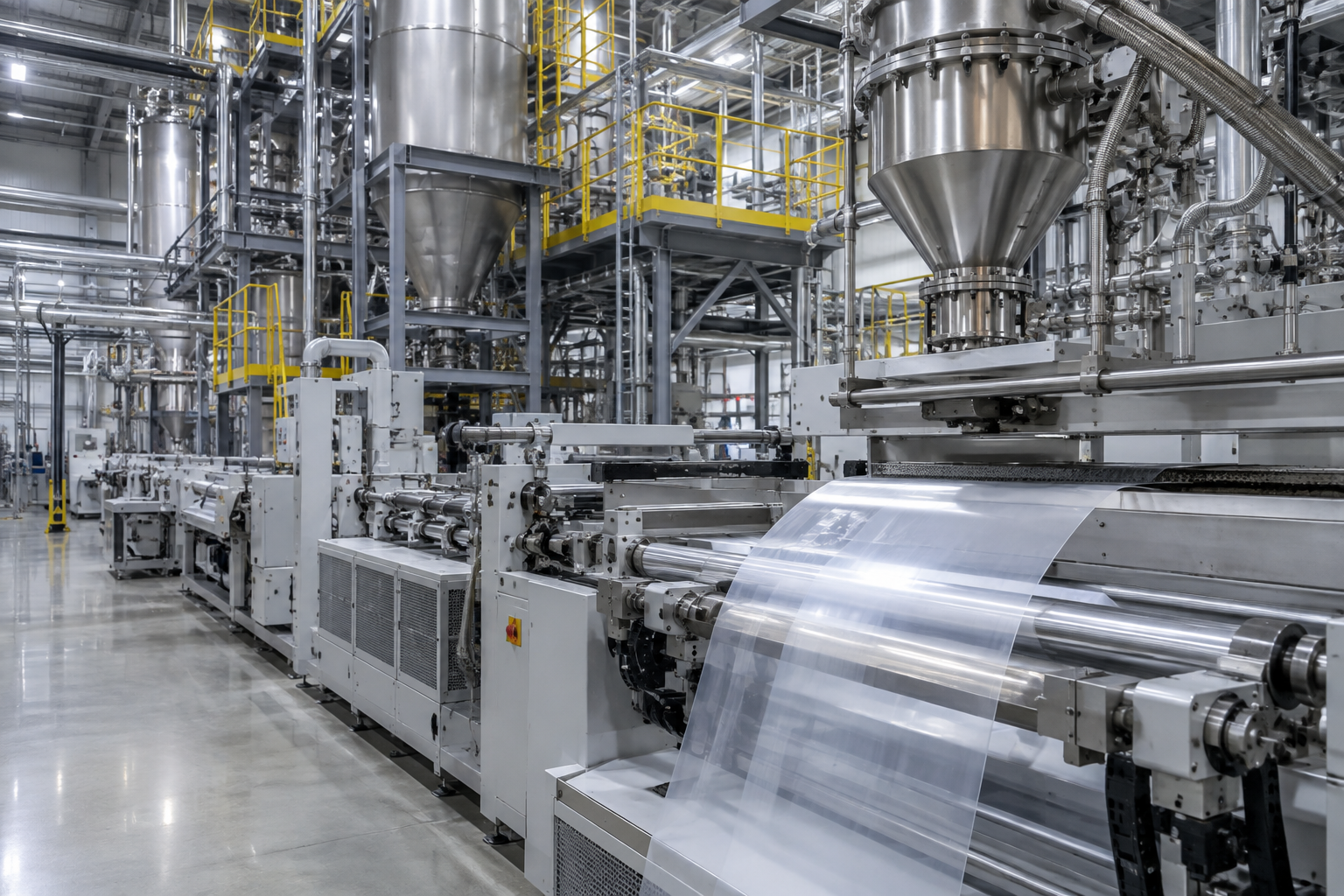
Chemical production facilities increasingly rely on automated systems to improve efficiency, product consistency and operational safety. Intelligent valve actuation has become an important component of digital manufacturing because it provides precise control over fluid movement throughout production processes.
The integration of ABB and Rotork technologies could accelerate investment in smart manufacturing solutions across the chemical industry.
Several trends continue driving automation demand:
Growing production capacity requires highly reliable control systems that can operate continuously with minimal interruption.
Rising labor costs encourage manufacturers to automate repetitive and safety critical operations.
Digital monitoring systems help maintenance teams identify equipment issues before unexpected failures occur.
Environmental compliance increasingly depends on accurate monitoring and controlled chemical processing.
These factors continue encouraging manufacturers to modernize both new and existing production facilities.
Supply Chain Opportunities for Equipment Buyers
Large acquisitions often strengthen supplier capabilities by combining engineering expertise, manufacturing resources and global service networks.
Chemical producers may benefit from:
Broader access to integrated automation products from a single supplier.
Improved technical support through expanded engineering teams.
Faster innovation as research and development resources become more closely aligned.
Greater consistency across multinational manufacturing operations using standardized equipment platforms.
Procurement managers should continue evaluating supplier performance while monitoring how the combined organization expands its product portfolio.
Digital Manufacturing Will Drive Future Investment
The chemical industry continues moving toward connected manufacturing environments where equipment communicates through integrated digital systems.
Modern automation technologies now support:
Real time production monitoring.
Predictive equipment maintenance.
Remote operational diagnostics.
Energy efficiency optimization.
Process quality improvement through continuous data collection.
These capabilities help manufacturers reduce operational costs while improving plant reliability and production consistency.
For buyers planning long term capital investments, compatibility with digital manufacturing platforms has become an increasingly important purchasing consideration.
Sustainability Supports Automation Growth
Sustainability objectives increasingly influence equipment investment across the chemical sector.
Advanced automation systems help manufacturers reduce waste, optimize energy consumption and improve process efficiency without compromising production quality. Accurate flow control also minimizes unnecessary chemical losses while supporting safer plant operations.
As environmental expectations continue evolving, automation providers that combine operational efficiency with sustainability solutions are likely to remain attractive partners for chemical manufacturers worldwide.
Global Chemical Trade and Engineering Investment
ABB's acquisition demonstrates continued confidence in industrial manufacturing despite changing economic conditions.
International engineering companies increasingly compete by offering complete industrial ecosystems instead of individual products. This approach creates additional value for customers seeking integrated solutions across production, monitoring and maintenance.
For chemical traders and industrial buyers, stronger engineering partnerships can contribute to:
More reliable manufacturing operations.
Improved equipment availability across international markets.
Better lifecycle support for critical production assets.
Increased innovation in process automation technologies.
These developments strengthen the long term outlook for industrial investment throughout the global chemical sector.
What Buyers Should Do Now
ABB's acquisition of Rotork represents a significant milestone for industrial automation and reinforces the growing importance of intelligent manufacturing technologies within the chemical industry. As manufacturers continue modernizing production facilities, integrated automation solutions will play a larger role in improving efficiency, reliability and operational performance.
Procurement teams should closely monitor product integration, supplier support capabilities and future technology developments as the combined organization expands its global presence. Businesses that evaluate long term equipment performance alongside procurement costs will be better positioned to maximize value from future automation investments.
Ready to source Industrial Automation Chemicals and Materials from verified global suppliers? Explore competitive offers on our platform today.

PVC Resin
Found this useful?