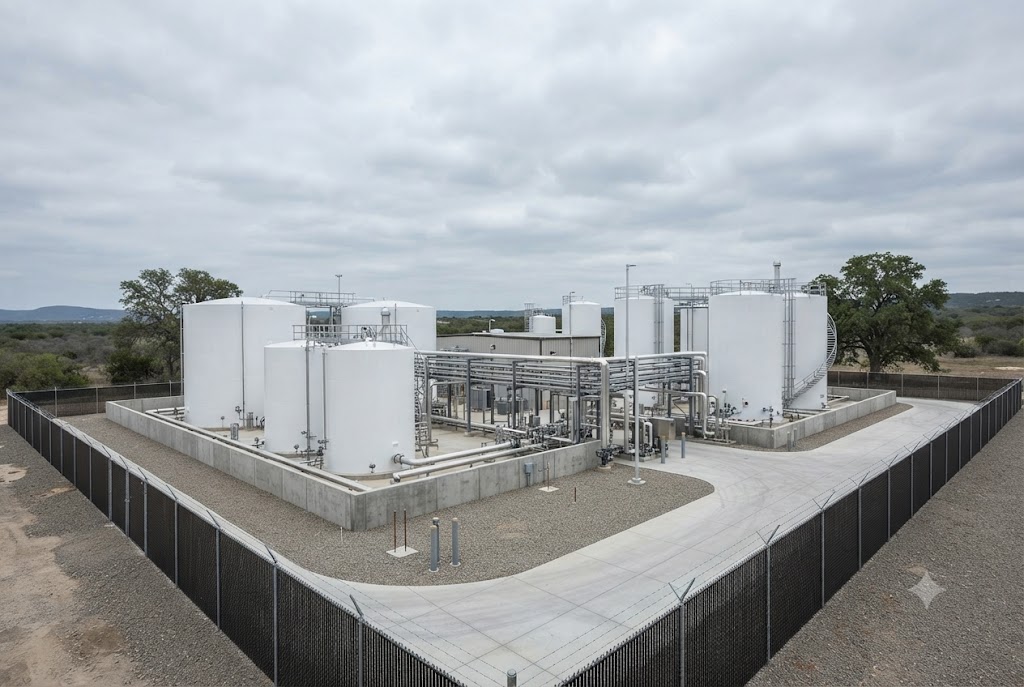
The global fluorine chemical market faces immediate pricing pressure as raw material costs surge unexpectedly. Tanfac Industries recently reported Q1 FY27 operating margin compression to 15.27 percent from 16.46 percent a year earlier. This decline stems directly from elevated sulphur and fuel costs tied to ongoing West Asia tensions.
Procurement managers and chemical traders must closely monitor this developing situation. Rising input costs for fluorine derivatives directly impact downstream manufacturing budgets. Buyers relying on these specialized chemicals need to anticipate tighter margins and potential price adjustments.
Understanding the mechanics of this cost spike allows sourcing teams to build resilient procurement models. Ignoring these geopolitical risks exposes organizations to severe budget overruns and supply chain disruptions. Strategic foresight is now the most valuable asset for industrial buyers navigating this complex landscape.
The Mechanics of Margin Compression in Fluorine Chemicals
Fluorine chemical production requires precise and energy-intensive manufacturing processes. Manufacturers rely on stable pricing for raw materials to maintain healthy operating margins. The recent spike in sulphur costs disrupts this delicate financial balance significantly.
Tanfac Industries experienced this compression firsthand during the first quarter of fiscal year 2027. The drop from 16.46 percent to 15.27 percent highlights the severity of the input cost inflation. Fuel costs also rose concurrently due to the exact same geopolitical tensions.
Producers face a difficult choice when input costs rise faster than product prices. They can either absorb the margin hit or attempt to pass these costs down to end users. Weak downstream demand often prevents full price recovery in the short term.
This dynamic forces manufacturers to optimize operational efficiency aggressively. Companies must reduce waste and improve yield to protect overall profitability. Buyers must recognize that these internal cost-cutting measures may eventually impact product availability.
Strategic Sourcing Amidst Raw Material Volatility
Procurement professionals must adopt highly disciplined sourcing strategies to mitigate these risks. Relying on short-term spot purchases exposes organizations to severe price volatility. Securing multi-year supply agreements provides essential stability in a constrained market.
Negotiating these contracts requires a deep understanding of current market dynamics. Buyers should leverage their forecasted volume commitments to secure favorable terms. Suppliers value predictable demand when justifying their own operational planning.
Diversifying the supplier base remains a critical risk management tactic. Sourcing from multiple geographic regions prevents total supply chain paralysis. Buyers should actively qualify alternative vendors before a crisis occurs.
Engaging regional distributor networks can also provide a vital buffer. Distributors often hold safety stock that independent manufacturers cannot access. However buyers must weigh this reliability against the additional margin layers.
Total landed cost calculations must include these intermediary fees to remain accurate. Procurement professionals should evaluate the true cost of supply chain resilience. Investing in backup vendors is cheaper than facing a production shutdown.
Navigating Supply Chain Risks for Fluorine Derivatives
The ripple effects of sulphur price spikes extend far beyond base chemicals. Fluorine derivative producers face immediate margin compression as monomer costs rise. Manufacturers of specialized polymers and refrigerants struggle to pass these increases to converters.
This squeeze often leads to force majeure declarations or allocation limits. Derivative markets experience similar pressures across the board. Producers of specialty additives rely heavily on stable upstream pricing.
Volatility disrupts their ability to honor fixed-price contracts with end users. Procurement teams in these downstream sectors must build larger safety stocks. Monomer price spikes directly inflate overall production costs.
Allocation limits become common during periods of extreme margin compression. Buyers may receive only a fraction of their requested volumes. Downstream manufacturers face delayed project timelines due to material shortages.
Cross-functional collaboration between procurement and engineering accelerates material validation. Shared goals ensure that new materials meet both performance and availability requirements. Starting this process early prevents panic-driven material changes during a crisis.
Financial Hedging and Cost Management Strategies
Sophisticated procurement teams utilize financial instruments to manage commodity price risk. Futures contracts and options allow buyers to lock in feedstock costs in advance. These tools require specialized knowledge but offer powerful protection against market shocks.
Collaborating with treasury departments is essential for executing these strategies. Financial hedging must align with physical procurement plans to avoid speculative exposure. Clear governance policies ensure that risk management activities support overall business objectives.
Suppliers also offer indexed pricing formulas tied to recognized chemical benchmarks. Understanding these formulas helps buyers anticipate cost fluctuations. Regular review of index components ensures that pricing remains fair and transparent.
Proactive financial modeling prevents sudden budget shortfalls during transition periods. Companies must view these compliance costs as essential investments in brand protection. This financial discipline separates market leaders from vulnerable competitors.
Sustainability and Green Chemistry Angle
Despite severe cost pressures, sustainability remains a corporate priority. Companies continue to invest in green chemistry and circular economy initiatives. These efforts align with customer demands for environmentally friendly products.
Buyers should not assume that restructuring compromises sustainability goals. The industry views these investments as essential for future competitiveness. Sourcing sustainable materials supports corporate ESG targets and mitigates regulatory risks.
Procurement teams should continue to prioritize suppliers with strong environmental records. Certifications and sustainability reports provide valuable insights into vendor performance. Partnering with innovative companies drives long-term value and compliance.
Digitalization also supports sustainability efforts significantly. Advanced process control systems reduce energy consumption and minimize chemical waste. Buyers can leverage these efficiency gains to lower the carbon footprint of their supply chain.
Long-Term Implications for the Fluorine Market
The current crisis will permanently alter global chemical trade flows. Buyers should expect a lasting shift toward nearshoring and diversified supply chains. Companies will prioritize supply security over marginal cost savings moving forward.
The fluorine chemical market will likely see sustained price elevation. Producers will pass the costs of resilient logistics onto end users. Procurement managers must adjust their long-term budget forecasts accordingly.
Investment in alternative feedstock routes may accelerate significantly. Companies will seek to decouple from volatile regional supply chains entirely. This transition offers a secondary benefit of reduced geopolitical vulnerability. Early adopters of diversified supply networks will gain a distinct competitive advantage.
What Buyers Should Do Now
Procurement leaders must act decisively to fortify their supply chains against potential cost shocks. Conduct a comprehensive audit of your current chemical spend and feedstock exposure. Identify critical materials where price volatility poses the greatest threat to profitability.
Initiate immediate discussions with key suppliers regarding their contingency plans. Request transparency on their feedstock sourcing and inventory levels. Secure flexible long-term agreements that balance cost protection with supply reliability.
Invest in advanced market intelligence tools to monitor crude oil and sulphur trends. Early warning signals allow procurement teams to adjust purchasing tactics proactively. Building organizational resilience is the only reliable defense against macroeconomic volatility.
Ready to source Sulphur from verified global suppliers? Explore competitive offers on our platform today.