Tanfac's Fluorine Chemistry Portfolio Touches Agrochemical Intermediate Applications
Tanfac's Fluorine Chemistry Portfolio Touches Agrochemical Intermediate Applications
Introduction
Fluorine chemistry continues to play a critical role in the development of modern agrochemicals, enabling manufacturers to improve the performance, stability, and effectiveness of crop protection products. Companies with expertise in fluorine-based chemicals, such as Tanfac, contribute to the broader chemical value chain by supplying fluorine derivatives that can be used in pharmaceutical, specialty chemical, and agrochemical intermediate applications.
As demand for high-performance agrochemicals grows, fluorinated intermediates are becoming increasingly important in the synthesis of herbicides, fungicides, insecticides, and other specialty agricultural chemicals. Although fluorine compounds represent only one part of the manufacturing process, they remain essential building blocks for many advanced chemical formulations.
Why Fluorine Chemistry Matters in Agrochemicals
Fluorine is widely used in chemical synthesis because it can significantly influence the physical and chemical properties of molecules.
In agrochemical applications, fluorinated compounds may help improve:
Chemical stability
Biological activity
Thermal resistance
Product selectivity
Environmental persistence where appropriate
Overall formulation performance
These characteristics make fluorine-containing intermediates valuable in the development of modern crop protection products.
Understanding Agrochemical Intermediates
Agrochemical intermediates are chemical compounds used during the production of active ingredients and formulated agricultural products. They are not typically sold as finished products but serve as essential building blocks in chemical synthesis.
Common applications include:
Herbicide manufacturing
Fungicide production
Insecticide synthesis
Plant growth regulator development
Specialty agricultural chemicals
High-quality intermediates contribute to consistent manufacturing processes and product performance.
How Fluorine-Based Chemicals Support Manufacturing
Fluorine chemistry supports multiple stages of agrochemical production.
Advanced Chemical Synthesis
Fluorinated intermediates enable manufacturers to produce complex molecules with enhanced performance characteristics.
Process Efficiency
Specialized fluorine compounds can improve reaction efficiency and product consistency during chemical manufacturing.
Product Innovation
Access to advanced fluorine chemistry allows researchers to develop next-generation agrochemical solutions with improved effectiveness.
High-Purity Raw Materials
Consistent quality and purity of fluorinated intermediates are essential for reliable downstream manufacturing.
Market Trends Driving Demand
Several long-term industry trends are supporting continued interest in fluorine chemistry.
These include:
Growing demand for high-performance crop protection products
Expansion of specialty chemical manufacturing
Increased agricultural productivity requirements
Continued investment in research and development
Rising emphasis on sustainable and efficient formulations
As innovation accelerates, fluorinated intermediates are expected to remain an important part of agrochemical research and production.
Procurement Considerations
For procurement professionals sourcing fluorine-based intermediates, supplier evaluation extends beyond pricing.
Important considerations include:
Product Quality
Consistent chemical purity supports stable manufacturing performance and regulatory compliance.
Supply Reliability
Long-term supplier relationships help reduce procurement risks and improve production continuity.
Regulatory Compliance
Manufacturers should verify that suppliers meet applicable environmental, safety, and quality standards.
Supply Chain Resilience
Diversified sourcing strategies help reduce exposure to geopolitical, logistics, and raw material disruptions.
Technical Support
Suppliers with strong technical capabilities can assist manufacturers in optimizing production processes and product development.
The Future of Fluorine Chemistry in Agrochemicals
The agrochemical industry continues to invest in advanced chemical technologies that improve crop protection while meeting evolving regulatory and sustainability expectations. Fluorine chemistry is expected to remain an important area of innovation due to its versatility and ability to enhance molecular performance.
As research progresses, manufacturers will likely continue exploring new fluorinated intermediates that offer improved efficiency, greater selectivity, and enhanced product performance while balancing environmental and regulatory considerations.
Conclusion
Fluorine chemistry plays a valuable role in modern agrochemical manufacturing by supporting the development of advanced intermediates used in crop protection products. Companies with expertise in fluorine-based chemical production contribute to a broader supply chain that enables innovation across agricultural and specialty chemical markets.
For agrochemical manufacturers and procurement teams, maintaining access to high-quality fluorinated intermediates, evaluating reliable suppliers, and strengthening supply chain resilience will remain essential for supporting future product innovation and long-term competitiveness.
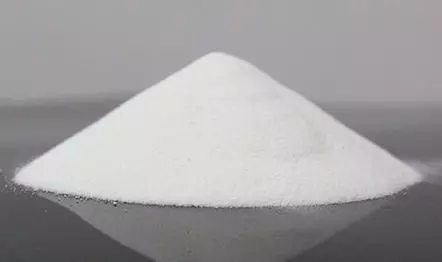
Aluminium Sulfate
Found this useful?