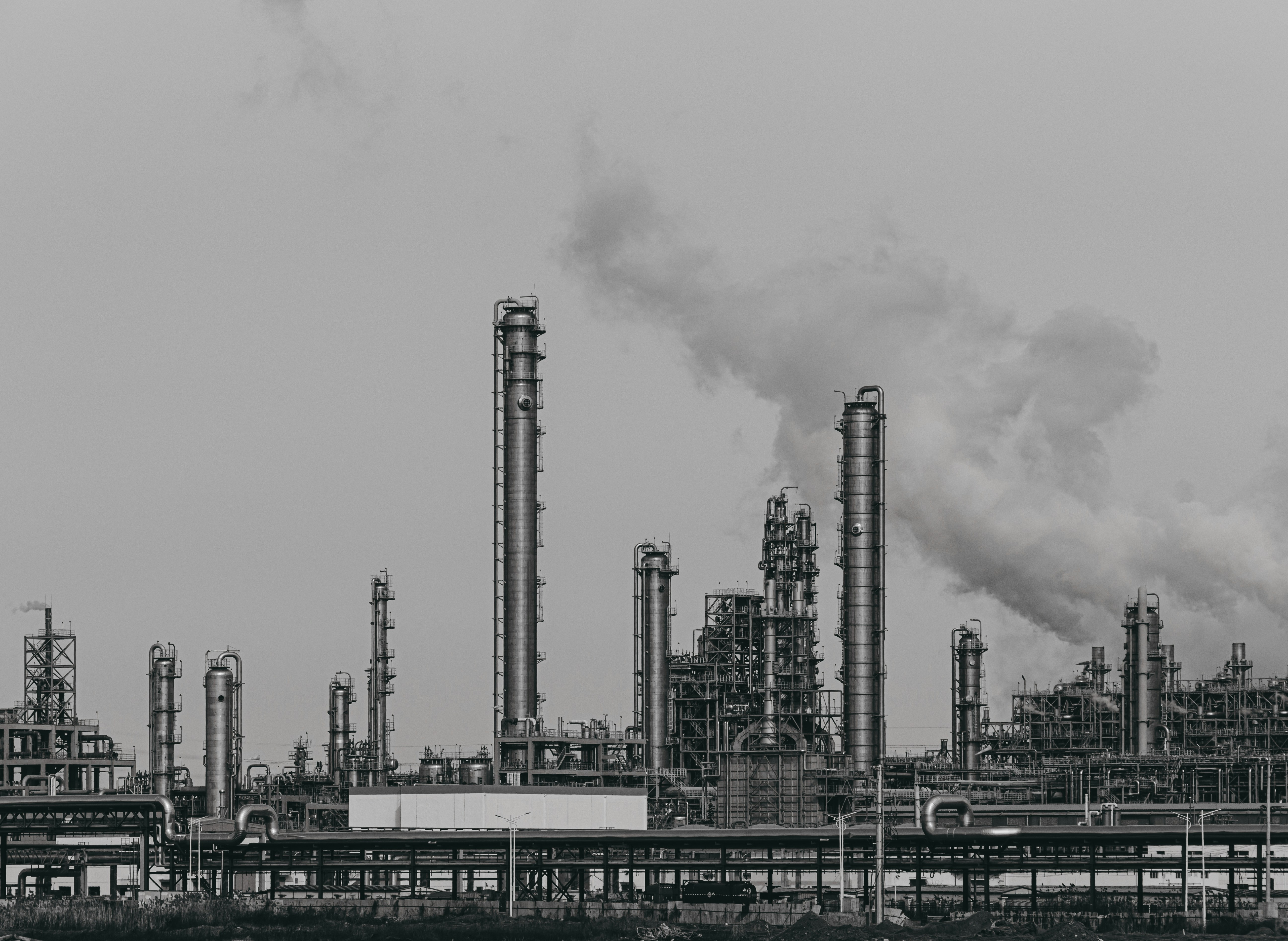
South Korea, Japan and Taiwan Bore the Brunt of Petrochemical War Disruption

South Korea, Japan, and Taiwan Bore the Brunt of Petrochemical War Disruption
Introduction
South Korea, Japan, and Taiwan are among the world's leading petrochemical manufacturing economies, supplying essential raw materials for industries ranging from automotive and electronics to packaging, textiles, and construction. During periods of geopolitical conflict and trade disruption, these export-driven economies have faced significant challenges due to their dependence on stable energy supplies, international shipping routes, and global demand.
Disruptions to major maritime corridors, fluctuating crude oil prices, and supply chain uncertainty have increased production costs and complicated procurement decisions for manufacturers across the region. As global markets gradually stabilize, businesses are reassessing sourcing strategies to strengthen resilience against future geopolitical shocks.
Why East Asia Was Hit Hard
The petrochemical industries of South Korea, Japan, and Taiwan rely heavily on imported crude oil and petrochemical feedstocks, making them particularly vulnerable to global disruptions.
Several factors contributed to the impact:
Higher crude oil and natural gas prices.
Increased freight and marine insurance costs.
Shipping delays caused by disrupted trade routes.
Reduced export demand from key global markets.
Rising operational and manufacturing expenses.
Supply chain uncertainty affecting production planning.
These challenges placed considerable pressure on both producers and downstream manufacturers.
Impact on the Global Petrochemical Supply Chain
The region plays a critical role in supplying petrochemical products used worldwide. Any disruption in production or exports can have widespread consequences.
Key impacts include:
Higher prices for petrochemical feedstocks.
Longer lead times for international buyers.
Greater volatility in resin and polymer markets.
Increased procurement costs for manufacturers.
Growing interest in alternative sourcing regions.
Companies relying heavily on East Asian suppliers have been encouraged to diversify their procurement strategies.
Industries Most Affected
Several industries depend on petrochemical products manufactured in South Korea, Japan, and Taiwan.
Electronics
Semiconductor manufacturing requires high-purity chemicals, specialty gases, and advanced materials produced extensively across the region.
Automotive
Vehicle manufacturers rely on engineering plastics, synthetic rubber, coatings, adhesives, and specialty polymers.
Packaging
Plastic resins, polyethylene, polypropylene, and flexible packaging materials are directly influenced by petrochemical market conditions.
Textiles
Synthetic fibers such as polyester and nylon depend on petrochemical feedstocks that experienced pricing volatility during the disruption.
Construction
Construction materials, insulation products, sealants, and industrial coatings also rely on petrochemical derivatives.
How Procurement Teams Can Respond
To reduce exposure to future disruptions, procurement professionals should adopt more resilient sourcing strategies.
Diversify Supplier Networks
Expand sourcing beyond a single region by qualifying suppliers in India, the Middle East, Southeast Asia, Europe, and the Americas.
Monitor Energy and Freight Markets
Track changes in oil prices, shipping costs, and transportation capacity to anticipate procurement risks.
Evaluate Total Landed Cost
Include freight, insurance, tariffs, inventory costs, and logistics when comparing supplier quotations.
Strengthen Risk Management
Develop contingency plans for supply interruptions and maintain alternative supplier relationships for critical materials.
Increase Supply Chain Visibility
Use digital procurement platforms and real-time market intelligence to monitor supplier performance and geopolitical developments.
Emerging Opportunities
While the disruptions created short-term challenges, they have also accelerated structural changes within the petrochemical industry.
Businesses are increasingly:
Investing in regional manufacturing capacity.
Building multi-country sourcing strategies.
Expanding supplier qualification programs.
Increasing inventory visibility through digital tools.
Improving long-term supply chain resilience.
These changes are helping companies become better prepared for future market disruptions.
Long-Term Outlook
As geopolitical tensions gradually ease and trade routes stabilize, South Korea, Japan, and Taiwan are expected to remain major petrochemical producers due to their advanced manufacturing capabilities and technological expertise. However, companies are unlikely to return to highly concentrated sourcing models.
Instead, global procurement strategies will continue emphasizing diversification, supply chain flexibility, and proactive risk management. Emerging manufacturing hubs in India, the Middle East, and Southeast Asia are also expected to play a larger role in meeting future petrochemical demand.
Conclusion
South Korea, Japan, and Taiwan experienced significant challenges during the period of petrochemical trade disruption, highlighting the vulnerability of globally integrated supply chains to geopolitical events. Rising energy costs, freight volatility, and shipping disruptions placed considerable pressure on manufacturers and buyers alike.
For procurement leaders, the experience reinforces the importance of supplier diversification, comprehensive risk assessment, and real-time market intelligence. Companies that strengthen supply chain resilience today will be better positioned to manage future disruptions while maintaining stable operations and competitive costs.

Polyethylene Terephthalate (PET)
Found this useful?