Wesseling's Butadiene Force Majeure Ripples Into Downstream Petrochemical Contracts
The European petrochemical supply chain is bracing for extended disruptions as the fallout from recent operational halts intensifies. LyondellBasell’s force majeure declaration on its 170,000 metric ton per year butadiene extraction unit in Wesseling, Germany, is now expected to severely affect customer allocations well into August. Procurement managers and chemical traders must immediately activate contingency protocols. Butadiene is a critical monomer for synthetic rubber, engineering plastics, and specialized adhesives. A prolonged supply interruption from a facility of this scale creates immediate bottlenecks for downstream manufacturers. Buyers relying on these essential intermediates need to anticipate strict rationing and potential contract renegotiations. Understanding the cascading effects of this force majeure allows sourcing teams to mitigate operational risks. Ignoring these supply chain fractures exposes organizations to severe production delays and margin compression. Strategic agility is now essential for navigating this complex market environment.
The Mechanics of the Wesseling Butadiene Disruption
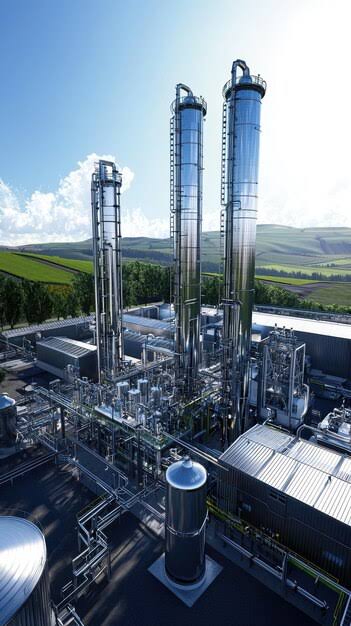
The Wesseling facility is a cornerstone of European butadiene production, extracting the monomer as a co-product of steam cracking. The force majeure was triggered by a combination of record-low Rhine water levels and elevated river temperatures. These hydrological constraints restrict barge deliveries of naphtha feedstock and impair the massive cooling systems required for safe cracker operation.
When a facility declares force majeure, it legally suspends its obligation to fulfill existing supply contracts due to unforeseeable, extraordinary events. For LyondellBasell, this means halting or drastically reducing deliveries to downstream customers. The company has indicated that updates on the resumption of normal operations will be provided as the environmental situation evolves, leaving buyers in a state of prolonged uncertainty.
Cascading Effects on Downstream Contracts
The ripple effects of this butadiene shortage are already being felt across multiple downstream sectors. Butadiene is the primary feedstock for styrene-butadiene rubber (SBR), polybutadiene rubber (PBR), and acrylonitrile butadiene styrene (ABS) resins.
Tire manufacturers and automotive suppliers are particularly vulnerable, as they operate on tight just-in-time inventory models. The expected allocation cuts into August mean that downstream producers must immediately ration their own output or seek emergency spot market purchases.
Strict Allocation Protocols: Remaining butadiene producers in Europe will likely prioritize long-term, strategic contract holders, leaving spot market buyers with little to no availability.
Contract Renegotiation Pressures: Buyers may face force majeure counter-claims from their own customers if they cannot deliver finished goods, creating a domino effect of contractual disputes.
Spot Price Inflation: The sudden scarcity of butadiene will inevitably drive up spot prices for alternative suppliers, squeezing margins for downstream converters who cannot immediately pass on these costs.
Strategic Sourcing and Contract Renegotiation
Procurement professionals must adopt highly disciplined strategies to navigate this force majeure event. The first step is a thorough legal and operational review of all active supply contracts. Buyers must understand the specific terms of the force majeure clause, including notification requirements and the supplier's obligation to provide alternative sourcing options.
Diversifying the supplier base is no longer optional; it is a critical survival tactic. Buyers should actively qualify alternative butadiene suppliers in the Middle East, Asia, or North America. While importing butadiene introduces logistical complexities and higher freight costs, it provides a vital lifeline when regional production is compromised.
Engaging with toll manufacturers or exploring backward integration opportunities can also provide a buffer. Some larger downstream consumers may find it economically viable to secure their own butadiene extraction capabilities or form joint ventures to guarantee supply stability.
Regulatory and Compliance Considerations During Disruptions
Sourcing butadiene from new, non-traditional regions introduces complex regulatory hurdles. Each alternative material must comply with local and international chemical regulations. In Europe, REACH registration status remains a crucial factor for market access and customs clearance.
Ensure that new suppliers provide comprehensive documentation promptly upon request. Safety data sheets, certificates of analysis, and transport classifications for hazardous materials are mandatory. Verify that these documents meet your internal compliance standards strictly to avoid port delays or regulatory fines.
Update your internal databases with new supplier information immediately. Train procurement and quality assurance staff on these regional changes. Clear communication prevents costly errors in ordering, handling, and inventory management of this highly reactive chemical.
Long-Term Implications for European Petrochemical Reliability
The Wesseling force majeure highlights a growing vulnerability in Europe’s river-dependent chemical infrastructure. As climate change increases the frequency of extreme weather events, relying on a single logistical artery for critical feedstocks is a massive operational risk.
Buyers should expect a lasting shift toward nearshoring and diversified supply chains. Companies will prioritize supply security over marginal cost savings moving forward. The European petrochemical market will likely see sustained price elevation as producers invest in auxiliary cooling systems, alternative transport logistics, and more resilient facility designs.
Early adopters of diversified supply networks and those who invest in advanced market intelligence tools to monitor hydrological trends will gain a distinct competitive advantage.
What Buyers Should Do Now
Procurement leaders must act decisively to fortify their supply chains against this specific disruption. Conduct a comprehensive audit of your current butadiene and downstream derivative dependencies. Identify exactly how much of your volume is tied to the Wesseling facility or similar vulnerable European assets.
Initiate immediate discussions with alternative global suppliers to establish emergency backup channels. Request technical data sheets and samples for equivalent grades to begin the validation process. Secure flexible short-term contracts that can bridge the gap until the Wesseling unit resumes normal operations.
Invest in advanced market intelligence tools to monitor hydrological trends and supplier operational statuses. Early warning signals allow procurement teams to adjust purchasing tactics proactively. Do not wait for the next force majeure declaration to implement these protective measures.
Ready to source Acrylonitrile Butadiene Styrene from verified global suppliers? Explore competitive offers on our platform today.

Acrylonitrile Butadiene Styrene (ABS)
Found this useful?