Tanfac Industries has confirmed that its 20,000 MTPA HFC-32 refrigerant gas project remains on schedule for commissioning by the end of Q3 FY27. The project is being funded through a recently completed 250 crore rupee Qualified Institutional Placement, marking the fluorochemical manufacturer's first equity capital raise in more than three decades. For buyers tracking India's refrigerant gas supply, the timeline confirmation matters as much as the capacity figure itself.
What the HFC-32 Project Involves
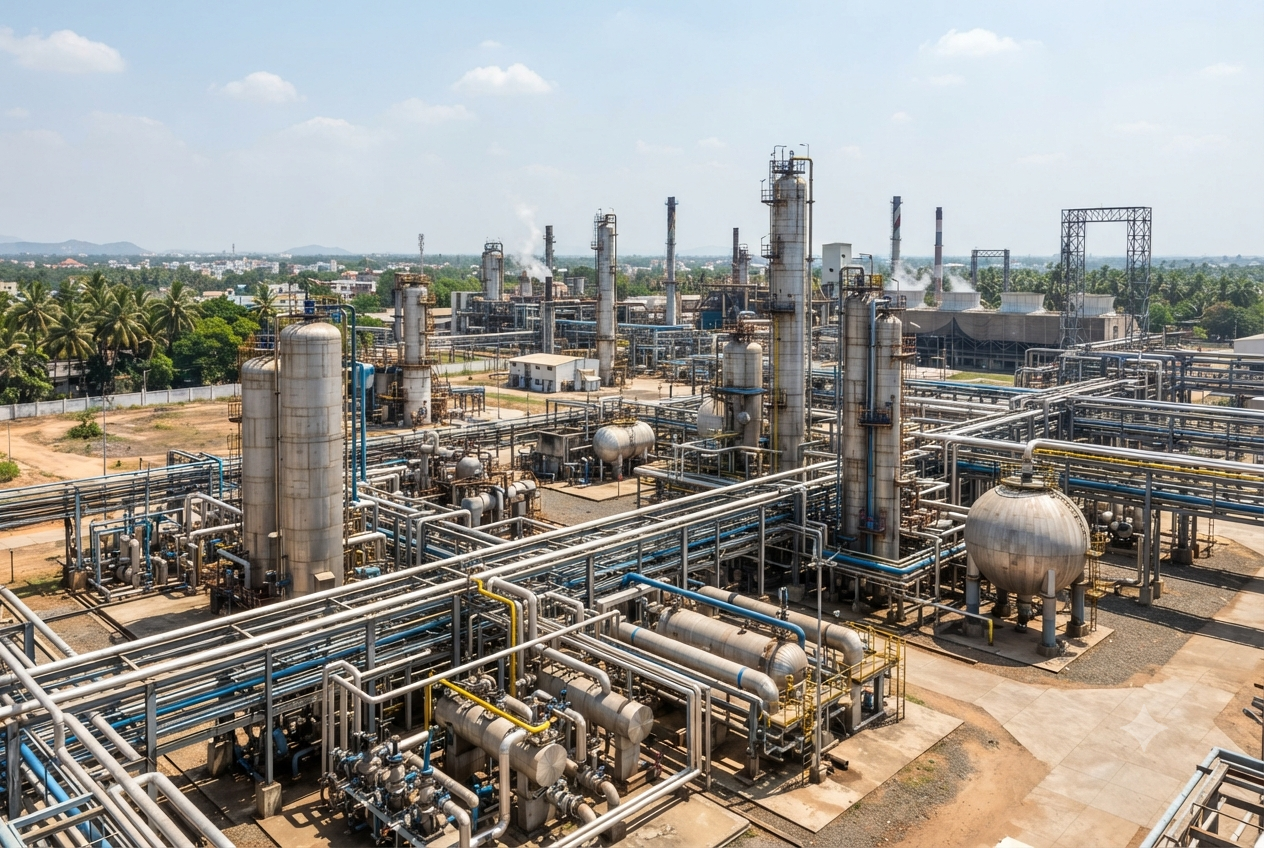
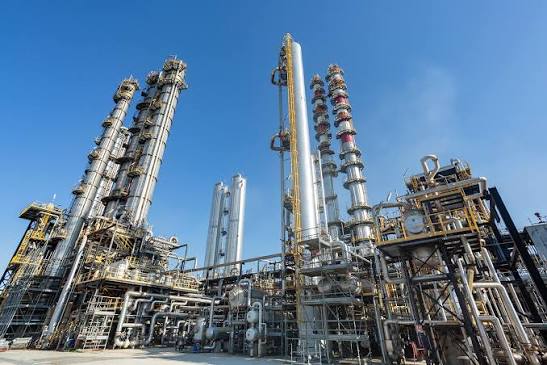
The new plant is coming up at Tanfac's Cuddalore site in Tamil Nadu, alongside the company's existing hydrofluoric acid and sulphuric acid operations. Total investment in the project stands at approximately 390 crore rupees, with the QIP proceeds forming the core of that funding.
Tanfac has been producing hydrofluoric acid and related fluorine-based specialty chemicals since 1972. The HFC-32 project extends that fluorine chemistry expertise into refrigerant gas manufacturing, a segment where the company has not previously had a direct presence.
HFC-32, also known as difluoromethane, has become one of the preferred refrigerants for room air conditioning systems because of its lower global warming potential compared with older refrigerant blends. That positioning is central to why Tanfac is entering this segment now, as India's room AC market continues to expand.
Funding Structure Behind the Project
The 250 crore rupee QIP was priced at a modest discount to the floor price and represents a significant step in Tanfac's capital strategy. Alongside the QIP, the company has proposed a preferential issue of roughly 100 crore rupees led by its promoter, Anupam Rasayan India Limited.
Together, these moves have shifted Tanfac's balance sheet position. The company has stated that the combined capital raise has made it net debt-free, giving it more flexibility to fund the HFC-32 project and related fluorochemical expansion without leaning heavily on term debt.
The funding plan also extends beyond the refrigerant project itself. Proceeds are earmarked for:
Expanding downstream fluorinated chemical product capacities beyond HFC-32 alone.
Strengthening backward integration through additional hydrofluoric acid and sulphuric acid production.
Supporting general corporate requirements tied to the company's broader growth strategy.
Offtake Visibility Ahead of Commissioning
One detail that stands out in the HFC-32 project is how much of the future capacity is already committed. Long-term agreements and memorandums of understanding currently cover around 65 percent of the planned 20,000 MTPA capacity, translating to roughly 13,500 tonnes per annum already tied up. Management has indicated it is targeting 80 to 85 percent of capacity sold before the plant reaches commercial operation.
The aggregate order value tied to these HFC-32 agreements has been reported at approximately 3,673 crore rupees. Combined with separate long-term supply arrangements for Solar Grade Dilute Hydrofluoric Acid worth over 1,000 crore rupees running through FY29, Tanfac's order book gives the company unusually strong revenue visibility for a project still under construction.
For buyers, this level of pre-commitment is worth watching closely. High offtake coverage ahead of commissioning generally signals that a producer expects limited spot availability once the plant ramps up, which can shape how early conversations with new suppliers need to start.
Financial Backdrop and Near-Term Pressures
Tanfac's most recent quarterly results give some context for the environment the HFC-32 project is being built in. Operational revenue for the first quarter of FY27 rose 6.3 percent year on year, supported by stronger capacity utilization and a growing contribution from the Solar Grade DHF segment.
Profitability has come under some pressure during the same period. Net profit declined compared with the prior year quarter, a shift the company has attributed to higher raw material costs, particularly sulphur, along with elevated fuel costs linked to geopolitical tensions in West Asia. This margin pressure has not, according to the company, affected the HFC-32 project's funding or timeline.
Full-year FY26 results showed revenue growth of 27 percent year on year, reflecting the broader momentum behind Tanfac's fluorochemical expansion even as near-term quarterly margins fluctuate with input costs.
What This Means for Refrigerant and Fluorochemical Buyers
The confirmation that commissioning remains on track for Q3 FY27, with some indications pointing toward late October or early November, gives buyers a concrete window to plan around. A few practical takeaways stand out for procurement teams sourcing refrigerant gases or related fluorochemicals from the Indian market:
Capacity is likely to sell out quickly given the current offtake coverage, so early supplier engagement is worth prioritising over waiting for commercial production to begin.
Backward integration reduces some supply risk since Tanfac's expanding hydrofluoric acid and sulphuric acid capacity supports its own refrigerant production rather than relying on external feedstock.
Input cost volatility remains a factor for pricing discussions, given the company's own disclosure of sulphur and fuel cost pressure in recent quarters.
The Bottom Line for Buyers
Tanfac's HFC-32 project is a useful case study in how Indian fluorochemical producers are moving up the value chain, from base hydrofluoric acid production into higher-margin refrigerant gases. The combination of a completed equity raise, a net debt-free balance sheet and strong pre-commissioning offtake suggests the project has more financial and commercial backing than many capacity announcements in this space typically carry.
For buyers, the practical step now is to start supplier conversations ahead of the Q3 FY27 commissioning window rather than after it, particularly if long-term refrigerant gas contracts are part of the sourcing strategy for India-linked supply chains.
Ready to source HFC-32 refrigerant gas from verified global suppliers? Explore competitive offers on our platform today.