Technip Energies to Deliver Licensing and FEED for Petkim's Aliağa Petrochemical Complex
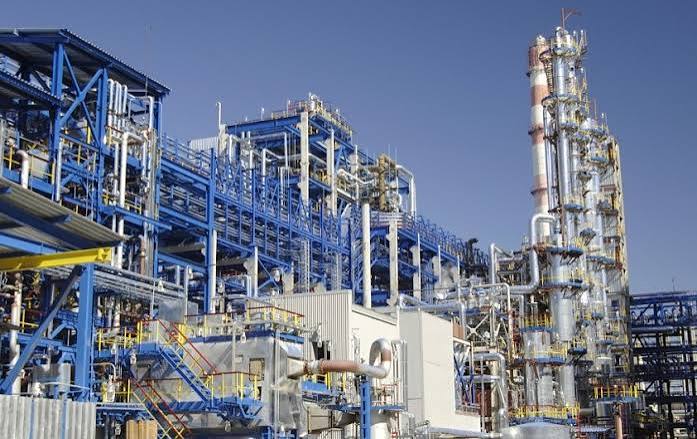
Technip Energies has secured licensing and engineering contracts from Petkim for a proposed integrated petrochemical complex in Aliağa, Türkiye. The award covers mixed-feed steam cracker technology, an integrated Process Design Package and Front-End Engineering Design services for the overall complex.
The planned development would significantly expand Petkim's production capabilities across ethylene, propylene and major polyolefins. The FEED scope includes approximately 1.2 million tonnes per year of ethylene capacity, 550,000 tonnes per year of propylene, an 850,000 tonne per year HDPE and LLDPE complex and a 550,000 tonne per year polypropylene plant.
For petrochemical traders and polymer buyers, the project is important because it could eventually add substantial new domestic production capacity to Türkiye's petrochemical market.
A Large Integrated Petrochemical Development
The proposed Aliağa complex is being developed as part of Petkim's long-term Master Plan. The project is designed around an integrated production chain where the new mixed-feed steam cracker provides key building blocks for downstream polymer units.
Technip Energies will license the mixed-feed steam cracker technology and provide the Process Design Package and FEED services. The company's scope therefore covers both technology licensing and the engineering work required to establish the technical foundation for the proposed complex.
The integrated configuration is intended to connect upstream olefin production directly with downstream polyethylene and polypropylene manufacturing.
This type of integration can improve feedstock coordination and create a more connected petrochemical production system.
1.2 Million Tonnes of Ethylene Capacity
The planned steam cracker represents one of the central components of the project.
Petkim's proposed cracker is designed for approximately 1.2 million tonnes per year of ethylene production. The unit would also produce approximately 550,000 tonnes per year of propylene.
Ethylene is one of the most important petrochemical building blocks globally. It is used to produce polyethylene and a wide range of derivatives serving packaging, consumer products, automotive applications and industrial markets.
Increasing ethylene capacity would therefore provide additional feedstock for downstream polymer production while potentially reducing reliance on imported petrochemical intermediates.
HDPE and LLDPE Production
The downstream polyethylene complex is planned with a combined capacity of approximately 850,000 tonnes per year.
The facility will consist of two trains, each designed for approximately 425,000 tonnes per year. The scope covers both high-density polyethylene and linear low-density polyethylene production.
HDPE and LLDPE serve large and diverse markets.
HDPE is widely used in rigid packaging, containers, pipes, industrial products and household applications. LLDPE is commonly used in flexible packaging, films, agricultural films and other applications requiring flexibility and strength.
For polymer buyers, additional domestic production could create another potential supply source for these materials if the project eventually reaches commercial operation.
550,000 Tonnes of Polypropylene
The proposed complex also includes a 550,000 tonne per year polypropylene plant.
Polypropylene is used across packaging, automotive components, consumer goods, fibers, appliances and industrial applications. Its combination of chemical resistance, low density and processing flexibility makes it one of the world's major commodity polymers.
Petkim currently produces polypropylene at its Aliağa facilities. The Master Plan aims to increase annual polypropylene capacity from approximately 145,000 tonnes to 550,000 tonnes if the planned investments proceed following the FEED stage and a final investment decision.
This would represent a substantial expansion of polypropylene production capability in Türkiye.
FEED Comes Before Final Investment Decision
The latest contract award does not mean that the entire complex has reached construction approval.
Technip Energies' scope covers licensing, Process Design Package and FEED activities. These phases are intended to establish the technical, commercial and engineering parameters needed before Petkim makes any Final Investment Decision.
Petkim says its FEED studies have officially started and that approximately $70 million has been allocated to the FEED process. The company plans to complete the studies by the end of 2027, with the results expected to provide the basis for a potential FID.
For traders and procurement teams, this distinction is important. The announced production capacities represent planned project capacity rather than immediately available commercial supply.
Strengthening Türkiye's Petrochemical Base
Petkim is an integrated petrochemical producer based in Aliağa and supplies a broad portfolio of products to domestic and international markets.
Its existing production portfolio includes LDPE, HDPE, polypropylene and PVC as well as other petrochemical products such as acrylonitrile, monoethylene glycol, aromatics and olefins. The company exports to nearly 50 countries.
The Master Plan is intended to expand this production base and strengthen the integration between Türkiye's refinery and petrochemical infrastructure.
The proposed complex could also increase the availability of key petrochemical feedstocks within the country.
What the Project Means for Polymer Buyers
Additional domestic production capacity could change sourcing strategies for Turkish polymer buyers over time.
Import-dependent buyers could potentially gain access to more locally produced ethylene derivatives and polyolefins if the new facilities reach commercial operation.
However, procurement teams will still need to evaluate product grades, specifications, pricing, delivery reliability and export availability before changing established supply relationships.
The eventual market impact will depend on the project's final configuration, investment decision, construction schedule and operating performance.
Opportunities for Petrochemical Traders
Large integrated petrochemical developments create opportunities across multiple parts of the supply chain.
Ethylene: Higher domestic production could support downstream polyethylene and chemical derivative markets.
Propylene: Additional propylene capacity could strengthen feedstock availability for polypropylene and other derivatives.
HDPE: New production capacity could create additional domestic supply for packaging, pipe and industrial applications.
LLDPE: Additional output could support flexible packaging, film and agricultural applications.
Polypropylene: Expanded capacity could supply packaging, automotive and consumer product manufacturers.
Industrial chemicals: Construction and operation of a large petrochemical complex can generate demand for process chemicals, water-treatment products, catalysts and maintenance materials.
For chemical traders, the development creates a project pipeline worth monitoring well before commercial production begins.
Integrated Production Could Improve Feedstock Efficiency
One of the main characteristics of the proposed complex is the integration between the steam cracker and downstream polymer units.
The cracker will produce ethylene and propylene, while the downstream plants will convert these building blocks into polyethylene and polypropylene.
This integrated structure can reduce the distance between feedstock production and polymer manufacturing. It can also provide greater coordination between upstream and downstream operations.
The commercial benefits will depend on how the final facilities are designed and operated once the project moves beyond engineering.
Global Petrochemical Market Relevance
The proposed Aliağa expansion comes at a time when petrochemical producers are reassessing capacity, feedstock flexibility and regional supply chains.
A mixed-feed cracker can process different hydrocarbon feedstocks depending on the final design and operating strategy. This flexibility can be relevant in markets where feedstock economics change over time.
For Türkiye, increased domestic ethylene and propylene production could support downstream polymer manufacturing while creating additional opportunities for regional exports.
The actual trade impact will become clearer as the project progresses through FEED, FID, construction and commissioning.
What Buyers Should Watch
Petrochemical traders and procurement teams should monitor several milestones as Petkim's Master Plan develops.
FEED completion: Petkim plans to complete the FEED studies by the end of 2027.
Final Investment Decision: FID will determine whether the proposed capacity moves from engineering into full project execution.
Cracker configuration: The final design and feedstock strategy will influence future ethylene and propylene availability.
Polyethylene capacity: The planned 850,000 tonne per year HDPE and LLDPE complex could materially affect regional polymer supply.
Polypropylene capacity: The proposed 550,000 tonne per year plant would significantly expand Petkim's polypropylene production capability.
Construction timeline: EPC awards and construction progress will provide clearer indications of potential start-up timing.
Market specifications: Buyers should monitor the grades and specifications planned for the future polymer units.
Looking Ahead
Technip Energies' licensing and FEED award marks an important technical development for Petkim's proposed Aliağa petrochemical complex.
The planned configuration includes a 1.2 million tonne per year mixed-feed steam cracker, 550,000 tonnes per year of propylene capacity, an 850,000 tonne per year HDPE and LLDPE complex and a 550,000 tonne per year polypropylene plant.
The project is still progressing through the engineering and licensing stage, with a potential Final Investment Decision expected only after the FEED process is completed. If Petkim proceeds with the investment, the complex could significantly expand Türkiye's domestic production of major petrochemical building blocks and polymers.
For polymer buyers and chemical traders, the next milestones to watch are FEED completion, FID, EPC contracting and construction progress.
Ready to source HDPE from verified global suppliers? Explore competitive offers on our platform today.
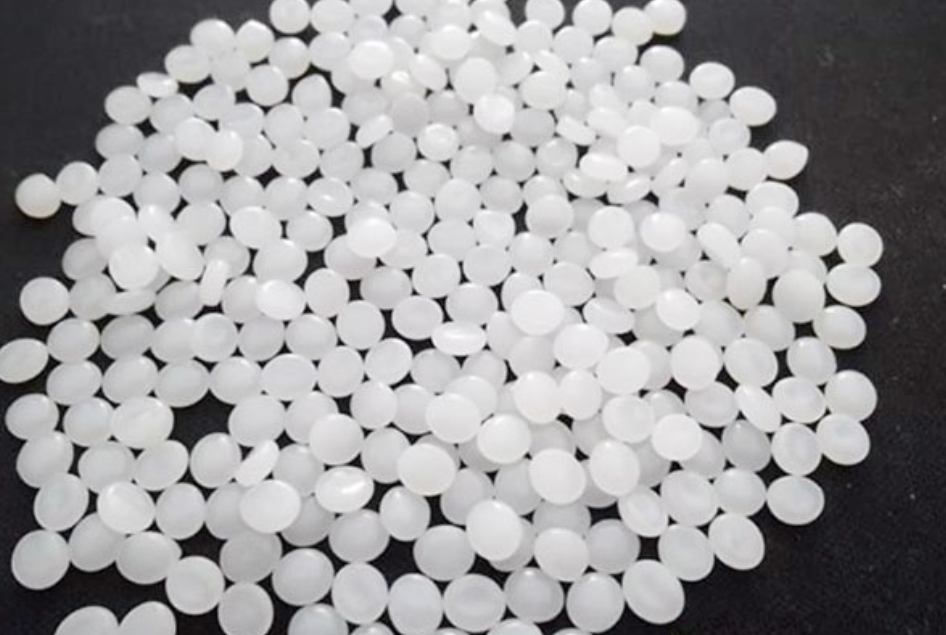
High Density Polyethylene (HDPE)
Found this useful?