TechnipFMC Wins $75M to $250M Flexible Pipe Contract for Brazil’s Pre-Salt Fields
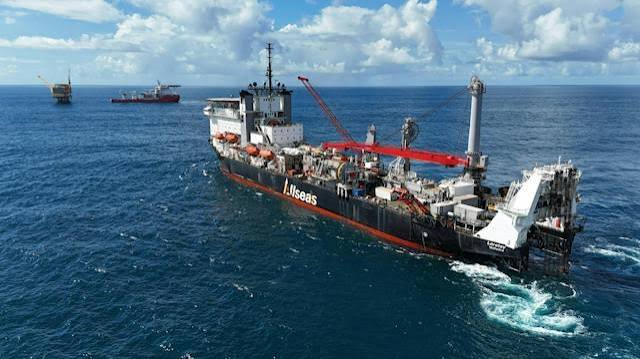
TechnipFMC booked a flexible pipe contract valued in the $75 million to $250 million range in the third quarter of 2026, highlighting the importance of specialised subsea infrastructure in Brazil’s pre-salt oil industry. Flexible pipe systems help offshore operators transport hydrocarbons between subsea wells, seabed equipment and floating production facilities.
For energy traders, industrial suppliers and procurement managers, the award illustrates how offshore oil investment generates demand beyond crude oil itself. It creates a reason to monitor developments in subsea engineering, specialised materials, manufacturing capacity and logistics for deepwater projects.
Brazil’s pre-salt fields present demanding operating conditions, requiring equipment that can withstand pressure, movement, corrosion risks and prolonged exposure to marine environments. Flexible pipe technology helps operators address these challenges while connecting production systems across complex offshore installations.
Why Flexible Pipe Technology Matters in Brazil’s Pre-Salt Fields
Brazil’s pre-salt reserves lie beneath thick layers of salt beneath the seabed, creating demanding conditions for offshore oil and gas production. Operators need subsea systems that can handle high pressures, changing loads and challenging installation environments while maintaining reliable fluid transport.
Flexible pipes use layered construction to combine strength, flexibility and resistance to demanding operating conditions. Depending on the application, their layers may include metallic reinforcement, polymer barriers and protective materials designed to manage pressure, prevent leakage and protect against external damage.
Compared with rigid pipeline systems, flexible flowlines and risers can accommodate movement between floating production vessels and subsea installations. This capability matters in deepwater projects, where ocean conditions and vessel motion place continuous demands on connected equipment.
TechnipFMC's contract covers the design, engineering and manufacture of flexible flowlines for multiple pre-salt fields offshore Brazil. The company will use its local engineering, manufacturing and supply chain capabilities to support the work.
For offshore operators, dependable flexible pipe systems can support production continuity and reduce the risks associated with complex subsea connections. Their design and manufacture require specialised expertise, careful material selection and strict quality controls.
What the $75M to $250M Contract Means for Offshore Procurement
TechnipFMC classifies the Petrobras award as a significant contract, a category it uses for awards valued between $75 million and $250 million. The company included the order in its third-quarter 2026 inbound orders.
The company has not disclosed the exact value within that range. The contract should therefore be understood as a substantial commercial award, not as a confirmed purchase value of $250 million.
The work creates demand for specialised manufacturing and engineering services rather than a simple commodity purchase. Its supply chain may involve multiple technical disciplines, including materials engineering, precision manufacturing, inspection, testing, packaging and transport.
Procurement teams supporting offshore projects should pay attention to several considerations:
Technical qualification: Components must meet the required pressure ratings, design standards and service conditions.
Material traceability: Suppliers need to maintain documentation that identifies materials, production batches and quality inspection results.
Manufacturing capacity: Specialised products may require long production schedules and dedicated equipment, making early planning essential.
Delivery coordination: Oversized reels and sensitive pipe systems require suitable handling, storage and transportation arrangements.
Contract management: Buyers need clear specifications, acceptance criteria, delivery milestones and procedures for handling quality issues.
The award also illustrates the importance of local supply chain capability. By using its Brazilian engineering and manufacturing operations, TechnipFMC can draw on an established regional base to execute work for Petrobras.
For industrial suppliers, local presence and technical readiness may matter as much as headline pricing when competing for offshore contracts.
Supply Chain Opportunities for Industrial and Chemical Traders
Flexible pipe manufacturing depends on specialised materials and carefully controlled production processes. Depending on the pipe design, these can include high-strength metals, polymer layers, protective coatings and materials used during fabrication, testing and maintenance.
This creates potential opportunities for industrial suppliers, although the contract announcement does not identify a complete bill of materials or confirm specific chemical purchasing requirements.
Chemical traders can still use the award to review adjacent product categories and assess whether their offerings meet the needs of qualified manufacturers or service contractors. Potential areas to investigate include industrial cleaning products, water-treatment chemicals, corrosion-control formulations and materials used in manufacturing support.
A disciplined sourcing strategy should focus on products with clear technical applications and established demand. Traders should not assume that standard industrial grades will satisfy the requirements of a specialised offshore pipe manufacturer.
Before approaching prospective buyers, suppliers should prepare:
Product specifications and current safety data sheets.
Certificates of analysis and relevant quality documentation.
Details of packaging, storage conditions and shelf life.
Information on manufacturing capacity, lead times and delivery locations.
Evidence of compliance with any customer-specific technical requirements.
These preparations help suppliers respond efficiently when a buyer requests a quotation. They also reduce the risk of offering unsuitable products for safety-critical offshore applications.
What Buyers Should Monitor Through the Rest of 2026
The third-quarter booking places the TechnipFMC award within a broader period of offshore project procurement. The next commercial milestones will involve contract execution, engineering, manufacturing planning and coordination with Petrobras's development schedules.
For procurement professionals, several indicators deserve attention:
Manufacturing progress: Updates on engineering and production can help suppliers anticipate potential demand for supporting materials and services.
Local sourcing requirements: Brazilian manufacturing and supply chain participation may influence vendor qualification and delivery arrangements.
Technical specifications: Confirmed requirements will help buyers distinguish relevant products from general-purpose industrial materials.
Logistics planning: Transport capacity, packaging and delivery schedules can affect the reliability of specialised equipment supply.
Energy traders should also keep the contract's scope in perspective. The award covers flexible flowlines for multiple pre-salt developments, but the announcement does not identify every field involved or disclose the precise contract value.
For suppliers, the most effective approach is to build relationships with qualified contractors, maintain competitive sourcing arrangements and prepare documentation before tenders or enquiries arise.
Looking Ahead: Flexible Pipe Demand in Deepwater Energy
TechnipFMC's $75 million to $250 million contract with Petrobras reinforces the importance of flexible pipe technology in Brazil's pre-salt oil developments. Booked in the third quarter of 2026, the award covers the design, engineering and manufacture of flexible flowlines for multiple offshore fields.
The project highlights how deepwater investment supports specialised manufacturing, subsea engineering and logistics. It also offers a useful signal for suppliers assessing the wider industrial ecosystem around offshore oil production.
For procurement managers and chemical traders, the priority is to identify genuine product requirements, confirm technical suitability and prepare reliable supply arrangements. Contract announcements can help businesses spot potential opportunities, but successful sourcing depends on matching products to actual specifications and approved purchasing needs.
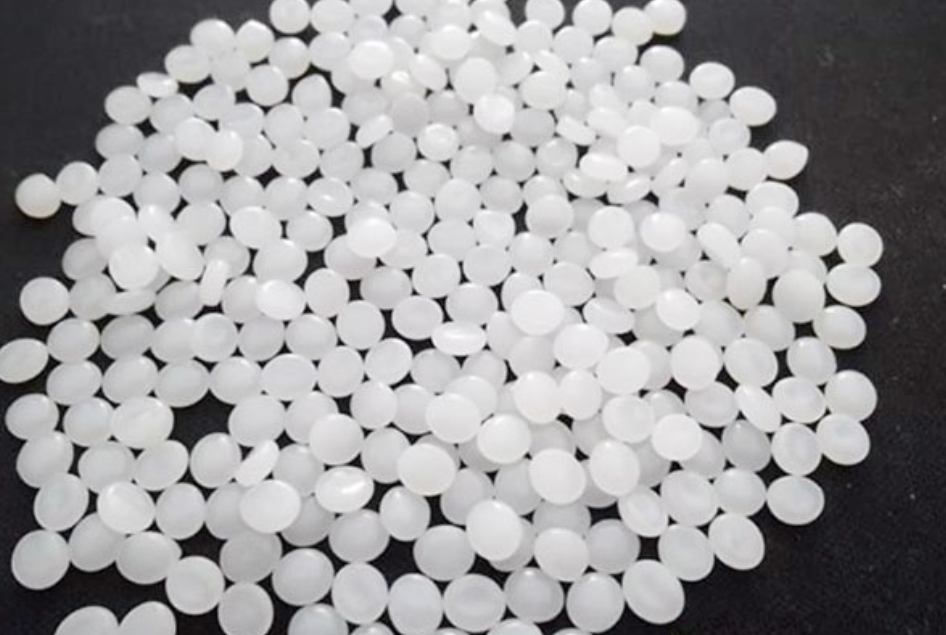
High Density Polyethylene (HDPE)
Found this useful?