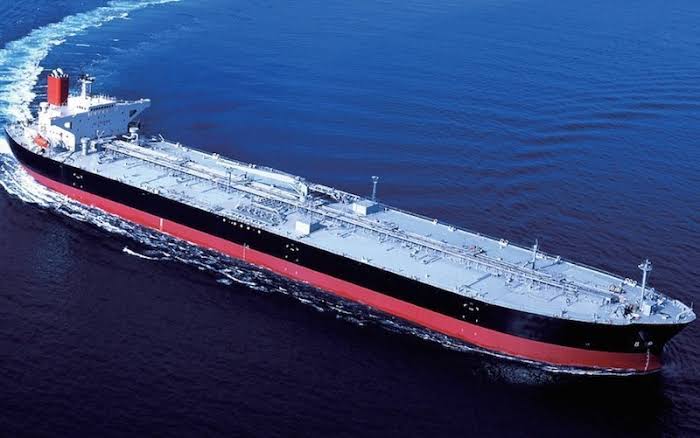
Hostilities have now intensified over a ten-day period, forcing analysts to compare this escalation pace directly against the original February-March crisis. This comparison is critical for gauging the relative severity of current disruptions to global chemical supply chains. Procurement managers and chemical traders must recognize that this trajectory does not represent a temporary fluctuation. The sustained nature of these events fundamentally alters feedstock availability and maritime logistics. Buyers relying on affected regions face immediate pricing volatility and potential allocation shortages. Understanding the historical parallels of the February-March crisis allows industry professionals to anticipate market movements accurately. Proactive supply chain restructuring is now a mandatory business function rather than an optional precaution.
Comparing the Ten-Day Escalation to the February-March Crisis
The original February-March crisis established a baseline for regional supply chain disruptions. During that period, market participants observed a rapid spike in freight rates and a brief contraction in naphtha availability. Market participants previously assumed that diplomatic channels would resolve that crisis rapidly.
The current ten-day conflict demonstrates a markedly different trajectory. Hostilities are intensifying rather than de-escalating. This sustained pressure prevents the market from finding a natural equilibrium.
Analysts observe that the current escalation involves more complex logistical chokepoints than the previous event. This complexity prevents rapid stabilization of shipping lanes. Consequently, chemical buyers must prepare for a prolonged period of supply constraint and elevated risk premiums.
Impact on Petrochemical Feedstock Availability
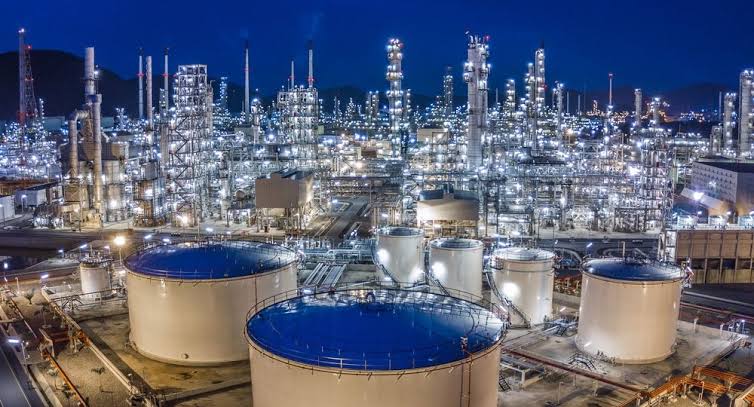
Prolonged conflict directly threatens the steady flow of essential petrochemical building blocks. Facilities in affected regions operate under severe operational stress. Power grids, water desalination plants and chemical hubs face continuous disruption.
This infrastructure strain forces producers to curtail output or initiate emergency shutdowns. The resulting drop in production immediately tightens the global supply of key derivatives.
Ethylene and polyethylene: Crackers relying on regional naphtha face immediate feedstock rationing. Producers prioritize domestic contracts over international exports to maintain local stability.
Propylene and polypropylene: Supply chains for these polymers experience severe bottlenecks. Extended vessel transit times trap critical inventory on the water.
Styrene monomer: The dual dependency on benzene and ethylene makes this chemical highly vulnerable. Any disruption in either feedstock cascades through the entire value chain.
Maritime Logistics and Freight Rate Volatility
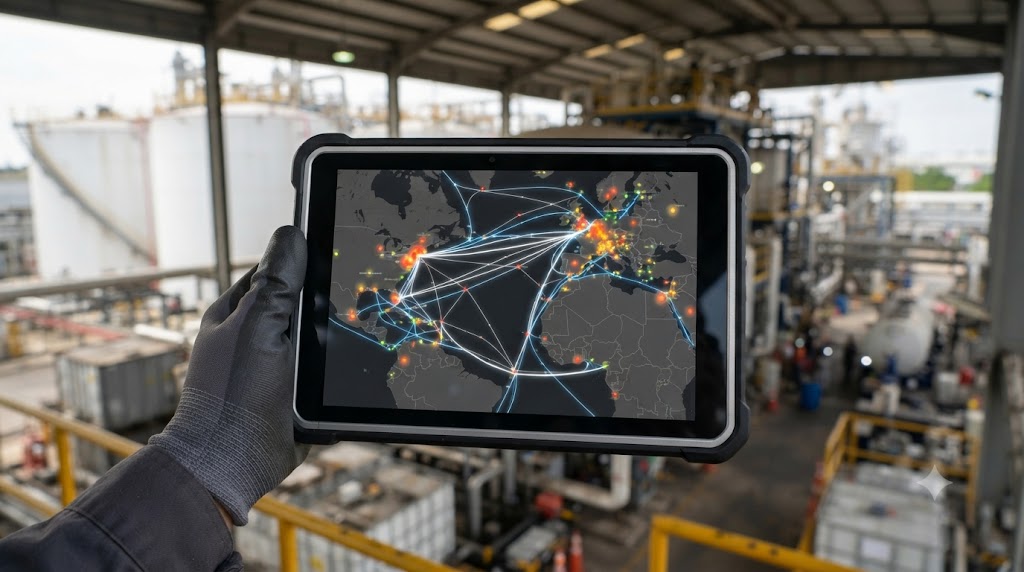
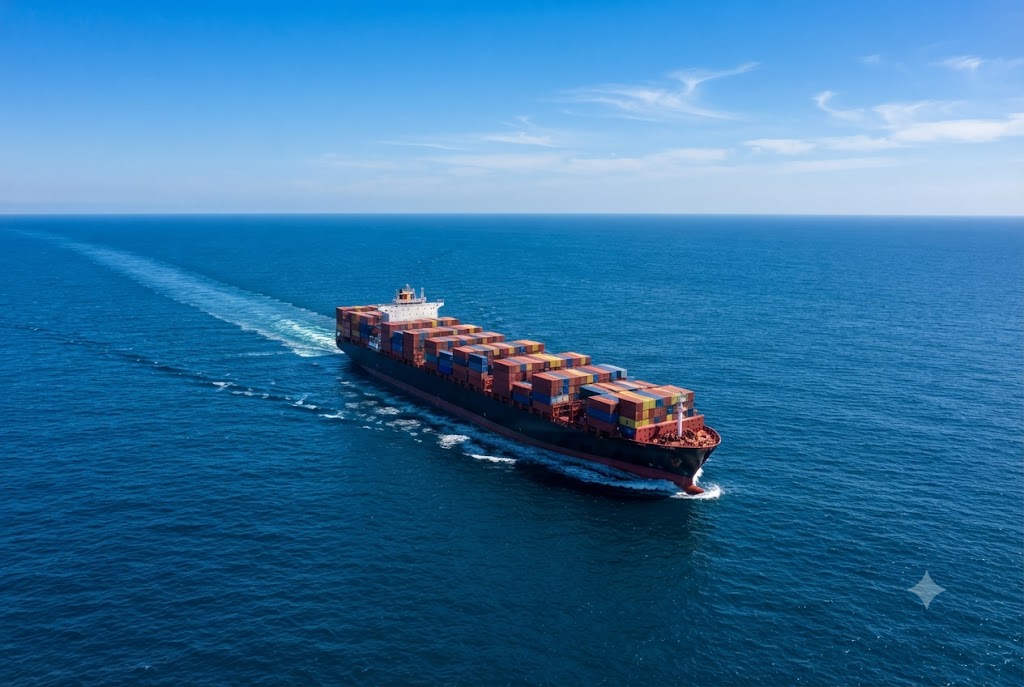
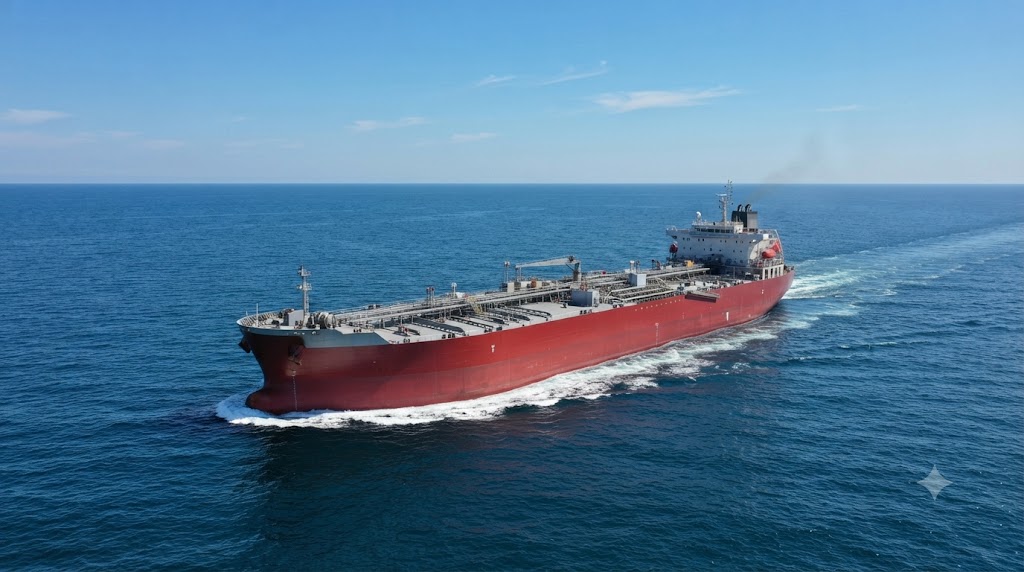
The ten-day escalation has severely degraded maritime logistics reliability. Shipping lines are actively avoiding contested waters to protect their assets and crews. This avoidance forces vessels onto longer alternative routes.
The Cape of Good Hope detour adds thousands of nautical miles to standard voyages. This extended transit time dramatically increases bunker fuel consumption and crew costs.
Freight forwarders pass these additional expenses directly to chemical shippers. Buyers now face unpredictable logistics budgets and extended payment terms. The artificial shortage of available vessel tonnage drives baseline charter rates higher across all global trade lanes.
Regulatory and Compliance Complications
Extended conflict periods trigger stricter regulatory scrutiny from international bodies. Governments actively monitor maritime emissions and sanctions compliance during geopolitical instability.
Vessels taking longer routes burn significantly more fuel. This increased consumption complicates compliance with the Carbon Intensity Indicator framework. Ships risk downgrading their efficiency ratings due to these forced detours.
Furthermore, the collapse of temporary sanctions waivers adds another layer of complexity. Procurement teams must verify that all contracted carriers maintain impeccable regulatory standing. Failure to do so invites severe financial penalties and cargo seizures at destination ports.
Strategic Sourcing Adjustments for Procurement Teams
Chemical buyers cannot control geopolitical conflicts. They must proactively adapt their sourcing strategies to mitigate exposure to prolonged disruptions. Diversification remains the most effective defense against regional supply shocks.
Qualify alternative suppliers. Sourcing chemicals from North American or European producers reduces exposure to a single maritime chokepoint. This geographic spread minimizes the impact of regional regulatory actions.
Renegotiate Incoterms. Shift from free on board to cost, insurance and freight terms where possible. This transfers the transit risk to the supplier during the most vulnerable shipping phases.
Build strategic inventory buffers. Holding additional safety stock protects against sudden delivery delays. The carrying cost of extra inventory is often far lower than the financial impact of a production halt.
Implement flexible contract structures. Use hybrid pricing models that share freight volatility risk transparently. This prevents sudden financial shocks when geopolitical events trigger price spikes.
What Buyers Should Do Now
The ten-day conflict trajectory signals a dangerous escalation in global chemical supply chain risks. Procurement professionals must treat geopolitical monitoring as a core business priority.
Audit your current supply network for single-point exposure immediately. Verify vessel tracking protocols and emissions compliance for all active shipments. Engage suppliers in transparent discussions about their specific contingency plans.
Building resilient sourcing networks requires decisive action before a crisis peaks. The organizations that secure alternative supply routes now will maintain production continuity. Others will face severe operational and financial consequences.
Ready to source Acrylonitrile from verified global suppliers? Explore competitive offers on our platform today.