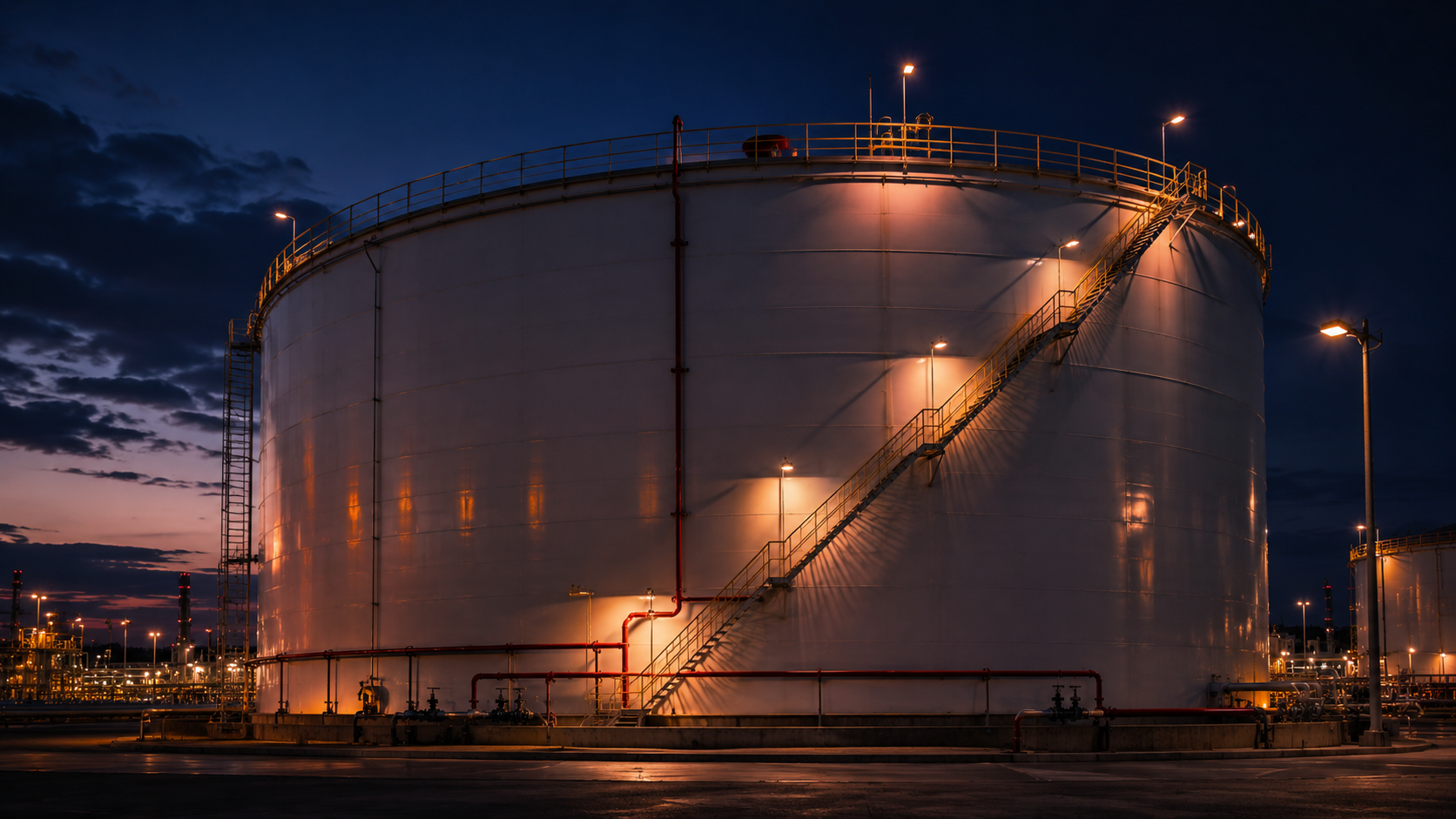
Thailand's emergency fuel export halt immediately drew attention across global energy and chemical markets. The decision aimed to protect domestic energy security by increasing strategic oil reserves to 60 days, while available inventories stood at only 38 days, with another 13 days of in-transit supply already cleared through the strait. For procurement professionals, the Thailand fuel export halt serves as an important reminder that government intervention can rapidly reshape regional trade flows. Beyond petroleum products, disruptions like this often influence feedstock availability, freight costs and purchasing strategies throughout the chemical industry.
Why Thailand Suspended Fuel Exports
Thailand introduced the emergency measure to strengthen domestic fuel security rather than respond to a shortage within industrial production. Officials sought to prevent reserve levels from falling below targets during a period of heightened uncertainty in regional energy logistics.
The decision temporarily stopped exports of fuel and petroleum products while authorities focused on rebuilding inventory levels. Although the measure targeted domestic energy resilience, its effects extended beyond Thailand's borders because neighboring markets depend on regional fuel movements.
Energy Security Has Become a Supply Chain Priority
Chemical manufacturing depends heavily on stable fuel supplies. Refining operations, transportation networks and industrial utilities all rely on predictable access to petroleum products.
When governments prioritize domestic reserves, several consequences usually follow:
Export availability falls, reducing immediate supply for overseas buyers. This forces importers to compete for alternative cargoes from other regions.
Freight routes become more congested as suppliers redirect shipments through different ports and terminals.
Spot market activity increases because buyers seek replacement volumes within shorter delivery windows.
Price volatility rises as uncertainty affects purchasing decisions across multiple industries.
These effects often appear within days rather than weeks, making procurement planning increasingly challenging.
Why Chemical Markets Pay Close Attention
Although the policy specifically targets fuel exports, chemical producers monitor these developments closely because many manufacturing processes depend on petroleum-derived feedstocks.
Products linked directly or indirectly to refinery operations may experience changing production economics when fuel markets tighten. Higher transportation expenses can also influence delivered chemical prices, even when manufacturing costs remain relatively stable.
Importers should remember that logistics costs often move faster than production costs during supply disruptions.
Regional Trade Flows Could Shift Quickly
Southeast Asia operates through an interconnected network of refiners, storage terminals and shipping routes. When one major exporter limits outbound cargoes, buyers naturally seek alternative suppliers.
This creates several market responses:
Regional refiners may receive additional export inquiries as customers diversify supply sources.
Shipping companies may adjust vessel schedules toward markets with stronger export availability.
Traders often increase inventory levels to reduce exposure to future disruptions.
Contract negotiations may include greater flexibility regarding delivery schedules and shipment origins.
These adjustments help stabilize supply over time, although they can temporarily increase procurement costs.
Freight Costs and Procurement Planning
Transportation represents a significant share of the final delivered cost for many industrial chemicals. Any disruption affecting marine fuel availability or tanker utilization can influence logistics expenses.
Procurement teams should avoid focusing only on chemical pricing. They should also monitor:
Ocean freight availability across key shipping routes.
Fuel surcharges applied by logistics providers.
Port congestion at alternative export locations.
Changes in vessel transit times.
A chemical purchased at a competitive price may still become expensive if logistics costs rise unexpectedly.
Building More Resilient Sourcing Strategies
Events such as Thailand's export suspension reinforce the value of supplier diversification. Companies relying on a single origin often face greater exposure when governments introduce emergency trade measures.
Effective procurement strategies increasingly include:
Maintaining qualified suppliers across multiple producing countries.
Reviewing inventory policies for essential raw materials.
Negotiating flexible delivery schedules with trading partners.
Monitoring geopolitical and energy developments alongside commodity prices.
These practices reduce operational risk without requiring excessive inventory investment.
The Wider Impact on Regional Chemical Trade
Energy market disruptions frequently influence sectors beyond petroleum itself. Manufacturers of plastics, solvents, coatings and industrial intermediates often monitor refinery activity because many feedstocks originate from integrated refining operations.
Even when chemical production continues normally, uncertainty can affect buyer behavior. Some companies accelerate purchases to secure supply while others delay orders in anticipation of changing prices.
This variation creates short-term fluctuations in market demand that traders must carefully manage.
What Buyers Should Watch During Similar Events
Emergency export restrictions rarely occur in isolation. Procurement managers should evaluate broader market signals before making purchasing decisions.
Key indicators include:
Government announcements regarding strategic reserve policies.
Inventory levels reported by producing countries.
Refinery operating rates across the region.
Shipping capacity and vessel availability.
Changes in import demand from neighboring economies.
Monitoring these indicators helps buyers distinguish temporary market reactions from longer-term structural changes.
The Bottom Line for Procurement Teams
Thailand's emergency fuel export halt demonstrates how quickly national energy security policies can influence international supply chains. While the measure focused on protecting domestic fuel reserves, its ripple effects reached traders, importers and industrial buyers throughout the region.
For chemical procurement professionals, resilience increasingly depends on diversified sourcing, continuous market intelligence and flexible purchasing strategies. Companies that prepare for unexpected policy shifts can respond more effectively when supply conditions change.
Ready to source petroleum products from verified global suppliers? Explore competitive offers on our platform today.