The Seveso Disaster: 50 Years of Agricultural Chemical Safety | ChemicalsBlog.com
Agrochemicals & Fertilizers
schedule4 Min Read
The Seveso Disaster and Agricultural Chemical Safety: 50 Years of Industrial Accident Prevention
terminal
prodchem
Jul 10, 2026
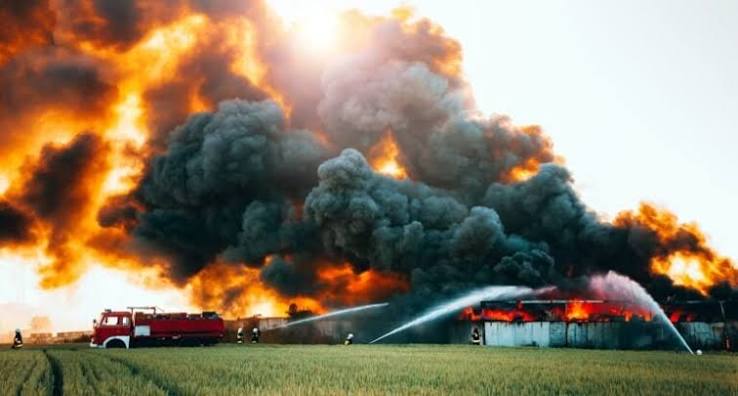
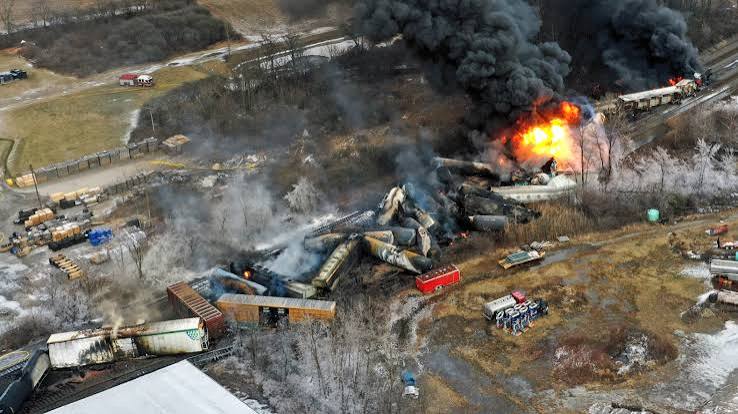
On July 10, 1976, the Seveso disaster in northern Italy became one of the most significant industrial chemical accidents in modern history. The release of toxic chemicals from a manufacturing facility not only affected the surrounding community but also transformed industrial safety regulations across Europe.
Fifty years later, the incident continues to influence how chemical manufacturing facilities manage hazardous substances. The European Union's Seveso III Directive now provides a comprehensive framework for preventing major industrial accidents, protecting workers, surrounding communities, and the environment.
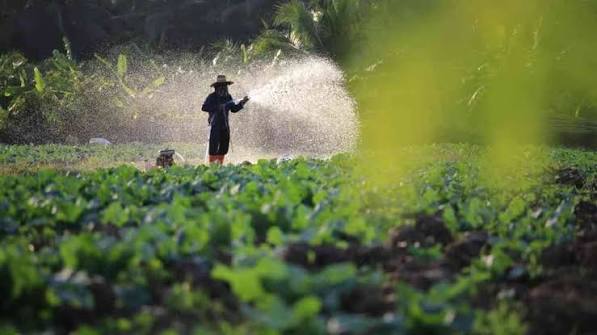
For agrochemical manufacturers producing herbicides, pesticides, fertilizers, and chemical intermediates, Seveso III compliance is an essential part of responsible operations. Procurement professionals working with European suppliers should understand how these regulations contribute to safer and more reliable supply chains.
Understanding the Seveso Disaster
The Seveso accident highlighted the risks associated with manufacturing and handling hazardous chemicals. Its long-term impact extended far beyond Italy, prompting European policymakers to establish stricter legislation governing facilities that store or process dangerous substances.
Today, the Seveso III Directive serves as one of the world's most comprehensive industrial safety frameworks, requiring companies to actively identify, assess, and manage major accident risks.
Why Seveso III Matters to Agrochemical Manufacturing
Agricultural chemical manufacturing often involves hazardous raw materials, intermediates, and finished products.
Facilities producing products such as:
Herbicides
Insecticides
Fungicides
Fertilizer intermediates
Crop protection chemicals
Industrial chemical feedstocks
may fall within the scope of Seveso III if they store specified dangerous substances above regulated threshold quantities.
Compliance helps ensure these facilities operate under robust safety and emergency management systems.
Strong industrial safety systems do more than satisfy regulatory requirements.
Effective safety management can contribute to:
Reduced operational disruptions
Improved manufacturing consistency
Better environmental performance
Enhanced workforce protection
Increased customer confidence
Stronger long-term business stability
For procurement professionals, these factors directly support supply chain resilience.
Looking Ahead
Fifty years after the Seveso disaster, industrial safety remains one of the foundations of Europe's chemical manufacturing sector. The Seveso III Directive has helped establish a culture of continuous risk management, emergency preparedness, and regulatory accountability across industries, including agricultural chemicals.
For procurement professionals, supplier evaluation should extend beyond commercial considerations to include operational safety, regulatory compliance, and risk management capabilities. Companies that prioritize responsible manufacturing practices are generally better positioned to deliver reliable supply while meeting increasingly stringent customer and regulatory expectations.
Key Takeaways
The Seveso disaster remains a defining event in the development of European industrial chemical safety regulations.
Seveso III establishes comprehensive safety requirements for facilities handling hazardous substances.
Many agrochemical manufacturing sites fall within the scope of Seveso III due to the nature of their operations.
Procurement teams should include safety management and regulatory compliance in supplier qualification programs.
Strong industrial safety practices contribute to more resilient and dependable chemical supply chains.
Supply chainriskEuropechemical intermediatesAgricultural Chemicalssupplier traceabilityAgrochemicalsEuropean Chemical MarketSupply Risk ManagementEurope Chemical MarketEuropean Chemicals Industrycrop-protectionCrop Protection ProductsSupplier Risk ManagementSeveso III