The Sum of All Fears: Simultaneous Hormuz and Bab el-Mandeb Closure Impact on Chemicals
A simultaneous closure of the Strait of Hormuz and the Bab el-Mandeb strait represents the ultimate supply chain nightmare for global energy and chemical markets. Current conflicts have already restricted roughly 10 percent of global oil supply through Hormuz disruptions.
A full closure of Bab el-Mandeb would immediately cut an additional 7 percent. This combined 17 percent shock would trigger unprecedented volatility in commodity chemical feedstock pricing and availability.
Procurement managers and chemical traders must recognize this compound risk. The convergence of these two critical maritime chokepoints threatens to sever the primary arteries of global petrochemical trade.
Buyers relying on Middle Eastern polyolefins or European naphtha derivatives face immediate exposure. Strategic planning must shift from reactive crisis management to proactive supply chain restructuring.
Understanding the Compound Feedstock Shock
The Strait of Hormuz and the Bab el-Mandeb strait serve as the twin pillars of global energy transit. Hormuz handles crude oil and naphtha exports from the Persian Gulf. Bab el-Mandeb controls access to the Red Sea and the Suez Canal for vessels traveling between Asia and Europe.
When both chokepoints close simultaneously, the market loses 17 percent of global oil supply. This massive deficit forces immediate rationing of available crude and refined products. Chemical manufacturers dependent on naphtha, ethane and other petroleum derivatives face severe input shortages.
Refinery operating rates will drop significantly as crude intake becomes physically constrained. Operators will run units at minimum safe throughput levels to preserve equipment integrity. This reduction directly limits the yield of light ends required for petrochemical synthesis.
Naphtha spot prices will decouple from broader crude benchmarks during this event. Regional premiums will skyrocket as buyers compete for the shrinking pool of available material. Asian markets will feel this pressure most acutely due to their heavy reliance on seaborne imports.
Regional Market Impacts and Trade Flow Disruptions
The geographic impact of a dual strait closure varies significantly by region. Asian buyers traditionally rely on Middle Eastern exports passing through Hormuz. A closure forces them to seek alternative supplies from North America or domestic sources.
European chemical producers face a different crisis. They depend on Middle Eastern and Asian shipments transiting the Bab el-Mandeb and Suez Canal. Rerouting these vessels around the Cape of Good Hope adds weeks to transit times.
This extended voyage duration traps chemical inventory on the water. Just-in-time manufacturing models collapse under the weight of these delays. Buyers must secure emergency spot cargoes at premium prices to maintain operations.
North American exporters will experience a sudden surge in global demand. Gulf Coast polyolefin producers will redirect cargoes away from traditional domestic markets toward international buyers. This shift will tighten local supply and drive up domestic spot prices.
Latin American chemical markets will also face severe disruptions. Many regional processors depend on Asian intermediates that normally transit the Suez Canal. Alternative routing around Africa adds significant time and cost to these vital supply lines.
Freight and Logistics Volatility
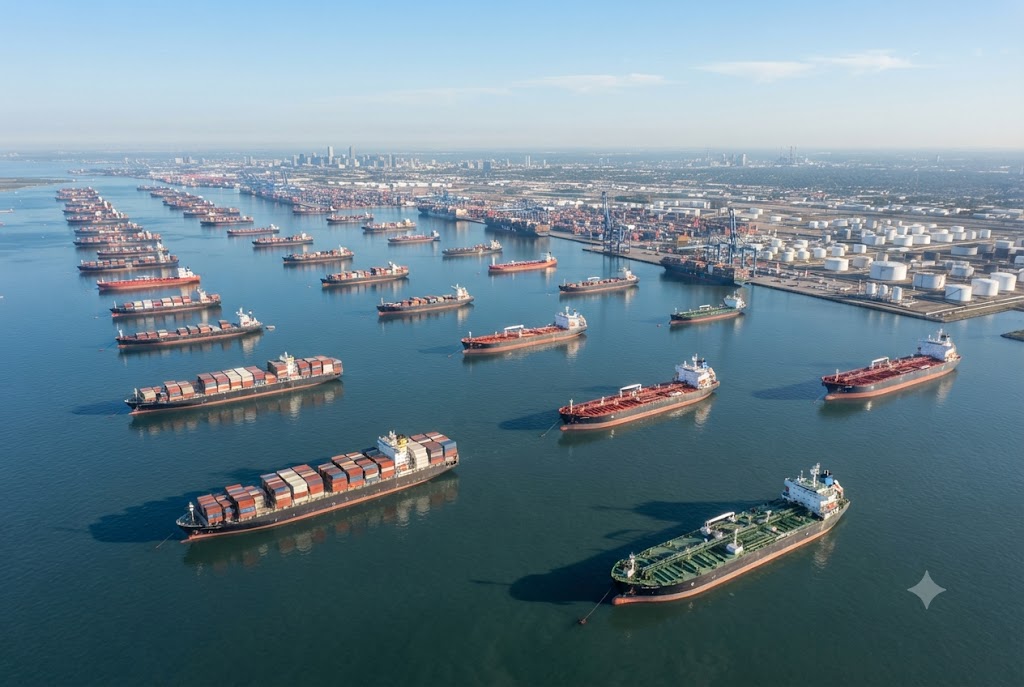
Maritime logistics will experience extreme stress under a dual closure scenario. Shipping lines will immediately suspend transits through both contested waterways. Vessel availability will plummet as operators seek safer routes.
Freight rates for chemical tankers will surge exponentially. Owners will demand massive risk premiums for any voyage near conflict zones. Bunker fuel costs will also rise due to longer alternative routing.
Insurance underwriters will declare both straits absolute exclusion zones. Standard marine cargo policies will void coverage for vessels attempting passage. Buyers must secure specialized war risk insurance at prohibitive costs.
Port terminals worldwide will experience severe congestion as vessel schedules collapse. Ships diverted from the Red Sea will arrive at European and Asian ports in unpredictable clusters. Terminal operators will struggle to manage the sudden influx of delayed cargo.
Demurrage and detention charges will accumulate rapidly for chemical buyers. Contracts must clearly define liability for these unexpected delays. Buyers without robust force majeure clauses will absorb massive financial penalties.
Commodity Chemicals Facing Maximum Pressure
Specific chemical segments will bear the brunt of this supply shock. Feedstock dependency dictates the severity of the impact across different product families.
Polyethylene and Polypropylene: These high-volume polymers rely heavily on Gulf ethane and naphtha. Production cuts will create immediate global shortages for packaging and industrial buyers.
Styrene and Polystyrene: Benzene and ethylene inputs will become scarce and expensive. Integrated producers will struggle to maintain operating rates amid rising raw material costs.
Polyethylene Terephthalate (PET): Paraxylene and ethylene glycol production will face severe feedstock constraints. Bottlers and packaging manufacturers will encounter immediate resin shortages.
Acrylonitrile Butadiene Styrene (ABS): Propylene and benzene shortages will compound existing supply tightness. Automotive and electronics sectors will face extended lead times for critical components.
Methanol: Regional logistics bottlenecks will delay exports despite natural gas feedstocks. Asian buyers will face severe supply tightness as alternative routing slows deliveries.
Strategic Sourcing Adjustments for Procurement Teams
Chemical buyers cannot control geopolitical conflicts. They must adapt their sourcing strategies to survive a 17 percent supply shock. Diversification is the only viable defense against compound maritime disruptions.
Procurement teams should immediately qualify alternative suppliers outside the affected regions. North American ethane-based producers offer a stable alternative to Gulf naphtha. European buyers should explore domestic recycling streams or bio-based polymers.
Contract structures require immediate revision. Fixed-price agreements leave buyers exposed to sudden market spikes. Hybrid contracts with transparent feedstock indexation provide better risk sharing.
Inventory management must shift from lean to resilient. Building strategic safety stock buffers protects against multi-week delivery delays. The carrying cost of extra inventory is far lower than the cost of a production shutdown.
Supply chain mapping must extend beyond tier-one suppliers. Buyers need visibility into the raw material sources of their direct vendors. A supplier might appear geographically safe while relying on disrupted feedstock corridors.
Collaborative forecasting with key suppliers becomes essential during extreme volatility. Sharing demand projections helps producers allocate scarce feedstock more efficiently. This transparency builds trust and secures priority access during allocation periods.
What Buyers Should Do Now
The simultaneous closure of Hormuz and Bab el-Mandeb is no longer a theoretical risk. It is a plausible scenario with catastrophic implications for commodity chemical markets. Procurement professionals must treat maritime security as a core business priority.
Audit your current supply chain for chokepoint exposure today. Verify vessel tracking protocols and insurance coverage for all active shipments. Engage suppliers in transparent discussions about their contingency plans.
Building resilient sourcing networks requires decisive action before a crisis peaks. The organizations that secure alternative supply routes now will maintain production continuity. Others will face severe operational and financial consequences.
Ready to source commodity chemicals from verified global suppliers? Explore competitive offers on our platform today.

High Density Polyethylene (HDPE)
Found this useful?