
The UAE's ADNOC Nears the Finish Line on Its Largest-Ever International Deal with Covestro
The proposed €14.7 billion ADNOC Covestro acquisition has become one of the most closely watched transactions in the global chemical sector. Beyond its financial scale, the deal represents the largest international acquisition in ADNOC's history and signals a major shift in how energy companies are positioning themselves within the global chemicals value chain.
For chemical traders, procurement managers and industrial buyers, this development extends far beyond corporate headlines. It has the potential to influence polymer production, regional supply networks, investment priorities and long term sourcing strategies across multiple industries.
Why the ADNOC Covestro Acquisition Matters
ADNOC has steadily expanded beyond traditional oil and gas operations by investing across the chemical value chain. Acquiring Covestro would significantly strengthen that strategy by adding one of the world's leading producers of advanced polymer materials.
Covestro serves customers across numerous manufacturing sectors through products used in high performance plastics, coatings, adhesives and specialty materials. Integrating those capabilities would immediately expand ADNOC's international manufacturing footprint.
The transaction also reflects a wider industry trend. Major energy companies increasingly seek downstream chemical assets that provide stronger long term demand than conventional fuels.
What Covestro Brings to the Portfolio
Covestro has built its reputation around innovative material solutions that support industries demanding lightweight, durable and sustainable products.
Its portfolio includes materials used in:
Polycarbonate production for automotive, electronics and medical applications where durability and transparency are essential.
Polyurethane raw materials that support insulation, construction, refrigeration and furniture manufacturing.
High performance coating systems serving industrial equipment, transportation and infrastructure projects.
Specialty polymer technologies developed for circular economy initiatives and recycled material applications.
These product segments remain essential across manufacturing industries despite changing economic cycles, making Covestro an attractive strategic asset.
Strategic Benefits for ADNOC
The proposed acquisition offers several advantages beyond immediate revenue growth.
Key strategic benefits include:
Greater exposure to higher value specialty chemicals instead of relying primarily on commodity hydrocarbons.
Expanded manufacturing capabilities across Europe and international markets, reducing dependence on any single region.
Stronger research and development resources that can accelerate innovation in advanced polymer technologies.
Better integration between upstream feedstock production and downstream chemical manufacturing.
This combination would allow ADNOC to participate more actively across multiple stages of the global chemical supply chain.
How the Deal Could Affect Global Polymer Trade
The acquisition may reshape trading patterns for several polymer products over the coming years.
Procurement teams should monitor several possible developments:
Increased investment in production facilities serving Europe, Asia and the Middle East.
Stronger supply chain integration that could improve operational efficiency across manufacturing networks.
New regional partnerships that expand distribution channels for industrial buyers.
Greater emphasis on sustainable polymer production as environmental expectations continue to influence purchasing decisions.
Although operational changes typically require time following acquisitions, buyers often begin adjusting sourcing strategies well before integration is complete.

Procurement Implications for Chemical Buyers
Large acquisitions frequently influence commercial negotiations throughout the supply chain.
Procurement professionals should pay attention to:
Supplier relationships that may evolve as manufacturing operations become more integrated.
Long term contract opportunities that emerge from expanded production capacity.
Regional inventory planning as logistics networks adjust to new ownership structures.
Product availability across key polymer grades supplied into automotive, packaging, electronics and construction sectors.
Maintaining diversified sourcing remains important even when market consolidation creates larger global suppliers.
Sustainability Could Become a Stronger Competitive Driver
Sustainability continues to influence investment decisions across the chemical industry.
Covestro has invested heavily in technologies supporting lower emissions, recycled raw materials and circular manufacturing approaches. These capabilities align with broader industry efforts to reduce environmental impact while maintaining product performance.
For buyers, this could eventually translate into wider availability of materials designed to help manufacturers meet sustainability targets without compromising quality.
Companies serving consumer products, automotive manufacturing and construction increasingly request documentation related to environmental performance, making sustainable polymer production an important competitive advantage.
What This Means for International Chemical Trade
The proposed acquisition highlights how global competition within chemicals continues to evolve.
Rather than focusing only on energy production, integrated companies increasingly compete through advanced manufacturing, technology development and international distribution networks.
For traders and distributors, several opportunities may emerge:
Expansion into new export markets supported by larger production networks.
Improved access to diversified product portfolios through integrated suppliers.
Greater collaboration between Middle Eastern producers and European manufacturing operations.
Increased investment across logistics, storage and regional distribution infrastructure.
These developments could strengthen cross border trade while creating new sourcing options for industrial customers.
Looking Ahead for Procurement Teams
The ADNOC Covestro acquisition represents more than a single corporate transaction. It illustrates the growing importance of integrated chemical value chains, international manufacturing partnerships and advanced material technologies within the global market.
Procurement teams should continue monitoring supplier developments, production investments and regional trade flows as the acquisition progresses. Businesses that adapt sourcing strategies early often place themselves in a stronger position when market structures evolve.
Ready to source polymer raw materials from verified global suppliers? Explore competitive offers on our platform today.
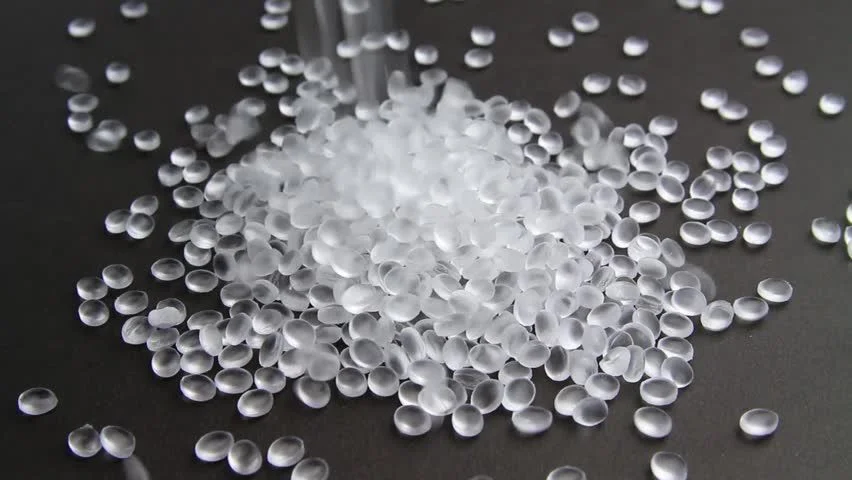
Polyethylene Terephthalate (PET)
Found this useful?