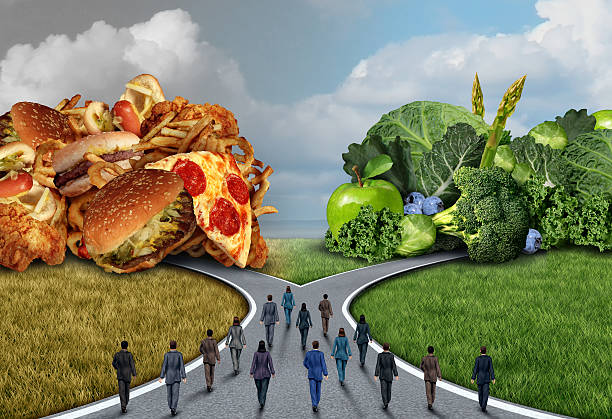
In recent years, the term ultra‑processed foods (UPF) has moved from academic debate to mainstream conversation. Consumers, nutritionists, and policymakers increasingly scrutinize the ingredient lists of familiar snacks, ready meals, and beverages. This scrutiny is no longer a niche concern— it is reshaping the very foundations of food manufacturing.
Why the UPF Debate Matters
The UPF debate centers on the health implications of foods that contain high levels of additives, artificial sweeteners, and highly refined ingredients. Studies link excessive UPF consumption to obesity, cardiovascular disease, and metabolic disorders. As a result, public health campaigns and regulatory bodies are calling for clearer labeling and reduced use of harmful components.
Consumer Demand for Clean Labels
Modern shoppers are no longer satisfied with a long ingredient list that includes vague terms such as "food coloring" or "natural flavor."риж
They want to see recognizable names, often derived from whole foods. Clean label products are marketed as free of artificial additives, trans fats, and excessive sugars. This movement has pushed brands to re‑evaluate every ingredient they use.
Food reformulation is the systematic process of altering a product’s recipe to improve health, safety, or sustainability while maintaining taste and texture. Manufacturers are employing several strategies:
Replacing refined sugars with natural sweeteners like stevia or monk fruit.
Using whole‑grain flours instead of refined wheat.
Substituting synthetic emulsifiers with plant‑based alternatives such as sunflower lecithin.
Eliminating artificial colors and replacing them with fruit and vegetable extracts.
Innovation is at the heart of this shift. Companies invest in research and development to discover new ingredients that meet both regulatory and consumer expectations. Examples include:
High‑fiber ingredients like inulin and chicory root that boost satiety.
Plant‑based proteins such as pea or soy isolate that replace animal proteins.
Functional fibers that improve gut health, such as beta‑glucan Tud
Natural preservatives like rosemary extract that extend shelf life without synthetic chemicals.
Regulatory Pressure and Labeling Transparency
Governments around the world are tightening regulations on food additives. For instance, the European Union’s Novel Food Regulation requires rigorous safety assessments before new additives can be approved. In the United States, the Food and Drug Administration (FDA) is exploring stricter labeling for sodium and added sugars.
These regulatory frameworks compel manufacturers to:
Audit existing ingredient inventories.
Remove or replace disallowed additives.
Adopt transparency standards that list ingredients in descending order by weight.
Impact on Pricing and Market Dynamics
Reformulated products often come with higher production costs, especially when sourcing premium natural ingredients. However, the market responds positively to perceived health benefits, allowing companies to price products slightly above conventional alternatives. Consumer willingness to pay for cleaner labels is a crucial driver of market success.
As the UPF debate continues, several trends are likely to dominate:
Greater emphasis on whole‑food ingredients and minimal processing.
Development of functional foods that deliver specific health benefits, such as gut‑health probiotics.
Use of precision nutrition data to tailor products to individual dietary needs.
Expansion of plant‑based alternatives for traditionally animal‑derived products.
Ultimately, the push against ultra‑processed foods is reshaping the industry. By embracing natural ingredients, cleaner labels, and innovative formulations, food manufacturers are not only responding to consumer demands but also contributing to a healthier future for all.