Third U.S. Service Member Killed: A Signal Pharma Supply Chains Need Longer Contingency Windows
Introduction
The death of a third U.S. service member within a short period underscores the continuing security challenges in the Middle East and serves as another reminder of how geopolitical instability can ripple through global supply chains. While the immediate tragedy is a military and humanitarian matter, escalating regional tensions often have broader consequences for international trade, energy markets, and pharmaceutical logistics.
For pharmaceutical manufacturers, Active Pharmaceutical Ingredient (API) suppliers, and procurement teams, the latest developments reinforce the importance of extending contingency planning beyond short-term disruptions. As geopolitical risks become increasingly unpredictable, longer contingency windows are emerging as a strategic necessity rather than an operational preference.
Why Geopolitical Events Matter to Pharma Supply Chains
The pharmaceutical industry relies on highly interconnected global supply networks that depend on stable transportation corridors, predictable lead times, and uninterrupted access to raw materials.
Escalating regional tensions can influence:
Ocean freight reliability.
Air cargo availability.
Fuel and transportation costs.
Marine insurance premiums.
Customs processing and border inspections.
Supplier production schedules.
Even when pharmaceutical facilities remain unaffected, disruptions to logistics networks can delay critical shipments.
The Growing Need for Longer Contingency Windows
Traditional procurement strategies often planned for disruptions lasting a few days or weeks. However, recurring geopolitical events suggest that supply chain interruptions may persist for much longer.
Longer contingency windows help organizations prepare for:
Extended shipping delays.
Repeated route diversions.
Port congestion.
Capacity shortages.
Regulatory changes.
Escalating transportation costs.
By planning further ahead, companies can reduce the likelihood of production interruptions and medicine shortages.
API Supply Chains Are Particularly Vulnerable
Active Pharmaceutical Ingredients frequently move across multiple countries before reaching finished drug manufacturers.
Potential vulnerabilities include:
Long international transportation routes.
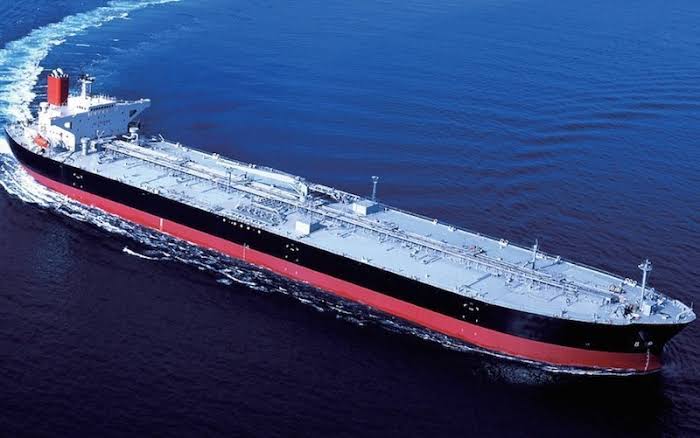
Heavy dependence on maritime shipping.
Limited qualified supplier bases for certain APIs.
Strict regulatory approval requirements for alternative suppliers.
Temperature-controlled logistics for specialized products.
These factors make pharmaceutical supply chains less flexible than many other industries during periods of geopolitical uncertainty.
Procurement Strategies for Extended Disruptions
To strengthen resilience, procurement leaders should move beyond reactive crisis management and adopt longer-term planning approaches.
Recommended actions include:
Increase Safety Stock for Critical APIs
Maintain strategic inventory levels for essential pharmaceutical ingredients with long replenishment lead times.
Diversify Qualified Suppliers
Develop relationships with approved suppliers across multiple geographic regions to reduce dependence on a single source.
Extend Procurement Planning Horizons
Incorporate geopolitical scenarios into procurement forecasts and sourcing decisions several months in advance.
Strengthen Logistics Partnerships
Collaborate closely with freight forwarders and logistics providers to identify alternative transportation options before disruptions occur.
Monitor Geopolitical Intelligence Continuously
Integrate real-time geopolitical monitoring into procurement and supply chain decision-making processes.
Business Continuity Requires More Than Inventory
Modern pharmaceutical resilience extends beyond warehouse stock levels.
Organizations should also evaluate:
Manufacturing flexibility.
Alternative transportation routes.
Supplier financial stability.
Utility and infrastructure resilience.
Regulatory preparedness.
Cross-functional crisis response planning.
A comprehensive resilience strategy enables faster adaptation when disruptions emerge unexpectedly.
What Procurement Teams Should Monitor
Over the coming months, pharmaceutical organizations should pay close attention to:
Security developments across the Middle East.
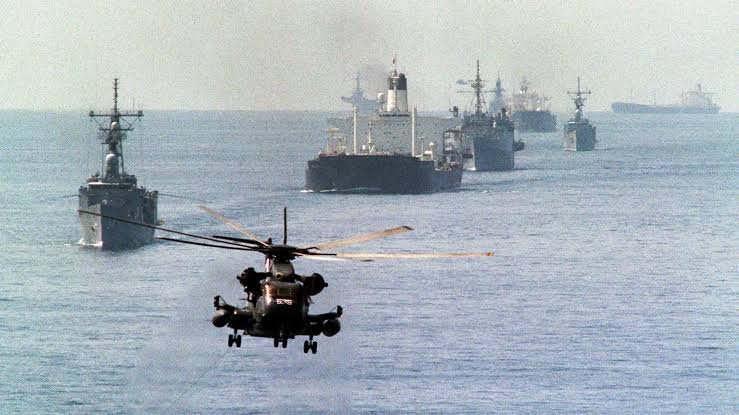
Maritime activity in the Strait of Hormuz and the Red Sea.
Ocean and air freight market trends.
Fuel price volatility.
Marine insurance premiums.
Supplier lead-time changes.
Regulatory updates affecting international trade.
Timely monitoring supports proactive rather than reactive decision-making.
Conclusion
The death of a third U.S. service member highlights the broader geopolitical uncertainty affecting one of the world's most strategically important regions. While the direct implications are primarily military, the indirect effects on pharmaceutical logistics, freight markets, and procurement planning cannot be overlooked.
For pharmaceutical manufacturers and supply chain leaders, extending contingency windows, diversifying supplier networks, and strengthening logistics resilience are becoming essential components of long-term operational strategy. In an environment where geopolitical disruptions can persist for weeks or months, preparation—not reaction—will be the defining factor in maintaining reliable medicine supply.