thyssenkrupp nucera’s Portuguese Electrolyzer Assembly Hub Supports Europe’s Low-Carbon Hydrogen Industry
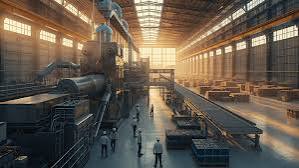
Europe’s low-carbon hydrogen industry is gaining a new manufacturing link as thyssenkrupp nucera establishes a dedicated electrolyzer cell assembly hub in Portugal. The facility will centralize assembly activities that previously took place in decentralized customer-operated workshops, with semi-automated processes designed to improve production efficiency and shorten lead times.
Located in Vila Nova de Gaia, south of Porto, the hub represents a practical step toward strengthening Europe’s hydrogen equipment supply chain. For project developers, industrial buyers and procurement teams, the initiative highlights how specialized regional manufacturing can influence equipment availability, installation planning and the delivery schedules of emerging low-carbon chemical projects.
How Electrolyzer Cell Assembly Supports Low-Carbon Chemicals
Electrolyzers use electricity to split water into hydrogen and oxygen. When renewable electricity powers the process, producers can generate renewable hydrogen, which can support lower-emission industrial production compared with conventional hydrogen derived from fossil fuels.
Hydrogen serves as an important feedstock for several chemical value chains, including ammonia and methanol. It can also support refining and other industrial processes where manufacturers want to reduce the emissions associated with conventional hydrogen supplies.
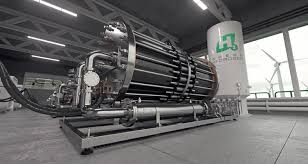
The electrolyzer itself contains multiple components that must work together under demanding operating conditions. Cell assembly therefore plays an important role in equipment quality, system integration and project readiness.
thyssenkrupp nucera supplies alkaline water electrolysis technology for industrial applications. Its standardized scalum® platform uses a 20-megawatt unit design, and the new Portuguese facility will initially assemble cells for alkaline water electrolysis systems.
For chemical manufacturers, this development matters because electrolyzer manufacturing capacity forms part of the wider infrastructure needed to produce low-carbon hydrogen at industrial scale.
Why thyssenkrupp nucera Is Centralizing Assembly in Portugal
The new hub addresses a practical challenge in equipment manufacturing. Under the previous approach, customer-operated workshops assembled individual cell elements before teams installed them at project sites, spreading the work across different locations.
Centralizing these activities allows thyssenkrupp nucera to standardize assembly procedures and organize production around a dedicated line. Semi-automation can also help teams process multiple cells in parallel, reducing the time required for individual assembly operations.
Several operational advantages underpin the decision:
More consistent workflows: Standardized assembly processes can reduce variation between workstations and help manufacturers maintain repeatable production procedures.
Improved throughput: A production-line structure allows teams to process multiple cells in parallel rather than relying entirely on separate manual assembly activities.
Simpler project preparation: Customers can receive ready-to-install cell packages instead of establishing their own assembly infrastructure.
Closer service coordination: A centralized assembly operation can connect manufacturing expertise more directly with equipment maintenance and cell replacement activities.
These improvements could make equipment delivery easier to coordinate across European projects. However, actual project schedules will still depend on engineering requirements, component availability, transportation and installation readiness.
Portugal’s Role in Europe’s Hydrogen Equipment Supply Chain
Portugal offers a location for thyssenkrupp nucera to serve European hydrogen projects from a dedicated assembly operation. The company has signed a lease for a building exceeding 7,500 square metres at VGP Park in Vila Nova de Gaia, close to Porto.
The facility also reflects a wider industrial priority: developing regional capabilities for strategically important clean-energy technologies. European hydrogen projects depend on a network of equipment manufacturers, engineering contractors, electricity suppliers and industrial customers, so improvements at one stage of the supply chain can influence the coordination of the wider project.
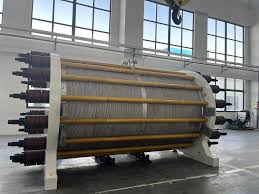
The location could also support more predictable coordination between assembly and installation teams. By preparing cell packages at a central facility, suppliers and project developers may reduce the amount of assembly work required at individual sites.
For chemical buyers, the broader significance lies in the connection between manufacturing infrastructure and future feedstock availability. More efficient equipment delivery can help developers coordinate hydrogen production projects, although the assembly hub alone does not guarantee lower hydrogen prices or faster completion of every project.
Investment, Construction and the 2028 Start-Up Target
thyssenkrupp nucera plans to invest between €10 million and €14 million in the Portuguese assembly hub. The project also receives approximately €3.7 million in Portuguese government funding through the COMPETE2030 programme, linking private industrial investment with public support for industrial development.
The project follows a phased development schedule:
Winter 2026: Building construction is scheduled to begin.
After construction: The company plans to install the assembly line and prepare the facility for operations.
2028: Electrolyzer cell assembly is scheduled to begin, with cells initially intended for the Onuba project developed by Spanish energy company Moeve.
The planned start-up date gives project developers a timeline for understanding when the new assembly capability may become available. It also illustrates why procurement teams should distinguish between announced manufacturing capacity and equipment that suppliers can deliver today.
For buyers planning projects before 2028, existing production arrangements and confirmed delivery schedules will remain important. For projects targeting later commissioning dates, the hub may offer another factor to consider when evaluating equipment supply and installation plans.
What the Hub Could Mean for Chemical Industry Buyers
The connection between electrolyzer manufacturing and chemical procurement extends beyond purchasing the equipment itself. Hydrogen production projects require coordinated decisions involving electricity supply, plant engineering, water treatment, process integration and the downstream facilities that consume hydrogen.
A centralized assembly operation could help reduce uncertainty around one part of that process. Ready-to-install cell packages may also reduce the need for customers to arrange dedicated assembly facilities and personnel at their own sites.
Procurement managers should assess the development through several practical considerations.
Equipment delivery and project schedules: Buyers should request clear delivery milestones and confirm whether equipment availability aligns with construction, commissioning and production targets.
Supplier responsibilities: Contracts should specify which assembly, transportation, installation and commissioning activities fall within the supplier's scope. Clear responsibilities can help avoid scheduling disputes between equipment vendors and engineering contractors.
Technical compatibility: Procurement teams should verify that electrolyzer cells and associated packages meet the project's design requirements, operating conditions and integration standards.
After-sales support: Maintenance arrangements, spare-cell availability and replacement procedures can affect long-term equipment reliability. Buyers should assess these provisions alongside initial purchase prices.
Total project costs: A simpler installation process may reduce certain site-level expenses, but buyers should evaluate the complete project budget rather than assume that centralized assembly automatically lowers the overall cost of hydrogen production.
These checks can help chemical producers compare equipment offers on a consistent basis. They also provide a framework for evaluating how manufacturing improvements translate into commercial benefits.
Implications for Ammonia, Methanol and Other Chemical Value Chains
Low-carbon hydrogen can serve as a building block for chemical products that traditionally rely on hydrogen produced from fossil fuels. Ammonia manufacturing, for example, combines hydrogen with nitrogen, while methanol production uses hydrogen alongside a carbon-containing feedstock.
Electrolyzer availability therefore matters to companies considering lower-emission production routes. Equipment delivery delays can affect the sequencing of hydrogen generation and downstream chemical plant construction, potentially complicating the coordination of interconnected facilities.
A more centralized assembly model could support that coordination by giving project teams another manufacturing resource with standardized processes. Its impact will depend on the scale of demand, the hub's eventual output and the ability of other parts of the supply chain to keep pace.
Chemical producers should also consider the cost and availability of renewable electricity. Even if electrolyzer equipment becomes easier to procure, electricity prices, utilization rates, financing costs and infrastructure access will continue to influence the commercial viability of renewable hydrogen.
The Portuguese hub should therefore be viewed as one part of a broader industrial transition. It addresses an equipment assembly challenge rather than resolving every cost, infrastructure or demand barrier facing low-carbon chemicals.
What Procurement Teams Should Watch Before 2028
The Portuguese assembly hub creates an opportunity for project developers to plan around a more centralized approach to electrolyzer cell preparation. However, procurement decisions should rely on confirmed technical specifications, contractual commitments and delivery schedules rather than anticipated improvements alone.
Buyers should monitor three developments as the project progresses:
Construction and commissioning: Progress toward the planned 2028 start-up will help buyers understand when the facility could support their project schedules.
Delivery arrangements: Suppliers should clarify how ready-to-install cell packages will affect transportation, site preparation and installation responsibilities.
Service and replacement support: Procurement teams should establish how the centralized facility will support equipment maintenance throughout the operating life of a hydrogen plant.
For chemical manufacturers, the main opportunity is better coordination between electrolyzer supply and downstream production investments. If standardized assembly reduces delivery bottlenecks, developers may find it easier to organize project schedules and allocate resources across interconnected facilities.
The longer-term commercial outcome will depend on execution, equipment demand and the economics of renewable hydrogen. For now, thyssenkrupp nucera's Portuguese hub signals a move toward more centralized and semi-automated electrolyzer assembly in Europe, with potential benefits for industrial buyers seeking dependable equipment supply.
Found this useful?