Titanium Dioxide Price Hike Cycle: Why Supply Cuts Could Tighten the 2026 Market
Titanium dioxide is entering a new phase of the market cycle as permanent capacity closures meet a stronger demand outlook. Around 600,000 tonnes of titanium dioxide capacity has closed permanently, while global demand is forecast to increase by 4 to 6% in 2026.
For buyers, the combination changes the procurement equation. When producers remove capacity from the market while downstream consumption improves, available material can become tighter even before demand reaches exceptionally high levels. That creates room for producers to push prices higher and gives procurement teams fewer opportunities to rely on excess supply.
Why Titanium Dioxide Supply Is Tightening
Titanium dioxide, commonly referred to as TiO₂, is one of the most important white pigments used across modern manufacturing. Its strong opacity, brightness and light-scattering properties make it essential for paints, coatings, plastics, paper, inks and several other applications.
The current market shift is primarily a supply-side story. Permanent plant closures remove production capacity rather than simply reducing operating rates for a short period, making it harder for the industry to quickly restore previous supply volumes when demand improves.
Industry reporting indicates that roughly 600,000 tonnes of TiO₂ capacity outside China has been taken offline over the past year. The reduction included major European capacity losses following the insolvency of Venator and the closure of Tronox's Botlek plant.
This restructuring has reduced the supply cushion available to buyers. A smaller cushion means disruptions, maintenance outages or unexpected production problems can have a more immediate effect on regional availability.
2026 Demand Growth Adds Pressure
The other side of the market equation is demand. Global titanium dioxide demand is forecast to grow by 4 to 6% in 2026, marking a significant improvement from the weaker conditions experienced during the previous downturn.
Paints and coatings remain especially important because TiO₂ provides the whiteness and opacity needed across architectural and industrial formulations. Plastics manufacturers also depend on the pigment for colour performance, opacity and protection from ultraviolet exposure.
Several broader industrial trends can support consumption:
Construction activity: Higher building and infrastructure activity can increase demand for architectural and protective coatings.
Packaging production: Growing packaging output supports TiO₂ consumption in plastics and related materials.
Automotive manufacturing: Vehicle production creates demand for coatings and plastic components that use titanium dioxide.
Restocking: Buyers that previously reduced inventories may return to the market as downstream conditions improve.
The important point for procurement teams is that even moderate demand growth can have a larger price impact when suppliers have already removed significant capacity.
What Is Driving the Titanium Dioxide Price Hike Cycle?
The current price environment reflects several factors working together rather than one isolated event. Capacity rationalisation is reducing supply, while demand recovery is improving producers' ability to raise prices.
Higher production costs also influence the market. Producers must manage expenses linked to raw materials, energy, logistics and plant operations, making it more difficult to maintain older low-price levels when margins remain under pressure.
Recent industry developments show that producers have already been implementing price increases. Tronox, for example, reported that pricing actions announced during the first half of 2026 were taking effect and expected TiO₂ pricing to increase sequentially in the third quarter.
This creates an important feedback loop. If suppliers achieve better margins, they have less incentive to compete aggressively for every available order, while buyers face greater pressure to secure reliable supply before prices move further.
Regional Supply Changes Are Reshaping Trade
The titanium dioxide market does not operate as one uniform global pool. Production routes, plant locations, trade policies and regional demand patterns all influence how much material buyers can access.
China remains a major force in global TiO₂ production and trade, while producers in Europe, North America and other regions are responding to changing economics. Permanent closures outside China have reduced Western supply and changed the balance between domestic production and imported material.
Trade policy can add another layer of complexity. Anti-dumping measures and changing import conditions can alter the economics of supplying individual markets, potentially redirecting cargoes toward regions with stronger netbacks.
For importers, this means the lowest nominal supplier price may not always represent the lowest landed cost. Freight, duties, port charges, insurance, currency movements and delivery reliability should all form part of the purchasing calculation.
Rutile and Anatase Buyers Face Different Requirements
Not all titanium dioxide purchases are interchangeable. Grade selection depends on the end application, formulation requirements and performance specifications expected by the buyer.
Rutile titanium dioxide generally serves applications where high opacity, durability and weather resistance are important. Paints, coatings and plastics can require rutile grades because of their performance characteristics.
Anatase titanium dioxide also has important industrial applications, although buyers may select it based on specific formulation and performance requirements.
Procurement teams should therefore avoid treating TiO₂ as a single commodity with one universal specification. A lower price for an unsuitable grade can ultimately increase costs through reformulation, production problems or inconsistent finished-product performance.
How Buyers Can Manage Rising TiO₂ Costs
A price hike cycle requires procurement teams to shift from purely spot-driven purchasing toward a more structured sourcing strategy.
Several actions can help reduce exposure:
Review inventory levels: Maintain enough stock to protect production without tying up excessive working capital in inventory.
Compare multiple origins: Evaluate suppliers from different production regions to reduce dependence on a single source.
Check technical specifications: Confirm rutile or anatase grade, purity and application requirements before comparing quotations.
Evaluate landed cost: Include freight, duties, insurance, port expenses and other logistics costs rather than comparing only the supplier's quoted price.
Monitor producer announcements: Price increases, plant maintenance and capacity changes can provide early signals about market direction.
Build supplier relationships: Consistent relationships can become particularly valuable when availability tightens.
Procurement managers should also distinguish between temporary price movements and structural changes. A permanent capacity closure can have a much longer effect than a short production interruption.
What the Supply Reduction Means for Traders
Chemical traders can benefit from greater market activity, but the changing supply structure also increases the importance of inventory discipline.
When prices rise, holding material can appear attractive. However, traders still need to account for demand elasticity, regional price differences, freight costs and the possibility that additional capacity returns to the market.
The strongest trading opportunities are likely to come from understanding where supply is tightest and where buyers have limited alternatives. Traders that can combine reliable material, suitable specifications and competitive logistics can become more valuable to downstream manufacturers.
At the same time, buyers may increasingly prefer suppliers capable of providing consistent documentation, predictable delivery schedules and stable quality rather than simply offering the lowest headline price.
What Procurement Teams Should Watch Through 2026
The remainder of 2026 could be important for determining whether the titanium dioxide market has entered a sustained pricing recovery or is experiencing a temporary improvement.
Procurement teams should track several signals closely:
Producer operating rates: Higher utilisation can improve supply availability, while outages can quickly tighten regional markets.
Capacity announcements: New closures, restarts or expansions can materially alter regional balances.
Downstream demand: Paints, coatings, plastics and construction activity remain important indicators of actual pigment consumption.
Raw material and energy costs: Higher input expenses can reinforce producers' efforts to increase prices.
Trade regulations: Anti-dumping measures and other policy changes can reshape international supply routes.
Inventory levels: Restocking can create additional short-term demand even when end-use growth remains moderate.
Current market research also points to continued growth in the broader TiO₂ market, with Asia-Pacific identified as a major demand centre and plastics, construction and coatings among important growth areas.
The Bottom Line for Titanium Dioxide Buyers
Titanium dioxide is entering a market environment where supply discipline and improving demand are working in the same direction. Around 600,000 tonnes of capacity has permanently left the market, while 2026 demand is forecast to rise by 4 to 6%.
That combination gives producers greater pricing leverage and makes procurement planning more important. Buyers that wait until shortages become visible may face fewer supplier choices, higher freight costs and stronger price pressure.
For chemical traders, importers and industrial buyers, the priority should be reliable sourcing supported by clear specifications, competitive landed costs and diversified supplier relationships. A disciplined procurement strategy can help companies manage the price cycle while protecting production continuity.
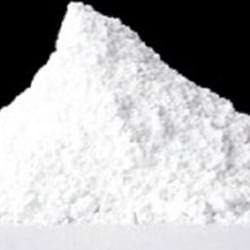
Titanium Dioxide
Found this useful?